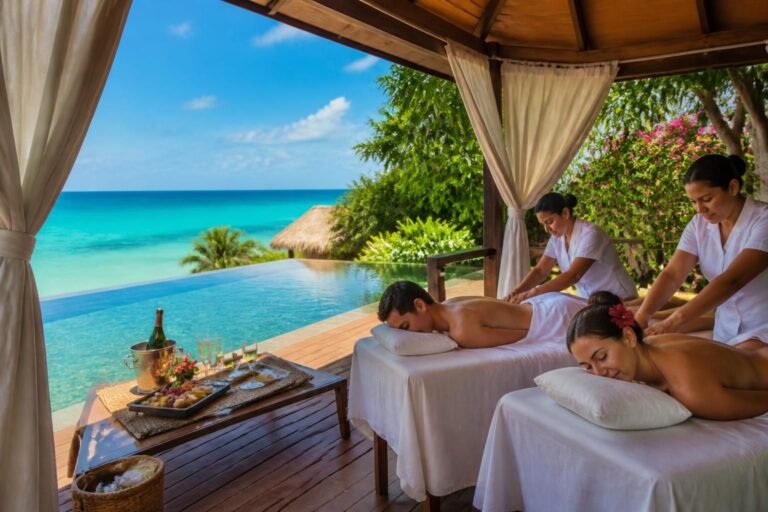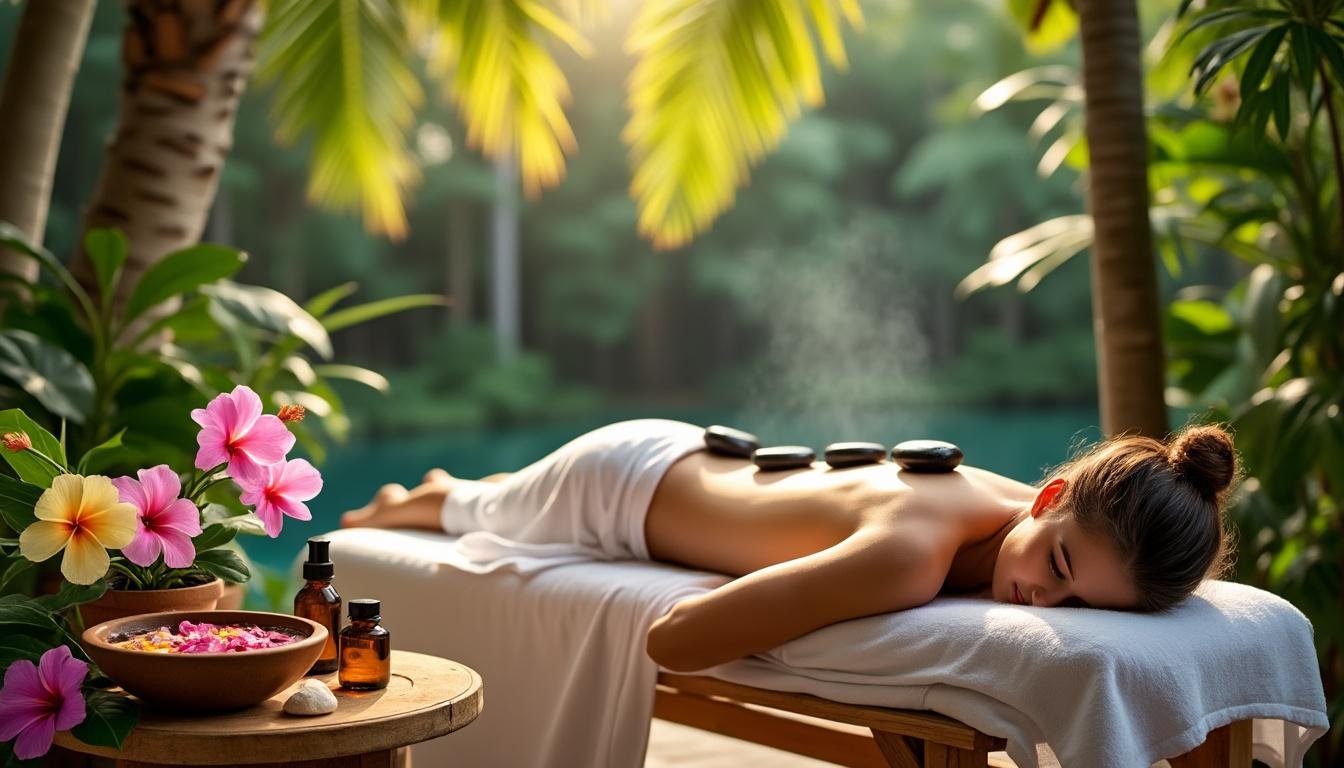

In the heart of the Riviera Maya, where the tropical breeze mingles with the sound of the waves, an ancient healing tradition has found new life. Hot stone therapy, a practice that harnesses the thermal power of heated stones to evoke deep relaxation and wellness, is transforming how visitors and locals alike experience natural healing. This unique blend of time-honored techniques and tropical ambiance offers more than muscle relief—it provides a gateway to rejuvenation of the body, mind, and spirit.
Rooted in diverse cultures across the globe, hot stone stone massage has evolved into a sophisticated form of colonial and indigenous healing, enriched by the tropical setting of the Riviera Maya. The sensation of warm basalt stones resting on your back, combined with the sound of the Caribbean Sea nearby, creates an unmatched cycle of relaxation and renewal. Today, more than ever, travelers seek therapies that connect them with nature while delivering profound comfort, all of which hot stone therapy embodies beautifully.
Ancient Origins and the Evolution of Hot Stone Healing Therapy
Hot stone massage is far from a modern invention. Its power comes from millennia of tradition, having been practiced by ancient cultures including the Native Americans, the Chinese, and Indian Ayurvedic healers. In these societies, heated stones were more than physical tools—they were conduits of natural energy believed to restore balance and promote healing. For instance, Native American tribes utilized heated stones in sweat lodge ceremonies to cleanse the spirit and body, linking warmth with purification and renewal.
The practice of placing smooth stones — often basalt, chosen for its heat retention qualities — on key points of the body, was replicated in Chinese medicine with the aim of enhancing Qi, or vital energy flow. This thermal therapy complemented acupuncture and massage, focusing on internal organ health and improving circulation. In India, Ayurveda integrated hot stones with herbal oils during Panchakarma cleanses to stimulate detoxification and vigor.
With the passage of time, these traditions merged and evolved. The development of LaStone Therapy in the early 1990s in America introduced a systematic approach combining heated and cooled stones with modern massage techniques. This catalyzed the rebirth of hot stone healing therapy as a globally cherished method.
Hot stone therapy’s journey from sacred traditions to contemporary spa experiences underscores its versatility and timeless appeal. In the tropical sanctuary of the Riviera Maya, these ancient methods are revitalized every day, tailored to modern wellness needs while honoring their profound origins. For those who seek an authentic connection to history and nature’s healing forces, hot stone therapy represents a captivating path.
Harnessing the Tropical Environment: How Hot Stone Therapy is Uniquely Adapted in the Riviera Maya
The Riviera Maya’s climate and natural resources significantly enhance the benefits of hot stone therapy, setting it apart from similar treatments worldwide. The tropical environment intensifies the sense of relaxation and healing during therapy sessions, invigorated by the warm ocean air, lush greenery, and natural sounds surrounding every spa.
Therapists in the region often incorporate elements native to the locale, such as essential oils extracted from local flowers and herbs, creating a multisensory journey that complements the stone massage. For example, the use of Yucatecan cinnamon or local lavender oils in conjunction with heated basalt stones deepens relaxation by stimulating multiple senses simultaneously.
The heat from stones penetrates muscles effectively in this warm climate, promoting circulation and thermal healing that feels naturally harmonious. Unlike colder regions where body temperature management during therapy can be challenging, the tropical warmth enhances the comfort and efficacy of the treatment.
Moreover, many Riviera Maya spas combine hot stone therapy with water-based treatments reflecting traditional Mayan bathing rituals, such as mineral-rich thermal baths or cenote dips, amplifying the restorative qualities of thermal therapy. This holistic approach connects the body’s warmth from stones with external water therapy, offering a unique integration of elements that respect both ancient healing arts and the tropical environment’s gifts.
By embracing the natural healing power of the region, therapists offer clients more than physical relief—they present an immersive wellness experience intimately connected to place, culture, and nature. This tropical twist on ancient therapy creates a distinct wellness niche that cannot be replicated anywhere else in the world, drawing visitors eager to explore healing in its most authentic and elemental form.
Techniques, Tools, and Practices: The Craft of Modern Hot Stone Stone Massage
Modern hot stone massage in the Riviera Maya blends the wisdom of ancient methods with contemporary massage techniques and rigorous safety standards to provide a transformative experience. Central to this therapy is the use of basalt stones—volcanic rocks that retain heat for extended periods, allowing steady thermal application deeply into muscle tissues.
The basalt stones are carefully heated in water baths to a controlled temperature range, usually between 120°F and 150°F (49°C to 65°C). This consistent warmth relaxes muscles, opens blood vessels, and facilitates the release of tension with minimal discomfort or risk.
Therapists position these hot stones strategically along the spine, shoulders, palms, feet, and other targeted areas based on individual client needs. The stones may remain stationary to deliver passive heat or be actively used to stroke and knead tense muscles, merging the benefits of heat and manual therapy. Skilled practitioners also occasionally employ cool stones, like marble or jade, creating a therapeutic contrast that enhances circulation and calms inflammation.
Crucially, therapists incorporate techniques such as slow strokes, circular movements, and focused pressure to reach deep fascial layers, breaking down adhesions and promoting natural healing. The integration of essential oils with tropical aromas further elevates the session, offering both physical and emotional relaxation. Oils such as peppermint enliven the senses, while lavender supports mental calmness and soothing.
These procedures are customized considering each client’s health status and preferences, and therapists actively monitor skin temperature and comfort to avoid burns or discomfort. Such care ensures the therapy is not only effective but also safe and enjoyable.
For anyone eager to explore this blend of tradition and modernity in stone therapy, the Riviera Maya’s spa scene provides some of the most skilled and respectful practitioners available, guaranteeing an experience that honors the roots of the therapy while delivering exceptional contemporary wellness benefits.
Health Benefits: The Science and Sensory Power Behind Hot Stone Thermal Therapy
Hot stone therapy delivers a remarkable range of benefits that extend far beyond simple muscle relaxation. This tropical therapy encourages profound mental and physical well-being, making it an indispensable wellness modality today.
Deep muscle relaxation: The steady heat from basalt stones penetrates muscular layers, softening tissue and alleviating chronic tension, stiffness, and spasms. This effect surpasses many conventional massages, with studies showing nearly 70% of participants experiencing significant reductions in muscle tightness.
Enhanced blood circulation: The warmth causes vasodilation, increasing blood flow by up to 30%, as confirmed by research in complementary medicine. This boost improves oxygen and nutrient delivery, accelerating healing and reducing inflammation.
Pain alleviation: For people suffering from conditions like arthritis or fibromyalgia, regular hot stone sessions reduce pain intensity and improve joint mobility. The thermal therapy soothes synovial fluids and relaxes neural pathways sensitive to chronic pain.
Stress and anxiety reduction: The combined effect of heat, rhythmic massage, and tranquil tropical environments triggers the parasympathetic nervous system. This response lowers cortisol levels by 25%-50%, helping users reach deep mental calmness and emotional release uncommon in everyday life.
Improved sleep quality: Many clients in the Riviera Maya report restful, uninterrupted sleep following hot stone treatments, which is linked to the overall relaxation and hormonal balance achieved during therapy.
Increased flexibility and range of motion: Warmth loosens connective tissues, facilitating greater flexibility and reducing injury risk, particularly beneficial for athletes and active individuals.
| Health Benefit | Description | Scientific Support |
|---|---|---|
| Muscle Relaxation | Heat penetrates deeply to release tension | 70% of clients report muscle stiffness relief |
| Improved Circulation | Vasodilation enhances blood flow | 30% increase demonstrated in studies |
| Pain Relief | Reduces spasms and soothes chronic pain | Helps 80% of fibromyalgia sufferers |
| Stress Reduction | Calms nervous system, lowers cortisol | 50% reduction in anxiety levels |
| Sleep Improvement | Enhances sleep quality and duration | 40% better sleep patterns reported |
| Flexibility | Warms connective tissue for greater mobility | Beneficial for athletes and active adults |
Beyond physical effects, the holistic nature of stone therapy brings emotional healing as well. Many clients remark on the sensation of being grounded and centered after sessions, a testimony to the therapy’s power in integrating mind and body. This synergy is why stress relief and relaxation here is often described as transformative.
Considering Safety and Access: Who Should Embrace Hot Stone Massage in the Tropics?
While hot stone therapy is widely celebrated for its benefits, safety considerations are essential to ensure the most positive experience. Individuals with certain medical conditions, such as severe cardiovascular issues, diabetes with nerve complications, or pregnancy during the first trimester, should consult healthcare providers before engaging in thermal therapy.
Another critical safety element involves controlling the heat of the stones. Professionals in the Riviera Maya adhere to strict temperature regulations, keeping stones between 40°C and 55°C (104°F and 131°F) to prevent burns while maximizing therapeutic effect.
Therapists also tailor sessions to each client’s sensitivity and feedback, adjusting stone placement and session duration as needed. In tropical climates, particular attention is given to hydration and cooling between treatments to avoid overheating.
Importantly, not all stones offer the same qualities. Basalt remains the preferred choice for heat retention and smooth texture, but marble and jade are used strategically for cool stone applications that complement the hot stone massage regimen. Clients are encouraged to verify hygiene standards, especially since stone therapy involves direct contact with skin and heat.
The accessibility of hot stone therapy has grown remarkably in the region. Many resorts and wellness centers in the Riviera Maya now include this tropical twist on ancient therapy as a core offering, with specialized practitioners trained through reputable courses that honor both tradition and modern health science.
Simple at-home applications are possible but limited. Customers should avoid attempting intense pressure or face treatments without professional supervision to prevent injury. Instead, routine home use of warmed stones on less sensitive areas can maintain relaxation between professional sessions, enriching a holistic wellness regimen.
For those looking to explore this natural healing path, resources such as expert guides on stone therapy in the Riviera Maya provide valuable insights into finding reputable therapists and maximizing benefits.
Is hot stone therapy safe for pregnant women?
Pregnant women, especially in the first trimester, should consult their healthcare providers before undergoing hot stone therapy. The heat may pose risks depending on individual conditions, so professional guidance is important.
How often should one receive hot stone therapy for chronic tension?
A common recommendation is weekly sessions for 4 to 6 weeks to address chronic muscle stiffness and pain, followed by monthly maintenance treatments to sustain the benefits.
Can hot stone therapy help improve sleep?
Yes, many clients report improved sleep quality after hot stone sessions due to reduced stress and muscle relaxation. Scientific studies indicate up to a 40% enhancement in sleep patterns with regular therapy.
What types of stones are best for hot stone massage?
Basalt stones are preferred for their heat retention and smoothness. Marble and jade stones are often used cooled for their calming properties. Always ensure stones are properly cleaned and sanitized before use.
Does hot stone massage reduce anxiety?
Indeed, hot stone therapy activates the parasympathetic nervous system through heat and rhythmic touch, leading to significant reductions in anxiety symptoms as shown in recent complementary medicine research.