Discovering the balance between being a night owl or an early riser goes beyond mere preference—it taps into fundamental aspects of our wellness and health routines. Modern science reveals that our body’s internal clock, or circadian rhythm, orchestrates more than just sleep patterns. It influences our productivity, mood, and overall health. Whether you are energized by the quiet early hours before dawn or find your creativity blooming under the moonlight, tailoring your health routine to your natural rhythm can amplify your well-being. Embracing your individual chronotype unlocks a spectrum of self-care strategies that harmonize with your lifestyle, ultimately boosting your mental clarity, energy levels, and emotional resilience. This exploration sheds light on how to identify your unique chronotype, understand its implications on your daily habits, and strategically craft your wellness routine for lasting success.
- Chronotypes determine the optimal timing for sleep, productivity, and self-care activities.
- Understanding your body’s natural circadian rhythm is essential for crafting an effective health routine.
- Night owls face unique challenges such as increased risks for certain health conditions, but adapting routines can mitigate these effects.
- Early risers benefit from alignment with societal norms, often linked to healthier daytime habits and greater productivity.
- Customizing exercise, socialization, and work schedules to peak energy times enhances both performance and mood.
- Quality sleep and strategic light exposure are critical for all chronotypes to optimize wellness.
Understanding Chronotypes: Unlocking Your Body’s Unique Wellness Blueprint
Chronotypes reflect our innate predisposition towards specific sleep and wake cycles, embedded deeply within our circadian rhythms. This internal clock governs myriad physiological functions, encompassing hormone release, digestion, and cognitive performance. Recognizing your chronotype is foundational for constructing a health routine that aligns with your body’s natural ebb and flow, rather than battling it. Clinical psychologist Dr. Michael Breus categorizes chronotypes into four distinct animal archetypes: Bear, Wolf, Lion, and Dolphin. These characterizations mirror how people’s energy surges and declines throughout the day, highlighting the intricate ways our biology interacts with external demands.
For instance, Bears—who comprise nearly 40% of the population—sync their wake and sleep times closely with daylight hours. They often experience peak productivity mid-morning to early evening, thriving in typical workday schedules. Conversely, Wolves, representing about 30%, are authentic night owls, frequently struggling to rise before noon and excelling in creative and mental tasks during late evenings. Lions, making up approximately 15%, are early risers thriving at dawn, while Dolphins (also 15%) often combat insomnia and sensitivity to environmental disruptions, experiencing fluctuating energy peaks.
In 2026, with ever-increasing work-from-home flexibility and digital connectivity, understanding your chronotype is no longer just about sleep—it’s about optimizing wellness across all life domains. For example, night owls now have more opportunities to engage in personalized evening wellness activities without social or professional constraints. Meanwhile, early risers continue to benefit from structured morning habits, embracing enhanced focus and self-discipline.
Identifying your unique chronotype can involve tracking when you feel most alert and when fatigue naturally sets in. Using sleep journals, wearable trackers, or mobile apps, individuals obtain precise insights into their sleep patterns. These data help tailor health routines around periods of peak concentration, creativity, and physical performance. This personalized approach to wellness supports not only improved productivity during active hours but also deeper, more restorative sleep during rest hours.
Health Implications of Night Owls and Early Risers: Navigating Wellness Challenges
Transitioning beyond preferences, the health implications for night owls versus early risers represent a crucial consideration in developing an effective health routine. Night owls historically face greater risks for a range of chronic conditions, including type 2 diabetes, obesity, and sleep apnea, often linked to sleep deprivation and misaligned schedules. They may also experience elevated rates of anxiety and depression, according to studies that have tracked mental health trajectories across thousands of individuals.
The reason is that social and professional obligations tend to favor early rising schedules, forcing night owls to prematurely curtail their sleep, culminating in what is termed “social jetlag.” This constant battle against their biological clock can create chronic stress, undermining the quality of their sleep and overall wellness. Night owls’ later melatonin release and complicated sleep onset can make early awakening a stressful ordeal.
Conversely, early risers gain advantages due to their natural alignment with societal rhythms. They often adopt healthier eating habits, incorporate regular exercise into morning routines, and experience fewer metabolic disorders. Their circadian rhythm synchronization facilitates more effective hormone regulation, such as cortisol and insulin, fostering balanced energy throughout the day.
Despite these tendencies, it’s important to emphasize that quality and consistency of sleep remain paramount, regardless of whether one identifies as a night owl or early bird. Chronic insufficient or fragmented sleep detrimentally affects immune response, mental health, and cardiovascular wellness. Hence, establishing a consistent sleep schedule that respects your chronotype can mitigate health risks and amplify vitality.
For those who struggle with their natural rhythms due to work or family obligations, strategic adjustments like morning light therapy for night owls or reduced evening blue light exposure for early risers can promote gradual realignment. Furthermore, consulting health professionals who specialize in circadian rhythms and sleep medicine can optimize personalized wellness plans, ensuring a balanced mental and physical state.
Creating a Tailored Health Routine: Daily Practices for Early Risers
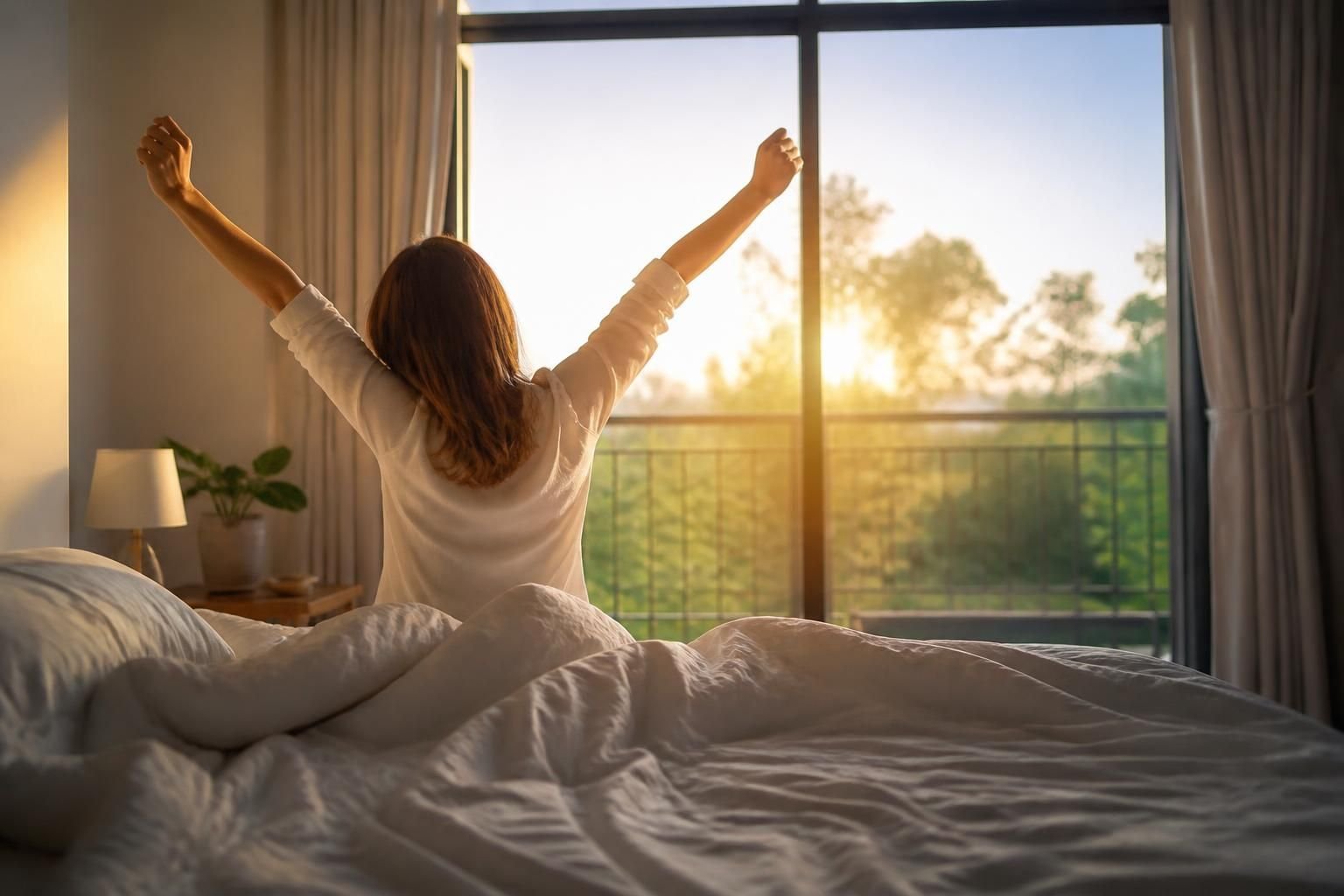
Early risers possess a natural advantage when it comes to structuring daily habits that enhance wellness. Their inclination towards waking early enables them to capitalize on morning sunlight, which plays a pivotal role in regulating the circadian rhythm through melatonin suppression and serotonin activation. This natural hormone cycling boosts mood and primes the body for an active day.
A well-crafted morning routine might include light stretching or yoga under natural sunlight, mindful journaling, followed by a nutrient-dense breakfast. Integrating physical activity in the morning hours optimizes both metabolic function and mental clarity. Evidence shows that exercising early can enhance mood-regulating endorphins and improve insulin sensitivity throughout the day.
Moreover, early risers can schedule demanding cognitive tasks during their peak productivity window, typically between 6 a.m. and noon. Allocating time for creative or complex problem-solving during these hours maximizes output. This aligns with findings that early risers often have more sustainable energy trajectories, enabling uninterrupted focus without frequent breaks.
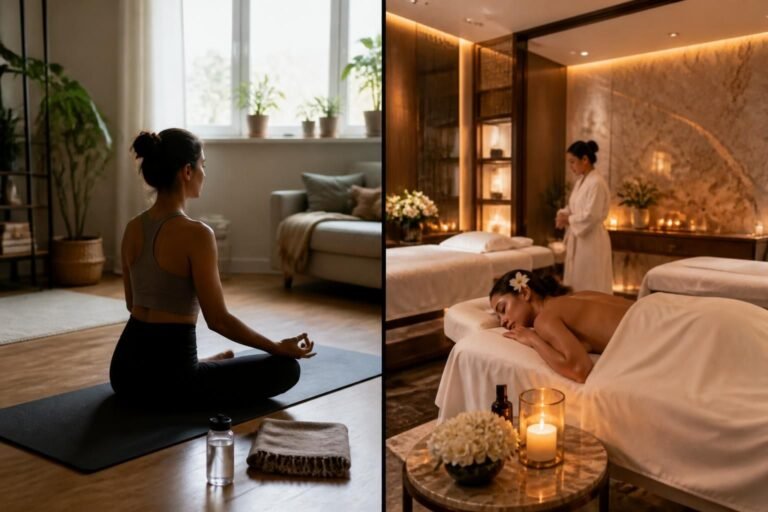
Self care rituals such as spa massages in the Riviera Maya can be strategically booked in the late morning or early afternoon to complement the natural energy cycle of early risers. These moments of relaxation support recovery, reduce stress hormones, and further elevate wellness. The integration of exclusive self-care experiences within the daily health routine ensures a holistic balance of body and mind.
Lastly, winding down at a reasonable hour, ideally before 10 p.m., primes the body for restorative sleep. Avoiding late-night screen exposure and engaging in calming activities such as reading or gentle meditation sets the stage for quality rest, ensuring the early riser awakens refreshed and ready to maintain their wellness cycle.
Morning Habits That Boost Productivity and Wellness
- Wake up with natural light or use a dawn simulator to ease into the day.
- Engage in 20-30 minutes of moderate intensity exercise to stimulate energy.
- Practice mindfulness meditation or journaling to center thoughts and emotions.
- Eat a balanced breakfast rich in protein and healthy fats for sustained energy.
- Plan the day’s tasks by prioritizing challenging work during peak hours.
Wellness Strategies Tailored for Night Owls: Maximizing Health in the Evening Hours
Night owls often face the challenge of operating in a world programmed for morning activity, yet they wield unique strengths tied to their evening habits. Harnessing these advantages demands a health routine designed around their peak alertness in late afternoon and nighttime hours. For example, scheduling workouts in the early evening aligns with elevated body temperature and muscle function, enhancing performance and recovery. These principles resonate especially for travelers or digital nomads in the Riviera Maya who can adjust their schedules to travel and work flexibility.
Improving sleep hygiene is crucial for night owls, given the tendency for delayed melatonin release. Morning light exposure immediately upon waking reinforces circadian signals and helps advance sleep onset. Limiting ambient light and electronic device use in the evening encourages natural melatonin production. Incorporating relaxation techniques such as spa massages or gentle stretching before bedtime can calm the nervous system, tackling insomnia symptoms prevalent among the Dolphin chronotype.
Social connections also play a key role in reinforcing healthy sleep-wake cycles for night owls. Planning late afternoon or evening gatherings fits their natural energy timeline and sustains emotional wellness. Balancing social activity with sufficient downtime prevents burnout and supports mental health, which is essential for longevity.
Additionally, nutrition tailored for night owls emphasizes avoiding heavy meals late at night to mitigate digestive discomfort that could disrupt sleep quality. Instead, light snacks rich in magnesium or tryptophan encourage relaxation. Engaging in self care rituals within the evening, such as a soothing massage in the Riviera Maya’s serene settings, can transform nighttime routines into restorative wellness experiences.
Evening Habits That Support Night Owl Wellness
- Expose yourself to bright light in the morning to signal alertness.
- Schedule exercising between late afternoon and early evening for peak performance.
- Practice relaxation techniques before bed, such as breathing exercises or massages.
- Limit caffeine and avoid heavy meals close to bedtime.
- Create a sleep-friendly environment: dark, quiet, and cool.
Embracing Flexibility: Balancing Work and Social Life Around Chronotypes
In 2026, flexible work environments and personalized wellness strategies are redefining how night owls and early risers integrate their health routines with daily responsibilities. Recognizing and respecting your chronotype opens opportunities for tailored scheduling that enhances productivity and reduces stress. For example, remote workers can set meetings during peak mental alertness periods, whether early morning for lions or late evening for wolves, optimizing workflow and collaboration.
Social well-being, a critical facet of wellness, can be aligned with chronotype with thoughtful planning. Engaging in social activities during your optimal energy periods enhances connection and mood while fostering restorative sleep. For instance, an early riser might find a morning yoga session with friends refreshing, while a night owl could enjoy late-night cultural events without compromising wellness.
For travelers navigating wellness on the move, such as athletes or digital nomads who often face jet lag and disrupted routines, understanding chronotypes helps in adapting to new time zones and environments smoothly. Customized wellness plans that integrate massage therapy, nutritious diets, and circadian rhythm-aware rest are essential. Many find benefits in targeted wellness packages, like those designed for influencers or retirees in the Riviera Maya, which acknowledge chronobiology as part of holistic self-care.
Incorporating curated wellness approaches from expert guides, including insights into wellness strategies for athletes training in Mexico or tips for travelers during menopause, reinforces the importance of an adaptive routine sensitive to biological rhythms. Ultimately, the more one aligns daily life with internal timing, the more sustainable and fulfilling wellness becomes.
| Chronotype | Peak Productivity | Recommended Activities | Potential Wellness Risks |
|---|---|---|---|
| Bear | 11 am – 6 pm | Daytime work, moderate exercise, socializing in afternoon | Low, generally aligns with societal norms |
| Wolf | 8 pm – Midnight | Evening creative work, late workouts, evening social gatherings | Anxiety, depression, metabolic disorders |
| Lion | Dawn to Noon | Early morning exercise, cognitive tasks, disciplined routines | Minimal, but vulnerability to insomnia if schedule disrupted |
| Dolphin | 10 am – 2 pm | Short focused tasks, napping, relaxation techniques | Insomnia, sensitivity to environmental stress |
How can I determine if I am a night owl or an early riser?
Track your energy levels and sleepiness patterns over a couple of weeks. Consistently noting when you feel most alert or tired can help identify your chronotype. Wearable devices and apps designed to monitor sleep cycles offer precise data as well.
What are the best self care practices for night owls to improve sleep quality?
Night owls benefit from morning light exposure, avoiding screens before bedtime, gentle evening relaxation like massages, and maintaining consistent sleep schedules to reinforce circadian rhythms.
Can early risers shift their schedule if needed?
Yes, through gradual adjustments in sleep time and morning routines, early risers can adapt their schedules. Consistency, light exposure management, and mindfulness practices aid in smoothly shifting chronotypes.
How does understanding my chronotype improve productivity?
Aligning tasks and activities with your body’s peak energy periods fosters better focus, creativity, and efficiency, allowing for optimized workflow and reduced burnout.
Where can I learn more about wellness tailored to specific traveler needs?
Explore expert resources like wellness for vegan travelers or wellness for retirees in Riviera Maya to find targeted health advice and self-care tips.