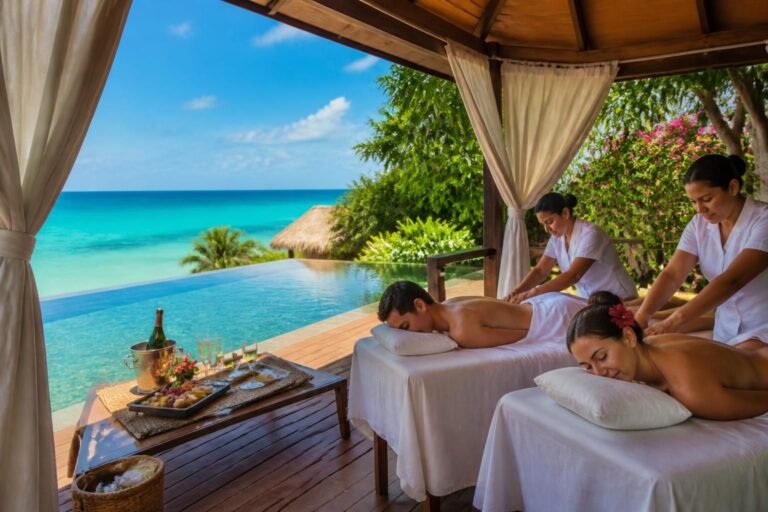

Experiencing the harsh sting of sunburn is an all-too-common aftermath of enjoying the radiant Riviera Maya sun. When your skin turns red and tender from excessive UV exposure, the journey to recovery begins with more than just lotions—you need a holistic approach centered around soothing massage therapies that enhance skin recovery and provide profound relaxation. With an expert understanding of how cooling therapy and natural oils interact with inflamed tissues, these specialized massages do much more than ease discomfort; they actively assist in cellular repair and foster rejuvenation. Immersed in the coastal luxury that Riviera Maya offers, these healing touches unlock a new level of after-sun care.
Sun-exposed skin demands delicate attention, and massage therapists trained in handling sunburn provide precise techniques to hydrate, soothe, and mend damaged cells. Incorporating anti-inflammatory preparations and careful pressure adjustments, these treatments deliver targeted benefits that reduce swelling and restore moisture balance. This article explores the best soothing massages tailored for sunburn recovery, the science behind their efficacy, and how you can maximize your skin’s healing potential while enjoying the sensory journey of a professional touch.
How Sunburn Affects the Skin and the Role of Massage in Healing
Sunburn is a form of radiation burn caused primarily by ultraviolet rays that penetrate skin tissues, triggering inflammation and cell damage. The visible redness and pain occur because blood vessels dilate in response to this injury, while the affected skin cells begin a complex, natural healing process. Although the body’s repair system is effective, sunburn disrupts the skin’s moisture barrier, causing dryness, peeling, and sensitivity. In this context, massage therapy serves as an invaluable aid to accelerate symptoms relief and promote regeneration.
The application of gentle massage techniques post-sun exposure enhances skin circulation, crucial for delivering oxygen and nutrients to the damaged cells. Increased blood flow helps eliminate toxins and inflammatory agents, reducing the likelihood of prolonged redness and discomfort. Moreover, massages stimulate the lymphatic system, aiding fluid drainage around the sunburned areas, which can alleviate swelling and tenderness.
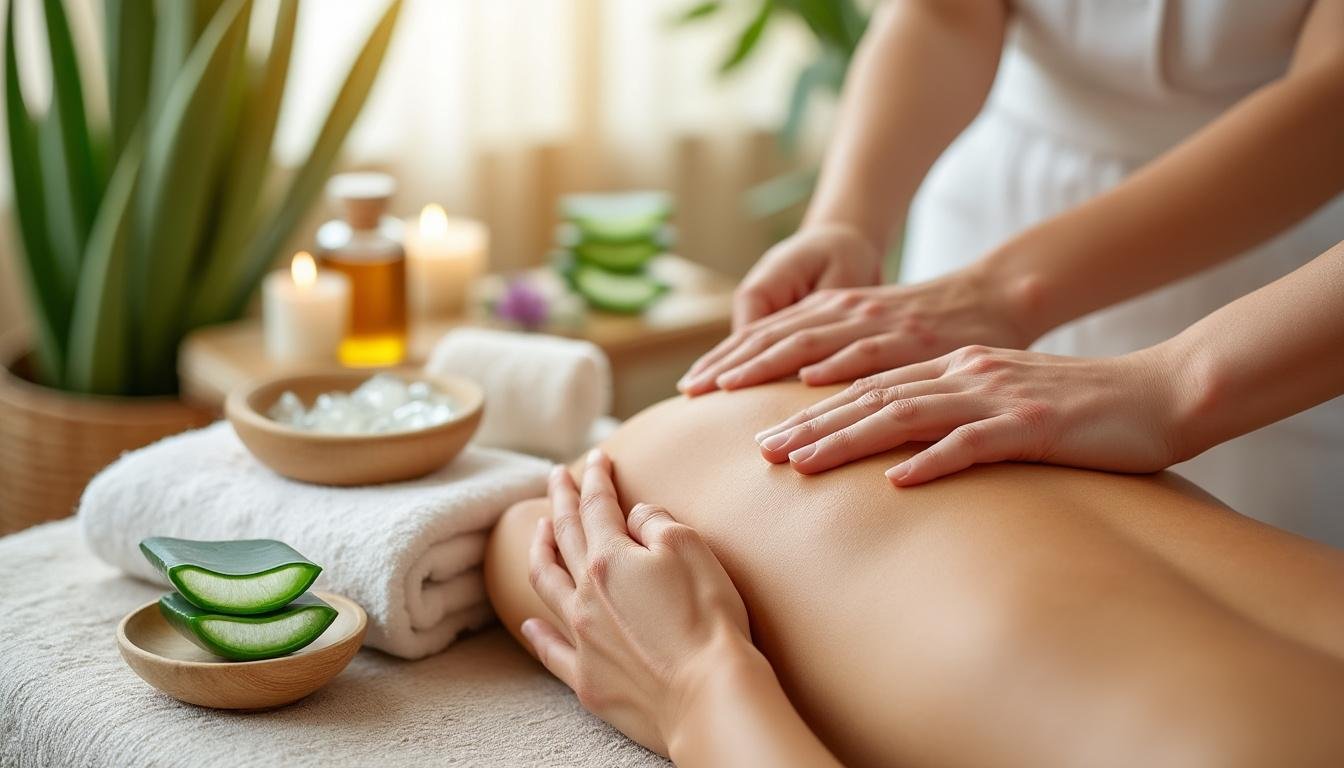
Specifically, cooling therapy integrated within massage sessions, such as the use of chilled aloe vera gels or cucumber-infused oils, plays a critical role in calming heated, irritated skin. This not only reduces pain but also creates a soothing environment that helps reset the skin’s temperature and minimize inflammation. Skilled therapists often combine the healing touch with natural oils known for their anti-inflammatory properties, such as jojoba, chamomile, and calendula, which penetrate deeply to moisturize and repair.
For example, imagine a swimmer in Riviera Maya who, after a day of snorkeling, notices the onset of sunburn. Visiting a local spa for a restorative after-sun massage featuring a blend of cooling oils and soft rhythmic strokes, the swimmer experiences immediate relief from the heat and tightness. Over a few sessions, the redness diminishes more rapidly than with topical treatments alone, illustrating the synergy between hands-on healing and natural remedies.
In summary, massage therapy is not only about comfort—it actively engages the body’s innate repair systems in sunburn recovery, accelerating tissue healing and fortifying skin resilience for future sun exposures.
Top After-Sun Massage Techniques for Sunburn Relief and Skin Recovery
Choosing the right massage technique is essential to cater to the specific needs of sunburned skin. Unlike conventional deep-tissue massages aimed at muscle manipulation, after-sun massages prioritize tenderness, hydration, and controlled touch to avoid aggravating the damaged epidermis.
1. Cooling Touch Massage: This technique employs cold compresses and slow, feather-light strokes combined with cooling gels. The therapist uses gliding motions with chilled aloe or cucumber extracts, which lower local temperature and suppress inflammatory signals. This method lends itself well to acute sunburn, swiftly alleviating burning sensations and preventing skin dryness.
2. Hydration Ritual Massage: Rich in natural oils like coconut, rosehip, and argan, this massage focuses on replenishing lost moisture. Gentle kneading motions are used along with the application of moisturizing agents containing hyaluronic acid or ceramides. This treatment deeply nourishes the skin layers, restoring suppleness and minimizing peeling.
3. Lymphatic Drainage Massage: Often underestimated, this specialized technique facilitates detoxification and reduces swelling caused by sunburn. Light pressure strokes follow lymphatic pathways, moving excess fluids away from inflamed areas. Besides calming the skin, lymphatic drainage supports immune function crucial for fast skin cell regeneration.
4. Aromatherapy-Infused Soothing Massage: Incorporating essential oils like lavender and chamomile, this massage combines relaxation with healing. The essential oils not only provide a fragrant atmosphere conducive to stress relief but also offer anti-inflammatory and skin-calming effects when absorbed through the skin.
Choosing a combination of these methods tailored by a professional brings the best results. Anecdotal reports from spa clients in Riviera Maya highlight the efficiency of alternating cooling and hydration-focused sessions over consecutive days to optimize comfort and enhance skin restoration.
| Massage Technique | Main Benefits | Best Suited For | Key Ingredients/Tools |
|---|---|---|---|
| Cooling Touch Massage | Reduces heat and inflammation | Fresh sunburn (within 24 hours) | Aloe vera gel, cucumber extract |
| Hydration Ritual Massage | Replenishes moisture, smooths peeling | Dry, flaky skin post-burn | Coconut oil, hyaluronic acid lotions |
| Lymphatic Drainage Massage | Reduces swelling, promotes detox | Moderate to severe sunburn | Light touch, no heavy creams |
| Aromatherapy-Infused Soothing Massage | Calms skin and mind | Sensitive and irritated skin | Lavender, chamomile oils |
Combining these modalities thoughtfully not only addresses the immediate symptoms of sunburn but also sets the foundation for healthier skin long-term. The key is to start with gentle cooling techniques immediately after the burn and then transition toward rich hydration and relaxation-focused therapies as the skin recovers.
The Power of Hydration and Natural Oils in Massage for Sunburned Skin
Hydration is paramount in after-sun skin recovery as sunburn strips away the skin’s natural moisture barrier, leaving it dry and prone to peeling. Massage therapists in the Riviera Maya emphasize the use of natural oils like avocado, jojoba, and marula oil because they mirror the skin’s own lipids, allowing for deep penetration and improved restoration without clogging pores.
Beyond hydration, many natural oils possess intrinsic anti-inflammatory compounds that calm redness and soothe discomfort. For instance, calendula oil is renowned for its ability to dramatically reduce inflammation and promote cellular regeneration. In therapeutic massage, such oils are gently applied in measured amounts to avoid overwhelming the delicate sunburned area.
Additionally, the process of massage itself encourages moisture absorption by stimulating capillaries and enhancing the metabolic activity in the skin tissues. The light yet firm pressure used during massage encourages the oils to permeate deeper, supporting long-lasting hydration and repair. This technique differs from merely slathering lotion, as the hands tactfully work to reawaken and nourish dehydrated skin layers.
An example from a well-known Riviera Maya spa highlights a post-sun treatment where customers apply a coconut and aloe blend before and during massage. Clients report sustained relief from dryness and accelerated skin softening compared to non-massage topical care. This approach exemplifies how the healing touch synergizes with hydration to speed recovery.
Here’s a list of natural oils frequently used for sunburn massage treatments and their benefits:
- Jojoba Oil: Closely replicates skin sebum, excellent for balancing hydration.
- Calendula Oil: Potent anti-inflammatory, promotes healing.
- Avocado Oil: Rich in fatty acids and vitamins, deeply nourishing.
- Chamomile Oil: Soothes irritation and redness.
- Copra (Coconut) Oil: Locks moisture and cools skin effectively.
Caution and Optimal Practices: What to Avoid and What to Embrace in After-Sun Massage Care
While after-sun massages offer significant benefits, certain precautions should be observed to avoid exacerbating sunburn damage. Avoiding heat, friction, and irritating products during early recovery stages is essential to protect fragile skin.
Avoid hot showers or baths, as high temperatures can strip moisture and increase inflammation. Instead, opt for gentle, cool water rinses before treatments. Refrain from deep tissue or vigorous massages in the burned areas since intense pressure might worsen discomfort and disrupt healing. Stick to soft, gentle strokes that respect the skin’s sensitivity.
Steer clear of oil-based heavy creams or products containing alcohol. These can trap heat or dry the skin further, both undesirable outcomes when your goal is to calm and repair. Choose lightweight, water-based gels and anti-inflammatory lotions specially formulated for sunburn.
Limit further sun exposure until skin is fully healed; ongoing UV radiation prolongs inflammation and increases the risk of long-term damage. If you must go outdoors, ensure protective clothing and broad-spectrum sunscreen are applied. Also, avoid exfoliating scrubs and harsh soaps that strip delicate skin.
Best practices for after-sun massage care include enhanced hydration both topically and via adequate water intake. Hydrated skin responds better to massage, reducing the perception of pain and preventing excess peeling. Therapists recommend scheduling massages every 24 to 48 hours in the acute phase, shifting to once weekly as healing progresses to maintain skin health and elasticity.
By respecting these guidelines, you can transform your after-sun experience into a nurturing ritual that supports rapid recovery and lasting comfort.
Integrating After-Sun Massage Into a Holistic Sunburn Care Routine
Beyond lounges and spa rooms, integrating after-sun massages within a broader routine amplifies their benefits. Hydration, cooling therapies, and protective measures should all coincide with tailored massage treatments for the best possible outcomes.
Daily skincare post-sunburn must include gentle cleansing, rehydrating lotions, and sun protection even after skin feels better. Incorporating massage triggers the lymphatic flow and muscle relaxation that underpin not only skin recovery but overall well-being. This holistic approach echoes the Riviera Maya lifestyle—balance, vitality, and harmony with nature.
Consider the following after-sun recovery regimen to complement your massage sessions:
- Immediate local cooling: Apply cold compresses or aloe vera gel right after sun exposure.
- Hydrate internally: Drink plenty of water and eat antioxidant-rich foods to support skin regeneration.
- Protect your skin: Wear loose, breathable clothing and avoid further sun exposure.
- Schedule soothing massages: Start with a cooling touch massage, progressing to hydration-focused sessions.
- Use natural, gentle skincare: Apply moisturizing, anti-inflammatory creams containing ceramides or hyaluronic acid.
This balanced routine not only facilitates visible healing but leaves skin less prone to future damage. Incorporating professional massages with the right products, protective measures, and lifestyle adaptations embodies an elevated model of after-sun care uniquely achievable in places like the Riviera Maya.
Can massage help reduce the pain caused by sunburn?
Yes, gentle massages that incorporate cooling gels and anti-inflammatory oils can help soothe sunburned skin, reducing pain and promoting faster healing by improving circulation and reducing inflammation.
When is the best time to get a massage after getting sunburned?
It is best to wait until the acute heat has subsided, typically 24 to 48 hours post-sunburn, before receiving a soothing, gentle massage. Immediate cooling treatments right after sun exposure are recommended before starting massage sessions.
What natural oils are safest and most effective for sunburned skin massages?
Oils like jojoba, calendula, avocado, chamomile, and coconut are safe and effective due to their moisturizing and anti-inflammatory properties. These oils nourish and calm sunburned skin without causing irritation.
Are there any types of massages to avoid when sunburned?
Deep tissue or vigorous massages should be avoided as they can aggravate the already inflamed and delicate skin. Only gentle, light touch massages that focus on soothing and hydrating the skin are recommended.
How often should I have after-sun massages during my skin recovery?
During the initial phase of recovery, every 24 to 48 hours is ideal, progressing to once a week as the skin heals to maintain hydration and skin elasticity.