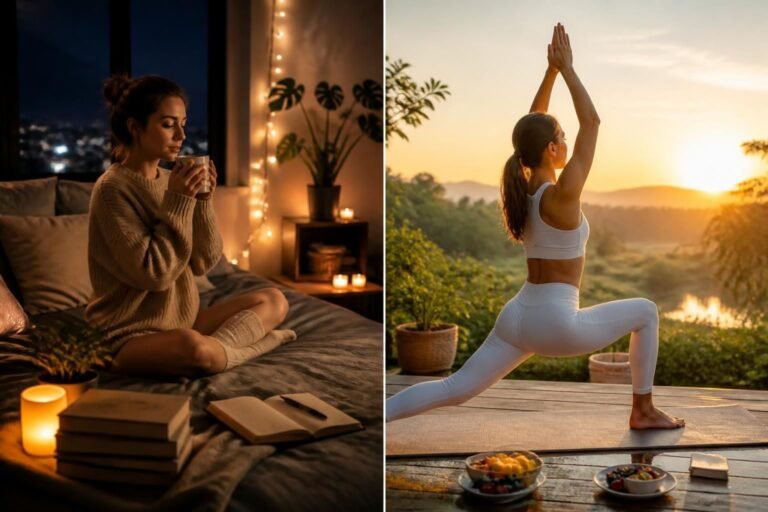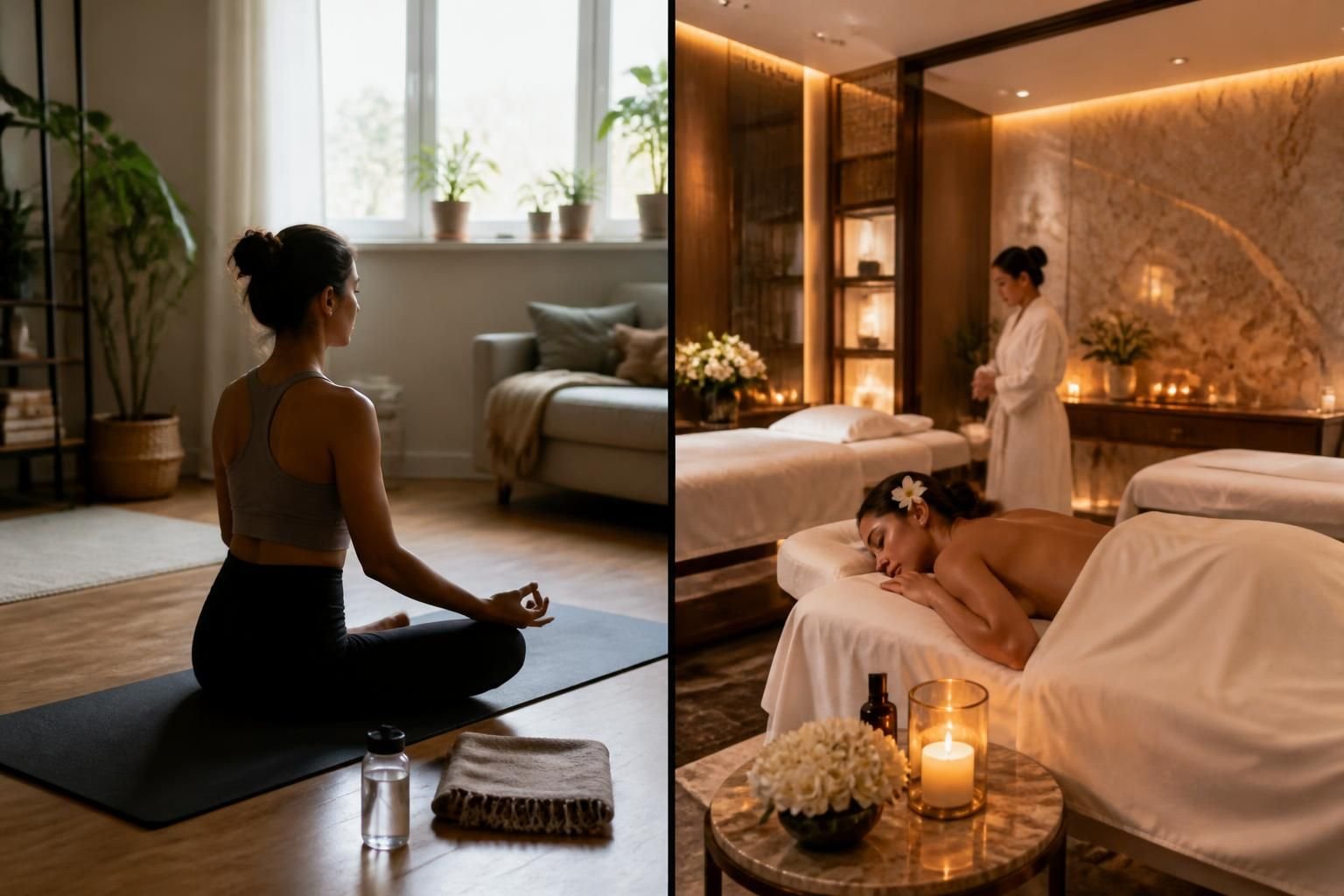

In 2026, wellness travel is no longer confined to the exclusive elite or budget-conscious escapists; it is an evolving spectrum where personalization meets affordability. Wellness seekers face a crucial decision: indulge in the lavish comforts offered by luxury spa retreats or embrace the charm and community of budget-friendly health escapes. The Riviera Maya, a global hotspot for spa massage and self-care, perfectly illustrates this ongoing dialogue between luxury and budget. Travelers now aim to find a balance — a journey that harmonizes high-end indulgence with accessible wellness, tailored to unique needs and financial boundaries.
Understanding this balance requires thorough insight into what each experience offers beyond the price tags. Whether it’s the deep immersive therapies found at a luxury wellness resort or the joyful camaraderie at a budget yoga retreat, both avenues hold immense value for physical and mental rejuvenation. With wellness tourism expected to diversify further, embracing this balance enriches your journey, maximizes health benefits, and reinvents how self-care is delivered across global destinations.
- Luxury wellness retreats excel in deep personalization and exclusive experiences.
- Budget-friendly options focus on community, inclusivity, and foundational wellness activities.
- Each option caters to different stages and goals of wellness journeys, from beginner to expert.
- Smart travelers blend both approaches to maximize value and satisfaction during their travels.
- Location-specific choices, such as in the Riviera Maya, showcase how wellness tourism adapts to diverse preferences.
Comparing Wellness on a Budget and Luxury Experiences: Costs and What You Get
When assessing wellness on a budget versus luxury retreats, the initial mental divider is cost. Budget wellness retreats, particularly those emerging in popular areas like the Riviera Maya, typically fall between $1,000 and $3,000 for a week-long stay. These are designed to provide accessibility to individuals just beginning their wellness journey or those seeking rejuvenation without excessive spending.
In contrast, luxury wellness experiences start at upward of $5,000 and can surpass $20,000, reflecting their promise of exclusivity and advanced therapeutic offerings. These high-tier packages often include gourmet dining, private wellness consultations, and accommodations in plush villas or suites. The difference in price often encapsulates more than just physical surroundings — it embodies the depth of programming, expert staff availability, and tailored treatments.
Consider a classic example: a luxury spa massage in the Riviera Maya might involve one-on-one sessions with specialist therapists using rare natural elements and aromatherapy, whereas budget retreats may offer group massages and holistic wellness classes emphasizing community and shared experiences. Both options support self-care but cater to fundamentally different wellness philosophies.
Understanding these distinctions empowers travelers to align their expectations with their investment, often leading to more satisfying outcomes whether they opt for a serene, personalized haven or a vibrant, budget-conscious community setting.

Depth of Wellness Programs: Exploring Activities and Personalized Care
Wellness retreats on a budget often provide an inviting array of inclusive activities — yoga, meditation sessions, nutrition workshops, and group nature hikes. These programs promote foundational health practices and social connection, ideal for newcomers or those who thrive in communal environments. Imagine waking up to a sunrise yoga class on the beach, surrounded by a diverse group of fellow travelers sharing stories and supportive energy.
On the other hand, luxury experiences dive into the transformative potential of bespoke wellness plans. These may include personalized mindfulness coaching, advanced detoxification therapies, or even integration of cutting-edge biohacking practices. Guests often benefit from expert supervision guiding each element of their stay — from nutrition to fitness and psychological well-being. It’s a tailored immersion designed not only for relaxation but for lasting health transformation.
In 2026, wellness innovations are increasingly featured in luxury settings. Using technology and traditional therapies in tandem, such retreats create a sanctuary for self-discovery and health optimization. These enhancements allow the traveler to maximize benefits during their stay, delivering measurable shifts supported by clinical expertise.
Comparatively, budget retreats emphasize accessibility and shared motivation, fostering wellness through community and simplicity. Both frameworks display unique advantages depending on whether the traveler seeks structured intensity or holistic balance.
Wellness Program Features Comparison Table
| Aspect | Budget Wellness Retreats | Luxury Wellness Retreats |
|---|---|---|
| Average Cost | $1,000–$3,000 per week | $5,000–$20,000+ per week |
| Typical Activities | Group yoga, meditation, nutrition workshops | Private therapies, personalized coaching, specialized treatments |
| Accommodations | Shared or simple private rooms | Luxury suites, villas, private pools |
| Focus | Community, accessibility, introductory wellness | Exclusivity, deep immersion, expert-led |
| Outcome | Renewed spirit, lasting friendships, foundational self-care | Profound mindset shifts, advanced health improvements |
The Role of Wellness Philosophy and Audience in Shaping Experiences
Another crucial layer in the balance between budget and luxury wellness experiences lies in their underlying philosophies and intended audiences. Budget retreats often adopt a generalist approach, offering diverse wellness modalities to allow attendees to explore what resonates most with them. This “wellness buffet” approach benefits travelers still defining their health goals or simply seeking a gentle retreat from daily stressors.
A budget setting might bring together beginners, casual wellness travelers, or those on a tight budget — creating a mosaic of backgrounds that fosters rich social connection. For example, some guests might be emerging wellness enthusiasts while others are travelers simply craving relaxation and new routines, weaving a warm communal fabric.
Conversely, luxury wellness centers tend to cater more specifically to seasoned individuals looking for high expertise within a particular branch of wellness — be it Ayurvedic healing, advanced detoxification, or elite sports recovery programs. This specialized focus aligns perfectly with clients who have clear objectives and are prepared to invest in intensive guidance. Often, the audience includes professionals, wellness devotees, or individuals pursuing profound psychological or physical breakthroughs.
This differentiation affects the overall retreat atmosphere. Budget retreats buzz with lively group activities while luxury venues provide privacy and serene exclusivity, sometimes limiting attendance to ensure personalized care. For example, a luxury spa massage in the Riviera Maya might be accompanied by private mindfulness lessons tailored to personal challenges, while a budget group class lends itself to social encouragement.
The decision hinges on the individual’s wellness journey stage, travel style, and openness to self-exploration within community or solitude.
Strategic Approaches to Combining Budget and Luxury Wellness Experiences
In the quest for effective self-care and memorable wellness travel, many have discovered that a strict binary choice between budget and luxury is unnecessary. Instead, blending the two can generate a harmonious wellness itinerary that respects both financial considerations and quality of experience. The Riviera Maya spa scene exemplifies this smart approach, where travelers might opt for affordable group yoga classes followed by an indulgent private massage to rejuvenate mind and body.
Strategically, travelers might spend the early days of their journey exploring accessible wellness activities and easing into mindfulness before allocating their remaining days to upscale, highly personalized therapies. This balance enhances relaxation and invites lasting lifestyle improvements without financial strain.
Additionally, mix-and-match travel styles yield better value, such as booking budget-friendly flights while choosing luxury resorts for accommodation, or vice versa. This method aligns perfectly with the modern traveler’s mindset seeking affordable self-care without sacrificing comfort or exclusivity.
Here are some tactics to consider when planning your wellness travel:
- Identify your wellness goals: relaxation, fitness, mental clarity, or deep healing.
- Allocate budget proportionally between activities and accommodations.
- Incorporate both group-oriented and private wellness sessions.
- Prioritize flexibility and responsiveness from each retreat.
- Explore local cultural wellness traditions that enhance both budget and luxury stays.
Travelers can also enrich their experience by exploring targeted wellness packages that suit their lifestyle, such as wellness for menopause travelers or wellness for digital nomad couples, ensuring that self-care remains accessible and deeply effective regardless of budget.
Wellness Travel Trends in 2026: Evolving Preferences and Sustainability
As wellness tourism evolves into 2026, travelers are increasingly aware of how their choices impact both their personal health and the planet. The growing demand for sustainable wellness experiences tests the industry’s ability to merge luxury and affordability with environmental responsibility. Destinations like the Riviera Maya lead by integrating eco-friendly practices within spa resorts, from organic products to energy-efficient facilities.
Moreover, wellness retreats now cater to niche audiences with specific health and lifestyle needs, offered across the budget-luxury spectrum. Vegan travelers, for instance, can find tailored meal plans and spa treatments designed with plant-based philosophies in mind at both economical and premium levels — an approach detailed in wellness guides for vegan travelers in Mexico.
These trends emphasize mindfulness not just as part of personal health but as a component of global wellness dialogue, ensuring that choices reflect care for future generations. Travelers prioritize retreats offering proven health benefits alongside ethical commitments, whether in the form of supporting local communities or employing sustainable resources.
The push towards transparency in wellness programming is also notable, with detailed health outcome tracking and personalized progress monitoring becoming standard in many upscale resorts. Budget retreats have begun adopting similar tools, utilizing technology and community feedback to improve their offerings without escalating costs.
The result is a broadening horizon for wellness travelers, where self-care is not a luxury reserved for a few but an integrated lifestyle option accessible across budgets and philosophies.
How do budget wellness retreats differ from luxury ones?
Budget retreats typically offer group activities, shared accommodations, and introductory wellness programs focusing on community and accessibility. Luxury retreats provide personalized services, private accommodations, and expert-led intensive treatments designed for profound health transformation.
Is it possible to combine budget and luxury wellness experiences?
Absolutely. Many travelers adopt a hybrid approach by mixing affordable group activities with select luxury treatments or accommodations, allowing for a well-rounded and financially manageable wellness journey.
What should I consider when choosing between budget and luxury wellness retreats?
Reflect on your health goals, budget constraints, desired experience depth, and travel style. Also consider the retreat’s philosophy, the audience it attracts, and the type of social interaction or privacy you prefer.
Are wellness retreats in the Riviera Maya suitable for budget travelers?
Yes, the Riviera Maya offers a range of budget-friendly wellness retreats that include activities like group yoga, meditation, and basic spa services, all set within beautiful natural surroundings.
How do sustainable practices influence wellness retreat choices?
Sustainability is increasingly important for wellness travelers. Retreats that implement eco-friendly practices, use organic products, and support local communities appeal to those seeking health benefits aligned with environmental mindfulness.