
Curanderismo healing practices in Mexico offer a profound exploration of holistic wellness that intricately blends traditional medicine with spiritual wellness. This ancient healing art, deeply rooted in Indigenous and mestizo cultural traditions, addresses health as a balance of the body, mind, and spirit. Beyond mere symptom treatment, curanderismo recognizes illness as a disruption within these interconnected dimensions, seeking to restore harmony through a combination of herbal remedies, energy cleansing, and sacred rituals. For those in the Riviera Maya and beyond, understanding this living tradition opens a pathway to cultural reverence and transformative healing experiences.
Key Highlights of Curanderismo Healing:
- Curanderismo integrates herbal remedies and spiritual wellness to treat physical and emotional ailments simultaneously.
- Healing rituals often involve energy cleansing, prayers, and culturally significant practices passed down through generations.
- Curanderismo excels in addressing conditions like mal de ojo (evil eye) and susto (soul fright), which are seen as spiritual imbalances.
- The tradition synthesizes Indigenous knowledge with Spanish and African influences, creating a uniquely Mexican folk healing system.
- Modern practitioners adapt traditional massage techniques alongside spiritual rituals to support holistic health.
Understanding the Essence of Curanderismo in Mexico’s Traditional Medicine
At the heart of Mexican healing traditions lies Curanderismo, a system of folk healing intricately woven into the country’s cultural fabric. This practice does not isolate the body’s ailments from emotional or spiritual causes; rather, it views health as a dynamic state of balance across physical, psychological, social, and spiritual levels. This worldview derives from Indigenous beliefs that health depends on being in harmony not only with oneself but also with nature and community.
Curanderismo’s methodology involves a rich repertoire of treatments that blend herbal remedies, massage therapy, prayers, and ritualized gestures. For example, healing sessions may employ specially prepared oils and plants like rue or copal incense, believed to purify and cleanse both body and spirit. This fusion of botanical knowledge and spiritual focus makes Curanderismo uniquely adaptive and relevant today, especially in regions like the Riviera Maya where cultural identity remains strong.
This traditional medicine system is also notable for its profound respect for the interconnectedness of all life forces. Practitioners ascertain the root causes of discomfort by interpreting signs such as disturbances in energy flow or spiritual imbalance, often invisible to conventional diagnosis. Common ailments in this context—such as susto or the sensation of a “lost soul,” and mal de ojo, which refers to harmful energy from envy or ill will—are treated with both massage and prayer, emphasizing that true healing must transcend physical relief to encompass the spirit’s renewal.
Understanding Curanderismo’s roots requires recognizing its composite origins. Indigenous Mesoamerican practices, with their sophisticated knowledge of herbs and energetic healing, merged with Spanish colonial Catholic influences, introducing prayer and ritual elements. African spiritual beliefs, brought through slavery, also enriched this synthesis, contributing to the complex tapestry that defines contemporary Curanderismo.

The Transformative Power of Curanderismo Massage and Energy Cleansing
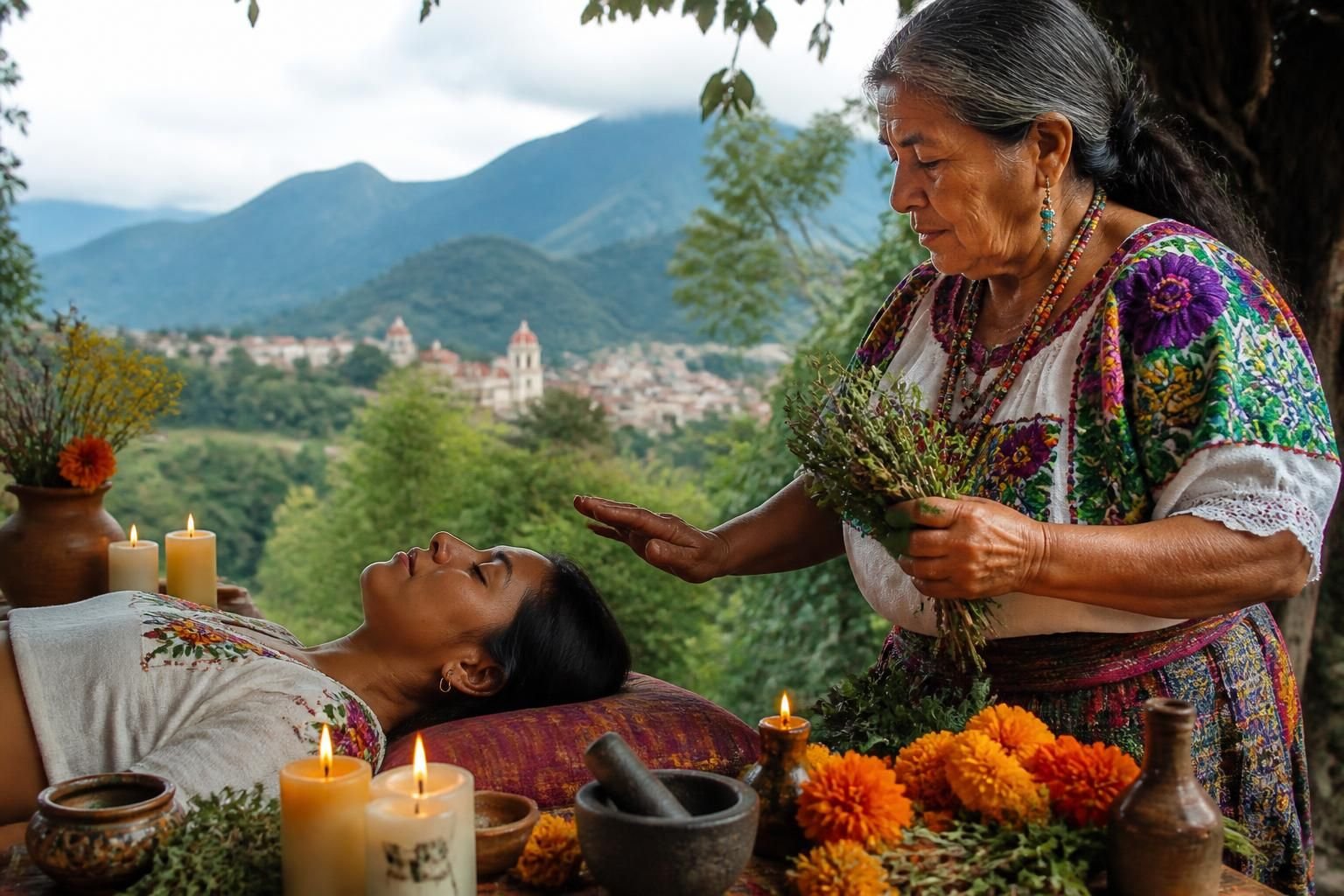
Curanderismo massage represents more than physical therapy; it is a profound healing art that merges touch with spiritual intention. A skilled curandera or curandero (traditional healer) perceives the body as a vessel where emotional tensions and spiritual blockages manifest physically. Through massage techniques that involve kneading muscles, applying rhythmic pressure, and manipulating energetic points, the practitioner assists in releasing both muscular tension and stagnant energy.
The transformative potential of this massage lies in its dual approach: the physical manipulation combined with energy cleansing rituals. Herbal oils, often carefully concocted from ancestral recipes, enhance the experience by carrying specific spiritual properties believed to cleanse impurities and rejuvenate the body’s life force. These elements are complemented by whispered prayers or chants that focus intention on restoring balance.
For instance, a client suffering chronic neck pain might find relief not only in the release of physical knots but also spiritual cleansing that addresses underlying stress or anxiety linked to their symptoms. The massage session becomes a holistic healing ceremony, where the practitioner listens attentively to breath patterns, storytelling, and perceived spiritual disturbances, making it a deeply personalized treatment.
This fusion of bodywork and ritual aligns with growing interest worldwide in comprehensive wellness approaches, combining evidence-based massage benefits, such as improved circulation and endorphin release, with cultural and spiritual healing traditions. In 2026, wellness seekers traveling to Mexico can embrace this unique experience, which respects ancient wisdom while complementing modern health practices.
Cultural Significance and Community Roots of Curanderismo Healing Traditions
Curanderismo is not merely a method of treatment—it embodies a cultural heritage and community practice central to Mexican identity. Passed down through oral tradition and family apprenticeships, often from grandmother to granddaughter, it preserves a worldview that honors ancestors, nature, and spiritual continuity. Its endurance through centuries of cultural suppression underscores its significance as a resilient form of folk healing.
This healing art provides a vital link between generations, sustaining knowledge of herbal remedies and spiritual practices that many modern medical frameworks overlook. It is common for families to seek out curanderos within their communities to maintain a connection to these traditions, which offer not only physical healing but also social cohesion and a shared spiritual language.
Moreover, as Mexican culture spreads and evolves, Curanderismo adapts to new environments, including Mexican-American communities in the United States. This adaptability ensures its relevance in various social contexts, making it a living tradition that continues to influence contemporary approaches to wellness and spirituality. It also fosters greater appreciation for alternative healing paths alongside conventional medicine, enriching the global discourse on health.
Understanding Curanderismo as a cultural anchor invites deeper respect for the role of spiritual wellness and folk healing in medical pluralism. For instance, many modern practitioners emphasize the importance of combining Curanderismo with conventional therapies, creating a holistic care model that addresses every facet of human experience—body, mind, and spirit.
Typical Curanderismo Healing Sessions: Rituals and Practices Explored
A typical Curanderismo session begins with a warm conversation, where the practitioner learns about physical symptoms, emotional struggles, and spiritual concerns. This dialogue helps the curandera or curandero perform a spiritual assessment, sometimes called reading the client’s ‘energy temperature.’ This diagnostic approach might include observation of subtle signs or use of traditional divination tools, allowing the healer to detect energy blockages or spiritual afflictions such as susto or mal puesto (hex).
The core of the session might last between 60 and 90 minutes and include a combination of massage, application of herbal poultices, and ritualistic gestures. Prayer or chanting often accompanies physical treatment, weaving layers of intention and sacred energy throughout the experience. At the session’s end, cleansing with burning herbs—or limpia—is common, using smoke to dispel negative influences and restore purity.
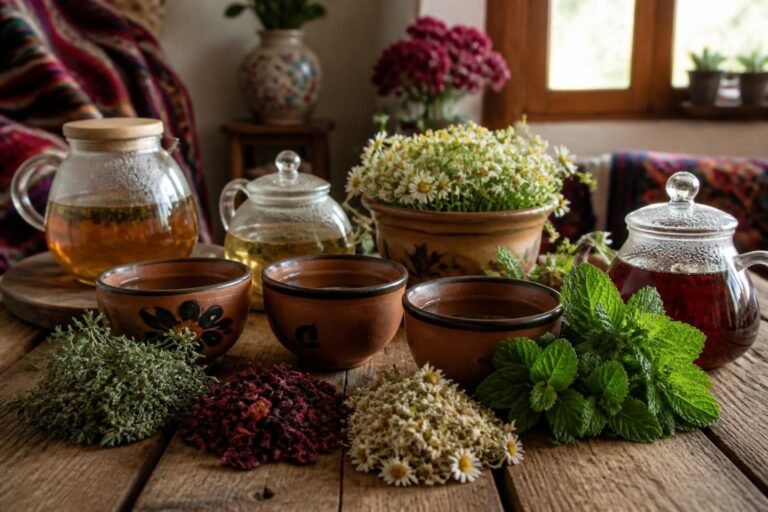
Practitioners often provide recommendations for continued healing at home, such as specific prayer practices, herbal teas, or ritual baths. This home-based care is integral to maintaining the restored balance achieved in the session, creating a supportive environment for ongoing well-being.
Pricing for authentic Curanderismo treatments varies but usually ranges from £40-80 per session, with some healers offering sliding scale fees or donation-based arrangements to accommodate community needs. Since formal certification does not govern this tradition, trust is built on the practitioner’s cultural knowledge, training lineage, and community reputation.
| Session Element | Description | Purpose |
|---|---|---|
| Personal Conversation | Discussion on physical, emotional, and spiritual state | Assess holistic health and energy imbalances |
| Massage with Herbal Oils | Physical manipulation combined with aromatic herbal remedies | Release muscular tension and support spiritual cleansing |
| Prayer and Chanting | Spoken or whispered prayers in Spanish or Indigenous languages | Focus healing intention and energize treatment |
| Smoke Cleansing (Limpia) | Use of burning herbs like sage or copal | Dispel negative energies and restore spiritual harmony |
| Home Care Guidance | Instructions for rituals, teas, or baths after the session | Maintain healing and personal spiritual wellness |
Embedding Curanderismo into Modern Self-Care and Wellness Rituals
In 2026, wellness practitioners and seekers increasingly incorporate Curanderismo principles into modern self-care routines. This allows individuals to reconnect with ancestral wisdom and enhance their spiritual wellness through accessible rituals. Whether through the use of sacred herbs, intentional energy cleansing, or guided prayers, these traditions support personalized healing journeys.
The beauty of Curanderismo lies in its adaptability. For example, some adopt ritual baths with herbs such as rosemary or basil to symbolically cleanse negative energy after a stressful day. Others may use herbal teas infused with traditional ingredients to nourish both body and spirit. These practices can be integrated with contemporary wellness tools like meditation or yoga, offering holistic pathways to balance in everyday life.
For those eager to dive deeper into these time-honored traditions, reliable resources explain how to incorporate Mexican healing wisdom into daily self-care habits. For more detailed guidance, explore wellness rituals inspired by Mexican traditions, helping you enrich your personal holistic wellness practices with authentic and culturally rich elements.
What ailments can Curanderismo effectively address?
Curanderismo is effective for a range of conditions including stress-related disorders, chronic pain, spiritual afflictions like mal de ojo (evil eye), susto (soul fright), and emotional imbalances. It works holistically on physical, emotional, and spiritual levels.
How can someone find an authentic Curandera or Curandero?
Authentic practitioners usually have strong cultural ties and are recommended within their community. They often learn through apprenticeships passed down across generations rather than formal certification. Seeking referrals from trusted cultural centers or community organizations is advisable.
How does Curanderismo complement conventional medicine?
Curanderismo complements conventional treatment by addressing spiritual and emotional factors that mainstream medicine might overlook, thereby providing a more holistic approach to healing and wellness.
Are there risks or limitations to Curanderismo healing?
While Curanderismo is generally safe and supportive, it should not replace urgent medical care. It is best used as a complementary practice and practitioners often encourage clients to maintain regular checkups with healthcare professionals.