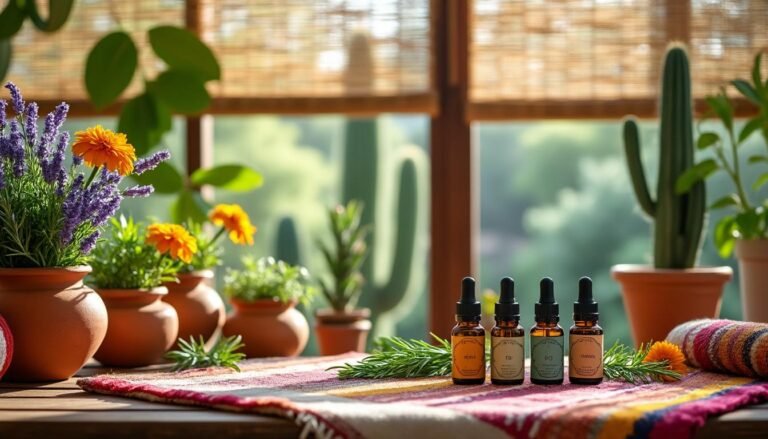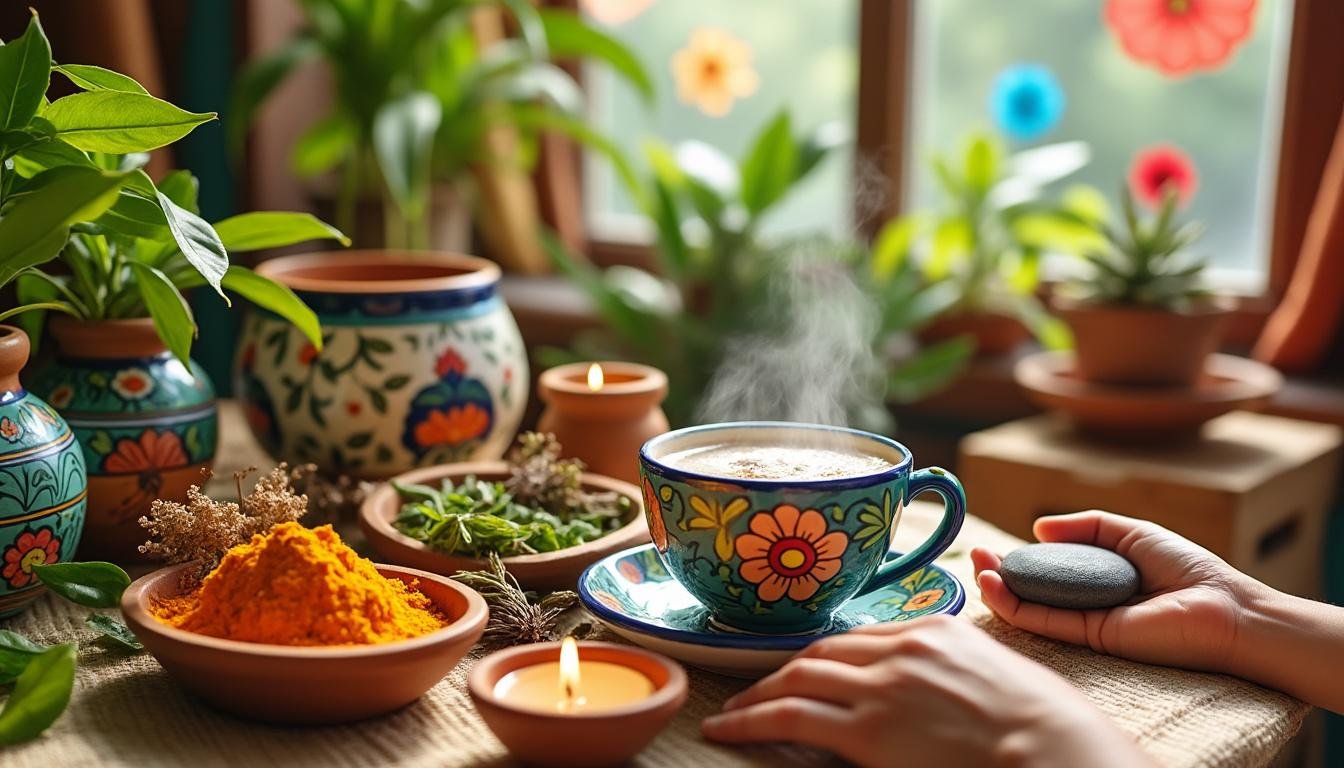

In 2026, the pursuit of holistic wellness has transcended conventional methods, drawing deeply from ancient cultures rich in tradition and spiritual connectivity. Mexican wellness rituals, steeped in centuries of indigenous wisdom and spiritual practices, offer transformative self-care techniques that honor the interplay between physical health, emotional balance, and spiritual growth. Embracing these enduring Mexican traditions is not just an act of cultural appreciation but a profound journey into restoring harmony within oneself through natural ingredients, ritualistic mindfulness, and ancestral healing methods.
Embodying holistic healing, Mexican self-care routines are intricately woven with elements like herbal remedies, cleansing rituals, and spiritual ceremonies that engage body, mind, and spirit alike. These practices provide a template for wellness that challenges modern fast-paced lifestyles, inviting a slower, more intentional approach to health and balance. For those immersed in or inspired by the vibrant cultural heritage of the Riviera Maya, incorporating these traditions can deepen self-awareness while cultivating resilience and vitality.
Exploring the Foundations of Mexican Wellness Rituals and Holistic Healing
The roots of Mexican wellness rituals extend back to Indigenous practices that seamlessly blend natural ingredients with spiritual connectivity, forming a holistic approach to self-care. Central to these traditions is Curanderismo, a healing system where physical, emotional, and spiritual wellness are interdependent. Curanderos and Curanderas, or traditional healers, use a repertoire of herbs, rituals, and prayers to restore balance and encourage the body’s innate healing abilities.
This framework views health beyond the mere absence of illness; rather, it represents a continuous state of equilibrium that sustains vitality and wholeness. The use of natural ingredients such as copal incense, medicinal plants like epazote and manzanilla, and mineral-rich clays for the skin is common, reinforcing the intimate relationship between humans and nature. For example, ancient Aztec and Mayan peoples employed plant-based remedies not just for physical ailments but as gateways for spiritual cleansing and emotional release, which remain integral elements today.
Modern wellness seekers in the Riviera Maya incorporate these ancestral traditions into their routines by blending practical herbal applications with mindfulness and intentional ritual. By adopting practices such as daily herbal teas for calming the body, or immersive ceremonies like the temazcal sweat lodge, individuals reconnect with their environment and cultivate grounding presence. The influence of Mexican wellness rituals continues to expand globally as their benefits for mental clarity and emotional restoration become increasingly recognized.
Integrating these practices also highlights the cultural heritage behind them—an acknowledgement of the Indigenous wisdom that respects nature’s cycles and honors ancestors. For visitors and residents alike, understanding the sacred history and intention behind Mexican healing traditions enriches the self-care experience, making the rituals meaningful beyond their physical effects. This approach invites a profound respect for the holistic methods that have shaped Mexican wellness for centuries, encouraging a mindful, connected lifestyle.
How to Create a Sacred Space for Self-Care Inspired by Mexican Traditions
A pivotal element of Mexican wellness rituals involves cultivating a dedicated healing environment within one’s home or sacred space. This practice aligns with the spiritual notion that surroundings influence energetic flow and receptivity to healing. By creating a sacred corner or altar infused with symbolic elements, individuals invite calm, mindfulness, and protection into their wellness routine.
Start by cleansing the space, a ritual known as limpias. Traditionally, limpias employ smoke from copal or palo santo to clear stagnant energy and invite spiritual clarity. Sprinkling sea salt around the area or lighting white candles further purifies the space, enhancing its vibrational frequency. These cleansing practices, deeply embedded in Mexican culture, establish the foundation for subsequent rituals by opening pathways for balance and intention.
Next, incorporate natural ingredients such as plants, crystals, and fresh flowers recognized for their healing properties. For instance, plants like rosemary and sage offer powerful purification, while stones like turquoise and obsidian provide grounding and protection. Constructing an altar with meaningful artifacts — photos, small statues, and offerings — connects the individual to ancestral and spiritual energies. This curated environment acts as a center for meditation, prayer, or journaling, vital components of self-care that support emotional and spiritual wellness.
Within this sacred space, practicing daily mindfulness becomes a transformative act. Simple rituals like breathing exercises, intention setting, or chanting can be integrated to enhance awareness and presence. Embracing these traditions helps shift the self-care routine from a mechanical task into a profound connection with deeper layers of the self, fostering a holistic appreciation for wellness.
- Perform ritual cleansing with smoke and salt to create a purified environment
- Decorate with healing plants such as manzanilla and herbs like epazote
- Use stones linked to spiritual grounding and protection
- Incorporate an altar to honor ancestors, spiritual guides, or personal intentions
- Include meditation, prayer, or journaling in the space to center the mind and emotions
For those seeking guidance and to deepen this practice, Riviera Maya Massage Concierge offers insightful resources on creating nurturing wellness environments that blend tradition with modern sensibilities.
Herbal Remedies and Natural Ingredients: The Heart of Mexican Self-Care
Traditional remedies in Mexican culture rely heavily on herbal medicine, an indispensable aspect of holistic healing that continues to thrive in contemporary wellness practices. Ancient civilizations such as the Aztecs and Mayans cultivated a sophisticated understanding of plants’ properties, utilizing them to treat physical ailments, alleviate emotional distress, and enhance spiritual vitality.
In daily self-care routines, herbs like chamomile (manzanilla), peppermint, epazote, and turpentine-infused ingredients are used widely. Chamomile, celebrated for its calming effects, is often brewed for tea to soothe anxiety and promote sleep. Epazote, a staple in Mexican kitchens, also carries digestive and anti-inflammatory properties. Together with modern scientific validation, these natural ingredients reaffirm their vital role in holistic wellness.
Additionally, the preparation of tinctures and herbal infusions empowers individuals to tailor remedies for immune support, detoxification, or relaxation. For example, garlic tinctures are known for antibacterial properties, supporting immune resilience. The practical aspect of incorporating cooking herbs like cilantro and turmeric also brings wellness into everyday nutrition, enhancing physical well-being from within.
Using herbs as medicine requires mindfulness and respect for their potency. Traditional knowledge from curanderos emphasizes correct dosages, preparation methods, and ritual use to avoid imbalances. Moreover, gathering herbs sustainably creates a meaningful connection to nature, reinforcing the idea that self-care is a dialogue between the individual and the environment.
| Herb | Primary Use | Benefits | Usage in Self-Care |
|---|---|---|---|
| Manzanilla (Chamomile) | Calming and Relaxation | Reduces anxiety, aids sleep, anti-inflammatory | Tea or infusion for evening ritual |
| Epazote | Digestive Aid | Alleviates digestive discomfort, anti-parasitic | Cooked into meals or brewed as tea |
| Cilantro | Detoxification | Supports digestion, anti-oxidative | Added fresh to food or smoothies |
| Turmeric | Anti-Inflammatory | Reduces inflammation, supports immunity | Incorporated in food or as supplements |
For insight into the integration of these plant-based traditions within modern care, see the detailed explanation on traditional and contemporary Mexican wellness strategies.
The Power of Spiritual Practices and Mindfulness in Mexican Self-Care Rituals
Much of Mexican wellness ritual significance stems from their spiritual dimension, where healing transcends the physical and embraces the emotional and energetic planes. Practices such as ritualistic cleansing (limpias), temazcal ceremonies, and ceremonial use of sacred plants create an immersive experience that fosters mindfulness and spiritual renewal.
Limpias are among the most widely recognized rituals, employing copal smoke, eggs, and herbs to clear negative energies and realign the spirit. The intention and respect with which limpias are administered reflect the ancient belief in the interconnectedness of the body, soul, and environment. These spiritual practices invite participants to engage in a form of energetic self-care, opening channels for greater balance and emotional clarity.
The temazcal, a traditional steam bath centered on purification, offers a physically detoxifying and metaphysical cleansing process. Entering the temazcal is likened to returning to the womb of Mother Earth where the heat, steam, and sacred herbs work synergistically to release toxins, soothe muscles, and restore spiritual equilibrium. Participants often speak of emotional releases and heightened mindfulness emerging from this ceremony, experiences that modern wellness paradigms now recognize as integral to lasting health.
Mindfulness practices within these ceremonies—such as focused breathing, prayer, or chanting—anchor the participant in the present moment, deepening the healing process. Furthermore, these spiritual traditions foster a sense of connection to ancestry and communal identity, reinforcing cultural heritage in the individual’s wellness journey.
Integration of such spiritual elements into daily life grants self-care a sacred framework, transforming routine hygiene or relaxation techniques into profound rituals that nurture holistic well-being. This sacred approach supports emotional resilience, mental clarity, and spiritual peace, providing a sustainable foundation for balanced living.
Connecting Community and Cultural Heritage through Mexican Wellness Rituals
Healing in Mexican wellness traditions is not solely an individual pursuit but a communal experience that affirms cultural identity and shared heritage. The interweaving of personal self-care with collective ceremonies and cultural preservation emphasizes the power of community in sustaining holistic healing.
Participating in group rituals, whether in sweat lodges, herbal workshops, or ceremonial dances, strengthens social bonds and validates ancestral wisdom. This communal approach offers emotional support and fosters a sense of belonging, essential components for long-term wellness. Additionally, these gatherings serve as avenues for intergenerational knowledge transfer, keeping ancient practices relevant and alive in modern contexts.
Community involvement also encourages responsible stewardship of natural resources vital to traditional remedies. Indigenous leaders and curanderos emphasize sustainable harvesting and environmental respect to maintain the integrity of healing plants and medicines. This environmental mindfulness is a cornerstone of Mexican traditions, highlighting an ethical dimension to holistic health that resonates deeply in an era increasingly focused on ecological balance.
For those interested in engaging with authentic Mexican wellness practices, exploring local cultural events or connecting with experienced practitioners provides rich opportunities for immersion. Sharing these experiences promotes mutual respect and enhances awareness of the spiritual practices that underlie many self-care routines, fostering inclusivity and deeper appreciation of cultural heritage.
What are the main benefits of incorporating Mexican wellness rituals into self-care?
Integrating these rituals supports physical health, emotional balance, and spiritual growth by using holistic healing approaches that connect the body, mind, and spirit through traditional remedies and mindful practices.
How can I start practicing Curanderismo at home?
Begin by creating a sacred space for healing, using cleansing rituals like limpias with herbs and smoke, incorporating herbal teas and natural remedies, practicing mindfulness, and seeking guidance from experienced curanderos when possible.
Are Mexican spiritual cleansing rituals safe for beginners?
Yes, provided they are conducted with respect, proper knowledge, and intention. Beginners should start with simple rituals like copal smudging and salt baths, and consider learning from qualified practitioners for deeper practices.
How do Mexican traditions honor nature in wellness practices?
They emphasize sustainable harvesting of herbs, the use of natural ingredients, and rituals that connect humans with the earth, underlining the importance of ecological balance and respect for ancestral wisdom.