

Traveling during menopause presents unique challenges that require a blend of strategy and self-care to maintain wellness on the road. Navigating fluctuating energy, temperature sensitivities, and disrupted sleep means embracing a new approach to exploration—one that prioritizes comfort without sacrificing adventure. For women determined to continue their journeys with vitality, understanding how menopause impacts travel and adopting thoughtful habits is essential to crafting a truly healthy journey. From choosing climate-friendly destinations to optimizing pacing for energy conservation, these insights empower travelers to confidently embrace the transformative experience of midlife travel.
In brief:
- Menopause symptoms like hot flashes, sleep disturbances, and joint stiffness require travel plans tailored to personal wellness.
- Temperature control and hydration are vital for managing heat and maintaining body balance during trips.
- Small-group travel focused on women in menopause offers flexibility, personalized pacing, and guaranteed single-occupancy rooms.
- Mindful itinerary construction with built-in rest and recovery prevents exhaustion and enriches the travel experience.
- Effective self-care tools such as breathing techniques, cooling aids, and stress relief practices enhance comfort and rejuvenation on the road.
Understanding Menopause’s Impact on Travel: Managing Wellness Amidst Changes
Menopause fundamentally changes how the body experiences travel, transforming even familiar environments into challenging scenarios. Hot flashes, experienced by approximately 75% of women during perimenopause and menopause stages, become more than a minor inconvenience while on the move. Imagine being in a warm, bustling Mediterranean city with intermittent surges of heat disrupting comfort and sleep; without proper preparation, these episodes can quickly sap energy and diminish the joy of exploration.
In addition to temperature regulation struggles, sleep becomes a formidable obstacle during menopause. An estimated 40% to 60% of women report persistent sleep disturbances that manifest as night sweats or fragmented rest, essential factors when crossing time zones or engaging in early morning sightseeing. For example, waking multiple times due to hot flashes before a dawn flight is more than a nuisance—it impacts cognitive function, mood, and stamina for the day ahead.
Joint pain and stiffness also intensify, often compounded by long walks or inconsistent rest, making traditional whirlwind travel itineraries unsuitable. The erratic shifts in energy where fatigue and bursts of vitality alternate unpredictably call for a departure from standard travel rhythms toward itineraries that allow for individualized pacing. This means embracing flexibility in both schedule and activity levels, ensuring wellness stays central to the travel plan.
Travelers who thrive during menopause often share a common trait: they cease self-judgment over their needs and embrace adjustments unapologetically. Whether it’s booking accommodation with a bathtub to soothe achy muscles, declining early excursions in favor of extra sleep, or packing cooling accessories, these choices shift travel from endurance to enjoyment.
Ultimately, managing menopause on the road is an exercise in intentionality—a conscious effort to design travel experiences around the realities of menopausal wellness rather than in spite of them.
Prioritizing Temperature Control and Hydration for Comfortable Travel through Menopause
Heat management is one of the most pressing considerations for menopausal travelers, directly influencing symptom severity and overall comfort. A “hot flash” during menopause can feel manageable at home, but misjudging climate conditions while traveling can transform it into a source of sleepless nights and daytime fatigue.
Choosing the right destination and season is fundamental. Avoiding peak heat seasons in popular Mediterranean destinations, such as skipping July in Spain or August in southern Italy, can prevent excessive heat exposure. Instead, traveling during shoulder seasons—typically April, May, September, and October—offers pleasant weather without the sweltering highs that exacerbate hot flashes.
Elevation changes also contribute to heat relief. Destinations like Morocco’s Atlas Mountains provide cooler microclimates, which can be strategically included within multi-stop itineraries to allow natural reprieve from hotter lowland areas.
Ensuring access to reliable air conditioning also cannot be overstated. Boutique hotels ideally equipped with individually controlled climate systems offer indispensable comfort. Reading up-to-date reviews focused on air conditioning effectiveness and requesting verification before booking can avoid unpleasant surprises such as warm nights in buildings with only lobby coolers or outdated heating systems mistaken for air conditioning.
Travelers should maintain a personal cooling kit that includes essentials like handheld battery-operated fans, cooling towels activated by dampening, and breathable sleepwear crafted from natural fibers like cotton or linen. Silk pillowcases add another layer of comfort by minimizing heat retention during sleep. These items are lightweight yet profoundly impact overnight comfort and symptom management.
Hydration is another crucial pillar of menopausal wellness during travel. Menopause-related hormonal changes affect the body’s fluid regulation and temperature control, increasing vulnerability to dehydration. Drinking consistently throughout long hours of touring prevents energy crashes and supports metabolic stability. Carrying a refillable water bottle encourages frequent intake, especially in dry or warm climates.
- Opt for water and herbal teas over alcohol or caffeinated drinks, which can dehydrate and trigger hot flashes.
- Consume hydrating foods such as fruits and vegetables with high water content when possible during meals.
- Set reminders or use hydration-tracking apps to maintain fluid balance effortlessly throughout the day.
Effective heat management paired with regular hydration allows menopausal travelers to transform climates often feared for hot flash risks into enjoyable, even therapeutic environments, promoting wellness throughout the journey.
Cultivating Restorative Sleep and Self-Care Rituals during Menopause Travel
Sleep quality—often compromised during menopause—becomes the cornerstone of maintaining energy and mood stability. The fragmentation of rest from frequent awakenings or night sweats requires extra vigilance when traveling internationally, especially with disrupted sleeping environments and time zone changes.
The guarantee of single-occupancy rooms is a game changer for women seeking restful nights. Unlike standard tours that assign roommates, solo rooms allow control over the environment: adjusting air conditioning, using fans without disturbing others, and having freedom to wake or move without embarrassment or interruption. This control promotes relaxation and faster recovery from travel fatigue.
Strategic hotel placement also matters—selecting accommodations on quiet streets away from elevator shafts, ice machines, and nightlife noise limits disturbances. Women Travel Abroad, for instance, vets each property with climate control and quietness as primary criteria, recognizing the essential nature of these comforts for menopause wellness.
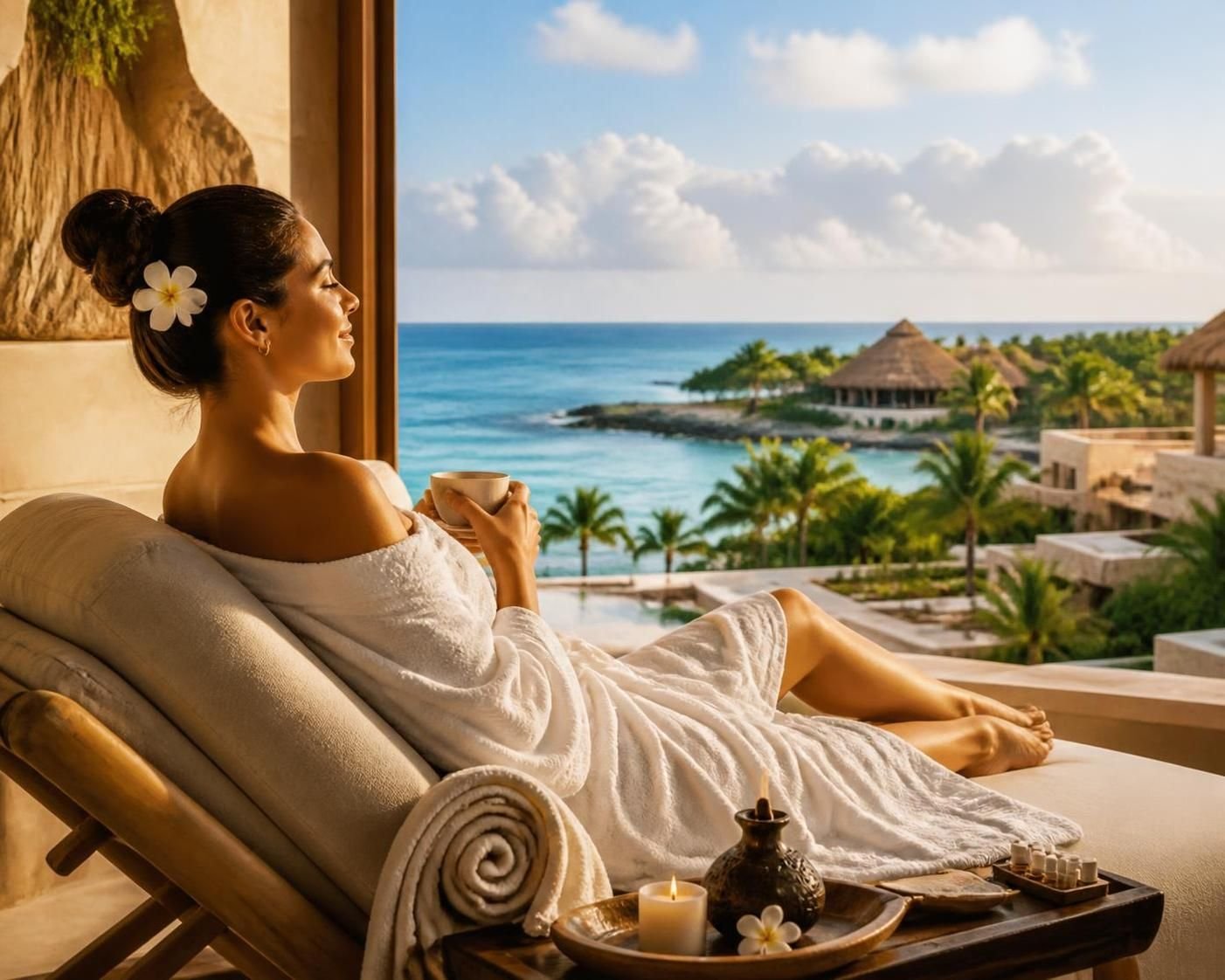
Building rest days and unscheduled mornings or afternoons into travel itineraries supports both physical recovery and mental rejuvenation. Rather than relentless dawn-to-dusk schedules, integrating gentle activities, spa visits, or poolside relaxation provides much-needed balance.
Additionally, proven relaxation techniques like box breathing—a method involving slow, regulated inhale and exhale patterns similar to those employed by Navy SEALs pre-mission—calm the nervous system and enhance oxygenation to the brain. This not only manages anxiety but sharpens mental clarity vital for traveling.
Women can practice box breathing anywhere, whether waiting for flights or in transit, easing stress that aggravates menopausal symptoms. Completing sets of deep, timed breaths brings immediate relief and fosters a steady, composed mindset.
While it’s tempting to indulge in wine or sugary drinks during social dinners, limiting alcohol intake in the evening helps reduce night hot flashes and improves REM sleep cycles. Choosing alternatives or having wine only with dinner, then avoiding subsequent drinks, aligns with maintaining balanced blood sugar levels necessary for restful nights.
Collectively, embracing these self-care rituals sustains vitality and nurtures wellness on the road, transforming travel into a healing experience for the menopausal body and mind.
Designing Itineraries with Energy Pacing and Stress Relief in Mind
One of the most common pitfalls menopausal women face while traveling is overscheduling. The desire to absorb every cultural highlight often clashes with biological cues demanding rest and moderate exertion. The result can be exhaustion, soreness, and diminished enthusiasm before the trip concludes.
Effective itinerary design centers on realistic pacing tailored to fluctuating energy levels inherent in menopause. A wise strategy entails allocating a minimum of two nights in each accommodation base, ideally three, which reduces transit fatigue and allows liesurely exploration without pressure.
Established rules such as scheduling one full rest period for every two days of active touring maximize recovery. This might involve a slow morning called for journaling, stretching, or spa treatments, allowing joints to recover from stiffness and mitigating sleep debt accumulation.
Walking distances kept under five miles per day, with optional add-ons for those feeling more energetic, prevent overexertion while maintaining a sense of freedom and accomplishment. Such tailored flexibility is the hallmark of small-group travel offerings like Women Travel Abroad, where hosts adjust plans to individual needs and group consensus.
Stress relief is also woven into the itinerary through accessible wellness practices including gentle yoga sessions, guided meditation, and therapeutic spa treatments. These activities address the heightened stress sensitivity common in menopause, promoting physical relaxation and emotional equilibrium.
Managing travel stress becomes even more important considering the unpredictability of symptoms. When the schedule has room for spontaneous pace adjustments, energy slumps can be met with graceful pause rather than forceful push, turning the trip into a sustainable, fulfilling adventure.
| Aspect | Large Group Tour (25-50 people) | Women Travel Abroad Small Group (6-10 women) |
|---|---|---|
| Room arrangement | Shared room standard; single supplement 50-100% extra | Single-occupancy boutique room guaranteed; no supplement |
| Pacing flexibility | Fixed schedule; bus departs on time regardless | Adjustable itinerary; group-driven pace by consensus |
| Climate control | Properties chosen by capacity, not comfort | Every property vetted for working in-room air conditioning |
| Rest days | Rarely included | Standard on every itinerary |
| Travel host attention | One guide for entire group | Dedicated host coordinating small group logistics and wellness |
| Pre-trip preparation | Generic packing list emailed | Comprehensive multi-step prep: video calls, packing tutorials, WhatsApp group |
Preparing for Medical Needs and Choosing the Right Group Travel Experience
Travelers navigating menopause often worry about medical contingencies such as running out of hormone replacement therapy (HRT), managing urinary tract infections, or maintaining sleep aids abroad. Knowledge, documentation, and careful preparation are crucial to mitigate these concerns and maintain wellness on the journey.
Carrying medications in original packaging, with clear written prescriptions, including generic drug names, is essential. This ensures smooth passage through customs and eases access to refills if necessary. Women should pack a sufficient supply covering the entire trip duration plus several extra days to avoid shortages.
Travel insurance that covers pre-existing conditions related to menopause care is another smart investment. Policies from providers like World Nomads, Allianz, or Travelex often offer waivers for pre-existing conditions when bought within a specific time frame after deposit.
Before departure, securing contact details and locating English-speaking medical clinics at travel destinations provides peace of mind. Many countries have pharmacies offering common medications without prescriptions, but knowing exactly what to ask for, using generic names, facilitates quick treatment. Traveling with a doctor’s summary of health status and medications allows efficient communication in case of medical needs.
Small-group travel models accommodate these concerns effectively by fostering close host support, personalized attention, and adaptable schedules. Groups ranging from 6 to 10 women create a nurturing environment where individuals feel seen and cared for, reducing stress and promoting self-care.
Comparisons illustrate how large tours often fall short during menopause, with fixed, rigid itineraries and shared accommodations exacerbating symptom challenges. Conversely, small groups ensure single rooms without extra cost, restful pacing, and tailored climate-controlled stays—foundational for a comfortable, healthy journey.
This structure aligns directly with the wellness priorities of menopausal travelers who value autonomy, dignity, and relaxation alongside discovery.
Is international travel safe during menopause?
Yes. Menopause itself is not a health restriction for travel. Careful planning around symptoms, medications, and itinerary pacing ensures safety and comfort. Many women in their 50s and beyond enjoy international trips without complications.
How should I pack hormone replacement therapy medication for flights?
Carry HRT in original labeled containers in your carry-on bag, along with a written prescription and generic names. This complies with security and customs requirements globally.
What travel accommodations best support menopausal women?
Small-group tours with single-occupancy accommodations, vetted air conditioning, built-in rest days, and travel hosts focused on menopausal wellness offer the best support and comfort.
Can self-care techniques like breathing exercises improve travel wellness?
Absolutely. Practices like box breathing reduce stress, improve oxygenation, and help manage anxiety and symptoms, enhancing overall travel wellness.
What items should I pack specifically to manage hot flashes?
A handheld battery-operated fan, cooling towel, breathable cotton or linen clothing, silk pillowcase, and a refillable water bottle are essential. Avoid synthetic fabrics and pack layers for temperature adjustment.