The world’s vibrant cultural mosaic is woven with countless unique traditions that breathe life into the identities of communities everywhere. From the delicate cherry blossom celebrations of Japan to the exuberant tomato battles in Spain, these customs are more than festive activities — they are threads that connect generations, foster a shared heritage, and shape how societies understand themselves and others. In an increasingly globalized era, the preservation and appreciation of these traditions have become essential, highlighting diversity as a collective asset, not a dividing line.
Notably, cultural rituals often embody values and histories that transcend time, offering insight into human creativity and resilience. As these celebrations and practices evolve and adapt to modern life, they continue to provide meaningful ways for people to engage with their roots and express identity. Across continents, the world’s unique cultural heritage invites us to explore rituals that celebrate everything from agricultural cycles and spiritual devotion to social bonds and communal joy.
Understanding the Role of Traditions and Customs in Shaping Global Culture
Cultural traditions are fundamental pillars that uphold community values and shared identities. They are evocative expressions of a collective past, infused with symbolism, history, and emotion. When individuals partake in these customs, they reaffirm their belonging and continuity, ensuring that ancient wisdom and communal narratives endure. These traditions range from everyday greetings that subtly encode respect and social hierarchy, to spectacular festivals that involve elaborate preparations and unify whole regions.
For example, Japan’s hanami, the cherry blossom viewing, is not simply about admiring flowers; it reflects philosophical concepts such as the impermanence of life and the beauty found in fleeting moments. On the other hand, Spain’s famous La Tomatina festival, with its playful tomato fight, emphasizes communal fun and has morphed into a symbol recognized worldwide while still maintaining its deeply local roots originating in Buñol during the 1940s.
Traditions also act as educational platforms, transmitting values, ethics, and historical knowledge. They anchor societies amid change and globalization, fostering a sense of rootedness. Even as technological advances offer novel ways to share and document these practices, the core of traditions remains experiential, often involving ritual participation, sensory engagement, and social interaction.
Cultural diversity enriches global dialogue and strengthens social cohesion, yet it requires thoughtful preservation. In 2023, UNESCO’s addition of over 50 new entries to its Intangible Cultural Heritage list underscored the urgency to safeguard fragile customs amidst modernization pressures. Such efforts support communities by acknowledging the significance of their traditions on an international scale, encouraging respect and sustained interest.
In our digital age, sharing world traditions extends beyond locality. The international spotlight on indigenous and lesser-known customs through media, festivals, and cultural tourism invites wider participation while raising questions about authenticity and sustainability. This dynamic compels communities and cultural practitioners to balance innovation with fidelity to their ancestral roots, keeping identity vibrant and relevant.

Asia’s Unique Traditions: From Spiritual Rituals to Festival Spectacles
Asia, home to a vast array of cultures and languages, offers traditions that are unique and deeply meaningful. These practices often blend ancient spiritual values with seasonal celebrations, reflecting the rich tapestry of its peoples. Japan’s hanami is a profound example, where local communities gather under blossoming sakura trees to reflect on nature and the ephemerality of existence. The meditative nature of this custom has inspired numerous poets, artists, and visitors, making it a centerpiece of seasonal identity.
India’s Holi festival showcases a different dimension of cultural vibrancy. Known as the Festival of Colours, Holi is an exuberant celebration that symbolizes the victory of good over evil, renewal, and the breaking down of social barriers. Its communal aspect, where people joyously throw colored powders and engage in dance, illustrates how traditions can foster unity amidst diversity, creating memorable shared experiences worldwide.
Thailand’s Songkran water festival exemplifies seasonal renewal, as locals splash water in symbolic acts of cleansing and blessing the new year. This ritual combines religious devotion, joy, and community engagement. Similarly, South Korea’s Chuseok festival unites families to honor ancestors through food and traditional games, reinforcing intergenerational connections.
Many Asian customs are steeped in ritual dance and ceremony. Bhutan’s Tshechu festivals bring communities together in vibrant displays of sacred masked dances. These performances narrate spiritual stories and moral lessons, fostering cultural education alongside celebration. The festival’s role in reinforcing a communal identity highlights how spiritual and social dimensions intertwine in cultural expressions.
The multiplicity of Asian traditions emphasizes the continent’s vast diversity, where language, geography, and religion shape unique cultural identities. As globalization touches Asia, many communities actively integrate modern wellness and self-care practices into their traditional customs — a promising bridge between heritage and contemporary lifestyles. To explore wellness deeply connected to local culture, consider exploring how Mexican rituals enrich personal and communal well-being through authentic cultural wellness routines.
African Cultural Practices: Preserving Heritage through Ceremony and Celebration
Africa is a continent of incredible cultural wealth where rituals and customs serve both spiritual and communal purposes. Ethiopian Timkat, an Epiphany celebration, honors the baptism of Jesus with vivid processions, ritual water blessings, and jubilant singing. This event not only connects participants to religious history but also reinforces community identity and solidarity.
The Ghanaian Homowo Festival recognizes survival and prosperity following historical famine through drum-filled gatherings, feasting, and palm nut soup ceremonies. It is a striking example of a tradition that conveys resilience and thanksgiving, weaving historical memory into current practice.
Among the Maasai in Kenya, the Adumu or “jumping dance” forms an essential rite of passage for young warriors, signifying strength and transition into adulthood. This ritual is visually captivating while encapsulating social structure and shared values, illustrating how physical ceremony can embody intangible aspects like honor and belonging.
African cultural practices often emphasize oral history, communal storytelling, and symbolic artistry. The Himba people of Namibia, for instance, masterfully use hairstyles sculpted with red ochre to communicate age, status, and social roles, preserving a living cultural language in physical form.
The diversity within Africa’s cultural landscape is extraordinary, shaped by ethnicities, environments, and long-standing traditions. These practices play vital roles beyond mere festivals; they educate, unite, and ensure the cultural continuity of millions. By engaging with these living heritage events, visitors and residents alike gain profound insight into cultural values and historical narratives that define identity regionally and globally.
Distinctive Celebrations in the Americas: Festivals that Express Identity and History
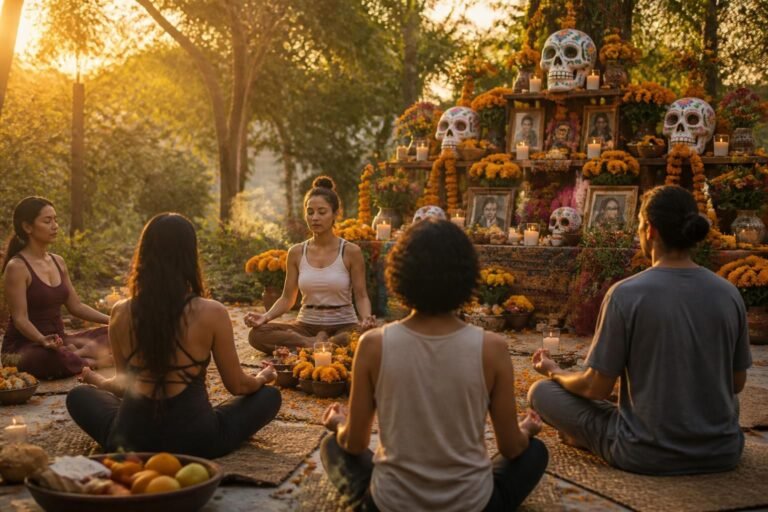
The Americas showcase a vivid spectrum of traditions that reflect indigenous legacies, colonial histories, and vibrant contemporary cultures. Mexico’s Día de los Muertos (Day of the Dead) is a hallmark tradition blending indigenous beliefs with Catholic practices. Families honor deceased loved ones through intricate altars adorned with marigolds, candles, and personal offerings. This joyful approach to death strengthens family bonds and cultural identity, earning recognition as a UNESCO Intangible Cultural Heritage.
Brazil’s Carnaval do Rio exemplifies exuberance and cultural fusion. Samba school performances, elaborate floats, and street parties attract millions, highlighting African, Indigenous, and European influences. The carnival is a global symbol of celebration and community spirit, demonstrating how traditions can be adapted and amplified on an international scale.
Peru’s Inti Raymi festival honors the ancient Sun god Inti with theatrical reenactments and processions at the historic Sacsayhuamán ruins. This celebration reconnects modern Peruvians with Incan heritage, marrying history and ritual in a powerful cultural revival.
In Canada, Indigenous powwows are essential cultural gatherings where dance, music, and spirituality maintain vibrant traditions. These events foster intergenerational learning and reinforce identity, celebrating First Nations heritage amid contemporary challenges.
The Americas’ traditions highlight how communities engage with history and identity through public celebrations and private rituals. They underline the ongoing dialogue between past and present, demonstrating that cultural heritage remains a vital, living force shaping local and global perspectives.
| Tradition | Country | Significance |
|---|---|---|
| Day of the Dead (Día de los Muertos) | Mexico | Honors deceased loved ones, blending indigenous and Catholic customs |
| Carnaval do Rio | Brazil | Celebrates cultural fusion through samba, dance, and music |
| Inti Raymi | Peru | Ancient Incan festival honoring the Sun god |
| Powwows | Canada | Indigenous cultural gatherings to preserve traditions |
For travelers interested in connecting with meaningful traditions while prioritizing wellness, resources that guide you in blending cultural respect with personal well-being are invaluable. Consider discovering unique wellness experiences rooted in cultural heritage to nurture both body and spirit on your journeys.
Impact of Technology on the Preservation and Sharing of Cultural Traditions
Advancements in technology continuously reshape how cultural heritage is preserved, shared, and adapted worldwide. Digital platforms and social media are powerful tools for broadcasting traditions beyond their geographic origins. A traditional Korean hanbok fashion trend or the Mexican Día de los Muertos celebration can quickly captivate audiences globally, fostering broader appreciation and cultural exchange.
At the same time, digital archives, video storytelling, and language preservation apps empower communities to document practices at risk of disappearing. Indigenous groups actively use technology to maintain linguistic and ritualistic knowledge, supported by initiatives such as UNESCO’s digital preservation programs. These efforts provide an accessible way for younger generations to connect with their heritage in an increasingly digital world.
Nevertheless, technology also brings challenges. The risk of cultural homogenization looms as dominant cultural expressions may overshadow more delicate traditions. This necessitates mindful application of digital tools to respect authenticity, ensure local agency, and enhance rather than replace traditional engagement.
Businesses and cultural institutions must navigate these complexities by embracing localisation—a strategic adaptation of content to align with cultural values and expectations. This approach ensures communications resonate authentically and avoid misinterpretation, strengthening global cross-cultural relationships.
| Technology Benefit | Description | Potential Challenge |
|---|---|---|
| Global Sharing | Expands reach of traditions to international audiences | Risk of cultural dilution or misrepresentation |
| Digital Preservation | Archives endangered languages, rituals, and performances | Requires ongoing community involvement for accuracy |
| Localisation & Adaptation | Customizes content to cultural contexts for authenticity | Needs deep cultural knowledge to avoid stereotyping |
Recognizing this balance is essential to sustain the vibrant diversity of global customs. By thoughtfully integrating technology into cultural preservation, communities are empowered to adapt to modern realities while safeguarding the legacies that define them.
How many distinct cultural traditions exist worldwide?
Estimates vary, but experts suggest there are between 3,800 and over 7,000 distinct cultural groups worldwide, closely tied to the approximately 7,000 spoken languages. These groups embody unique customs and rituals reflecting their identity.
Why is preserving cultural traditions important today?
Preserving traditions maintains community identity, promotes intergenerational bonding, and enriches global cultural diversity. It also educates future generations, supports social cohesion, and provides a counterbalance to cultural homogenization.
How does technology aid in safeguarding cultural heritage?
Technology facilitates the documentation, sharing, and revitalization of customs via digital archives, storytelling, and social media platforms. It broadens audiences while supporting endangered practices, though it must be used mindfully to respect cultural integrity.
What role does localisation play in cultural communication?
Localisation adapts messages to align with local customs, values, and sensitivities, ensuring effective and respectful communication. This approach is vital for businesses and organizations operating across diverse cultural landscapes.
Can cultural traditions evolve over time?
Yes. Traditions are dynamic; they evolve by integrating new elements while retaining foundational values. This adaptability helps keep them relevant and meaningful within changing social contexts.