
The Day of the Dead, or Día de los Muertos, is a profound cultural phenomenon that blends spirituality, heritage, and wellness into a transcendent celebration of life and memory. More than a mere holiday, it embodies a sacred dialogue between the living and the departed, offering moments of mindfulness and self-care that nourish the soul as much as the body. Rooted in ancient rites and enriched by centuries of evolving tradition, this vibrant festival integrates rituals that foster emotional balance and spiritual healing, inviting all participants to explore the continuum of existence in a meaningful way.
Across Mexico’s diverse regions, the Day of the Dead unfolds as a tapestry of colors, scents, and sounds that guide souls back home while offering the living a chance to reconnect, reflect, and rejuvenate. These customs reflect a unique approach to wellness—one that encompasses grief, remembrance, meditation, and community ties. As the cultural winds of 2026 bring renewed interest in holistic health, understanding these traditions offers an invaluable window into how ancient practices continue to inspire balanced living today.
From the intricate construction of altars to the thoughtful preparation of nourishing foods, every aspect of Día de los Muertos is a lesson in harmony and intentionality. The floral scents, the soft candlelight, and the collective stories woven around gravesites manifest a healing environment that encourages mindfulness and spiritual insight. By embracing the rituals of this festival, individuals not only honor their heritage but also cultivate an enriching wellness practice that can bring peace, balance, and renewal into their lives.
Key Insights You Should Know:
- Día de los Muertos blends cultural heritage with wellness rituals to create a balanced and spiritually nourishing celebration.
- The ofrenda (altar) serves as a centerpiece for mindfulness and self-care, bridging life and death in a sacred space.
- Traditional food adaptations emphasize nutrient-dense ingredients to support physical wellness without erasing ritual meaning.
- Community gatherings and night vigils foster emotional healing and deepen spiritual connection among participants.
- Symbols like marigolds, Monarch butterflies, and La Catrina carry profound layers of meaning, helping individuals meditate on life’s cycles.
Exploring the Spirituality and Rituals of Day of the Dead for Emotional Wellness
At its core, Día de los Muertos is a ritual of profound spirituality that guides individuals through cycles of grief and celebration, facilitating emotional wellness in ways rarely found in Western traditions. The festival challenges the usual notions of death as loss by embracing death as part of life’s ongoing narrative, a transformation rather than an end.
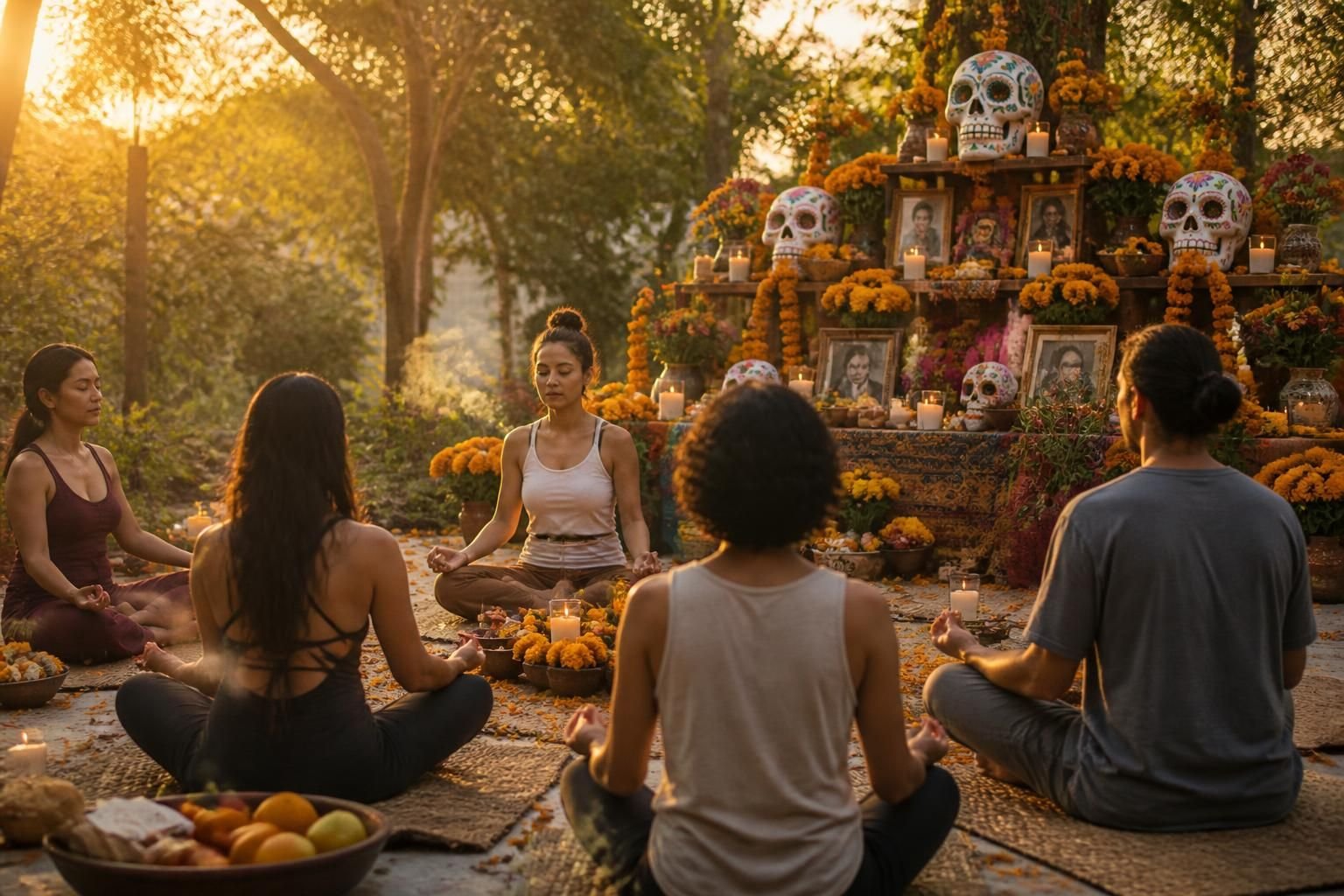
The practice of setting up an ofrenda, a multi-tiered altar adorned with symbolic items such as photographs, candles, marigolds, and the favorite foods of the deceased, acts as a tangible meditation object. It encourages mindfulness by inviting families to engage in contemplative acts that honor memory and invite presence. Each candle lit is a deliberate gesture of remembrance, illuminating the path for souls and providing comfort for the living.
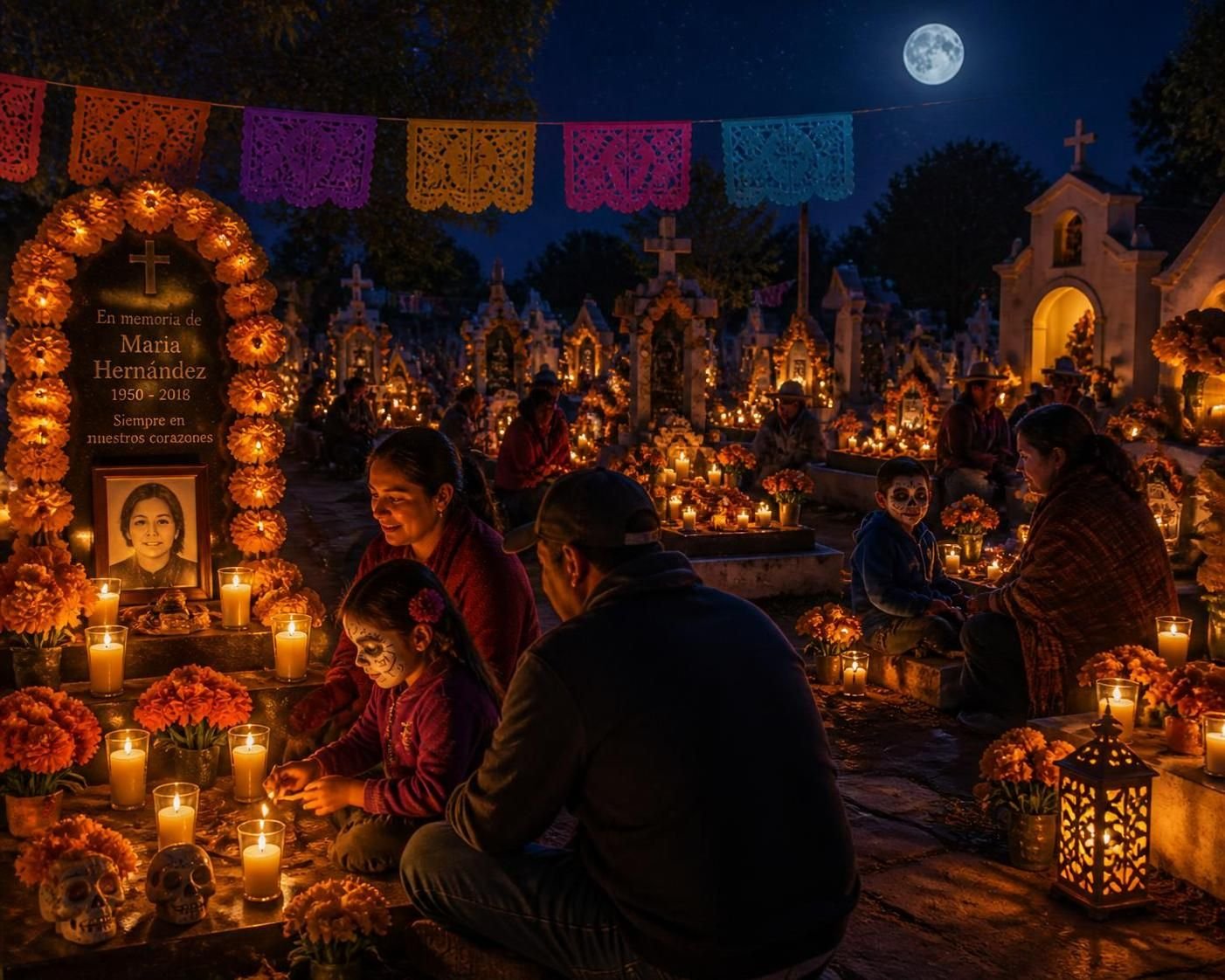
The energy exchanged during the overnight vigils held in cemeteries embodies a collective act of spiritual healing. Participants share stories, sing songs, and offer food amidst a sea of flickering candles, transforming grief into joy and fostering an atmosphere conducive to meditation on impermanence and the enduring nature of love. This communal experience supports psychological balance by normalizing grief and promoting belonging, counteracting isolation often felt during mourning.
Moreover, mindfulness during Día de los Muertos extends beyond ritual participation into the sensory environment crafted by the festival. The distinctive fragrance of cempasúchil (Mexican marigold) fills the air, its bright petals strewn along pathways acting as a fragrant meditation path welcoming spirits. This sensory stimulation provides a grounding effect, reinforcing presence and encouraging participants to slow down and reflect deeply on the intertwined nature of life and death.
This perspective on death, supported by rich symbolism like the La Catrina figure—a graceful skeleton character that mocks death’s inevitability—helps individuals cultivate a balanced emotional approach by honoring mortality with humor and dignity. The Xoloitzcuintli dog figure’s role as a spiritual guide further enriches the ritual by symbolizing protection for the journey between worlds, a metaphor that can inspire personal reflections on life transitions and self-care during challenging times.
Embracing such rituals and symbols rooted in the Day of the Dead provides a gateway to emotional resilience. It encourages participants to engage with grief mindfully, transforming loss into a shared narrative of remembrance, spirituality, and ultimately, healing.
How Traditional Day of the Dead Foods Support Physical Wellness and Balance
Food plays a central role in Día de los Muertos by creating a sensorial and nourishing bridge between the living and the deceased. Beyond their symbolic significance, the traditional offerings have genuine nutritional properties that align with modern wellness principles, supporting balanced physical health during extended rituals and celebrations.
Among the most iconic consumables is pan de muerto, a sweet bread often crafted with ancestral methods and ingredients such as non-GMO corn flour, pumpkin seeds, and natural sweeteners like piloncillo or date syrup. These components provide not only energy but also essential nutrients like fiber, magnesium, and antioxidants, contributing to stable blood sugar levels and digestive health amid the typically sugar-laden festivities.
Families have adapted recipes to prioritize wellness without sacrificing symbolic depth or flavor. For example, using whole wheat or spelt flour, natural sweeteners, and high-quality fats like avocado oil, modern preparations help mitigate post-meal fatigue and blood glucose spikes that commonly arise from traditional high-sugar versions. These adaptations equally honor ritual intent, teaching younger generations mindful self-care linked to heritage.
The consumption of seasonal fruits such as oranges, guavas, and tejocote during the festival adds vital vitamins and polyphenols, enhancing immune function and hydration. Drinks like atole and ponche are often crafted with fresh ingredients and reduced sugar to maintain balance and hydration, critical for sustaining energy through long hours of celebration and vigil.
Moreover, traditional practices around food preparation and sharing—such as soaking and rinsing beans or roasting chiles to reduce digestive irritation—reflect centuries of knowledge that align with today’s wellness concerns. These rituals underscore the importance of gut health and metabolic balance as part of the festival’s self-care ethos.
Below is a detailed comparison of traditional versus wellness-adapted foods commonly found during Day of the Dead celebrations, illustrating how mindful modifications enhance physical well-being:
| Aspect | Traditional Preparation | Wellness-Adapted Preparation |
|---|---|---|
| Flour Base | Refined white flour | Whole wheat, spelt, or masa harina |
| Sweeteners | Refined white sugar | Piloncillo, date syrup, or agave nectar |
| Fats | Lard or butter (regular) | Grass-fed butter or avocado oil |
| Flavor Enhancers | Artificial colors and flavoring | Natural orange zest, anise, and spices |
| Digestion Support | No special preparation | Soaking chiles and rinsing beans to reduce irritants |
Integrating these mindful food choices into Day of the Dead celebrations enhances wellness without compromising the ritual’s rich heritage. For those interested in experiencing such balanced nourishment during their time in Mexico, the abundance of resources and advice found at wellness travel guides in Mexico provide practical inspiration.
Balancing Ancestral Heritage and Modern Wellness Through Day of the Dead Practices
The interplay between cultural heritage and contemporary wellness is particularly vibrant during Día de los Muertos. This festival exemplifies how ancient wisdom can harmonize with present-day mindfulness and self-care to forge balanced lifestyles that honor both body and spirit.
At the heart of this balance is the preservation of ceremonial intent alongside adaptations that respond to evolving health needs. Many families uphold traditions faithfully, while others introduce subtle shifts such as reduced sugar or adjustment in ingredient sources to safeguard metabolic health, demonstrating the dynamic relationship between past and present practices.
Spiritual rituals such as lighting copal incense and hanging papel picado banners contribute to mental clarity and emotional centering, enhancing meditative focus and offering environments conducive to spiritual wellness. These activities create sacred spaces that invite participants into a contemplative state, blending heritage with mindful meditation.
Physical self-care intertwines with ritual when attendees gather for massages, relaxation, and skin treatments themed around indigenous plants and natural substances. For instance, insights into local plant-based spa treatments in Riviera Maya reveal how ancestral wellness practices nurture physical balance and tranquility, dovetailing perfectly with the Day of the Dead’s emphasis on holistic health.
The communal nature of the celebration is itself a potent wellness practice. Sharing stories, music, and food during overnight vigils fosters emotional connectivity and social support. Such collective engagement reflects a unique cultural approach to processing grief and embracing joy simultaneously, encouraging participants to cultivate resilience and mindfulness in daily life.
In turn, this blending has sparked a growing movement in Mexico and among the diaspora encouraging younger generations to engage with their cultural roots through practices that also nurture self-care, body awareness, and mental balance. This synthesis enriches the tradition, ensuring it remains vibrant, accessible, and meaningful.
Key Day of the Dead Symbols That Enhance Mindfulness and Spiritual Balance
The symbology surrounding Día de los Muertos holds profound spiritual significance, each emblem offering pathways to mindfulness and emotional equilibrium. Understanding these symbols enriches the experience, inviting deeper meditation on life’s cyclical nature and the delicate balance between life and death.
Monarch butterflies, arriving annually during the festival, are believed to carry ancestral spirits, embodying renewal and the eternal connection between worlds. Their delicate flight reminds observers of transformation and resilience, urging mindfulness in the face of change.
The bright orange cempasúchil flowers guide spirits by their scent and color, creating visual and olfactory pathways that sharpen present-moment awareness. The act of scattering petals to form paths is itself a meditative gesture that grounds participants in ritual intentionality.
Calaveras (decorative skulls) and calacas (skeleton figures) embody the joyful acceptance of mortality. Far from morbid, their embroidered smiles articulate humor and balance, inviting observers to reflect on death’s role within life rather than fearing it.
La Catrina stands as an elegant personification of death’s universality, symbolizing equality beyond social status. This iconic figure challenges ego and encourages humble mindfulness—a spiritual lesson wrapped in cultural pride.
Papel picado banners flutter with symbolism representing air and fragility, reminding participants of the transient nature of life and the importance of honoring each moment with gratitude and intent.
Finally, the Mexican hairless dog Xoloitzcuintli represents protection for souls navigating the spiritual journey, embodying loyalty and guardianship. The presence of this symbol invokes comfort and assurance, qualities essential for emotional balance during times of loss.
Collectively, these symbols create a rich tapestry that supports a balanced mindset centered on spiritual awareness and emotional well-being. They offer tangible reminders that death and life coexist in harmony, guiding participants toward an enriched state of mindfulness that can extend beyond festival times into everyday practice.
Practical Wellness Tips to Honor Day of the Dead Traditions Respectfully and Mindfully
Respectful participation in Día de los Muertos is itself a practice of mindfulness and self-care that honors both cultural heritage and emotional balance. Immersing oneself in the traditions requires awareness, intention, and sensitivity.
Here are key recommendations to integrate wellness and respect into your Day of the Dead celebrations:
- Learn the origins and meanings behind customs and symbols to foster genuine connection and mindfulness rather than superficial engagement.
- Cultivate a quiet presence during cemetery visits and altars, maintaining respectful silence or soft conversation to preserve the sacred atmosphere and support collective emotional healing.
- Choose food offerings thoughtfully by balancing traditional favorites with nutrient-dense ingredients that support physical wellness, particularly when managing dietary restrictions.
- Avoid stereotyping costumes or behaviors that trivialize the festival’s profound spirituality, ensuring that participation uplifts rather than disrespects heritage.
- Support local artisans by purchasing handcrafted decorations and foods, reinforcing community sustainability and cultural preservation.
- Use moments of ritual as meditation opportunities to foster inner calm, spiritual reflection, and emotional release, integrating self-care seamlessly with tradition.
By combining cultural understanding with wellness-focused self-care, participants can deepen their experience during this festival of remembrance and renewal. It is a rare occasion where heritage meets health, and spirituality guides balanced living.
For travelers interested in augmenting their Day of the Dead immersion with relaxation and restorative care, resources about therapeutic retreats in Cozumel reveal how regional spa practices and massage therapies integrate harmoniously with cultural wellness.
What are the main elements to include on a traditional Day of the Dead altar?
Traditional altars include photos of the deceased, candles, marigolds, favorite foods and drinks, sugar skulls, personal mementos, and often copal incense to invite spirits and purify the space.
How can I adapt Day of the Dead foods for better wellness without losing cultural significance?
Opt for whole grain flours, natural sweeteners like piloncillo or date syrup, and healthy fats such as avocado oil. Small adaptations preserve ritual intention while supporting metabolism and digestion.
Is it respectful to join public Day of the Dead celebrations as a visitor?
Yes, if you approach with respect, learn about the traditions beforehand, avoid disruptive behavior, and appreciate the ceremonies as a participant rather than a spectator.
What role do symbols like La Catrina and monarch butterflies play during the festival?
They offer rich spiritual lessons on mortality, transformation, and renewal, supporting mindfulness and emotional balance through their presence and stories.
Can mindfulness practices be integrated into Day of the Dead rituals?
Absolutely. Rituals like candle lighting, petal scattering, storytelling, and vigil gatherings provide natural opportunities for meditation and self-care, enhancing both spiritual and emotional wellness.