

Living abroad can be both exhilarating and challenging, especially when it comes to maintaining your health and wellness. For expats in Mexico, where vibrant cultures and landscapes offer unique lifestyles, establishing effective wellness routines is essential to fully embracing this exciting chapter. Yet, thriving abroad means going beyond mere survival — it involves adopting habits that promote holistic wellbeing, integrating physical fitness, mental health practices, and cultural adaptation seamlessly into daily life.
Mexico presents a multifaceted experience for health-conscious expats. Its healthcare systems, affordable private clinics, and wellness culture provide many opportunities but also demand knowledge and intentionality. From navigating healthcare enrollment options to cultivating balanced routines that enhance mental resilience and stress management, expats must be proactive. This guide sheds light on the most impactful strategies and real-life examples, aimed at empowering you to create a vibrant, healthy lifestyle amidst the rich backdrop of Mexico’s cities and coastal spots.
Whether you’re settling into Mexico City, Mérida, or the Riviera Maya, adopting wellness habits tailored to local resources and your personal needs is critical. We’ll explore how to blend self-care rituals into the demanding rhythms of expat life, create fitness routines that take advantage of Mexico’s outdoor environment, and manage the mental health challenges that often accompany major life transitions.
Understanding Mexico’s healthcare landscape and crafting sustainable wellness practices are parts of the holistic approach needed to thrive abroad. Embrace these insights to transform your expat journey into one marked by thriving health, meaningful connections, and a renewed sense of purpose.
Key points to keep in mind for expat wellness in Mexico:
- Mexico’s healthcare offers excellent private options at lower costs compared to the U.S., alongside public IMSS enrollment possibilities for legal residents.
- Establishing consistent daily routines supports mental health and helps manage the stress of cultural adaptation.
- Embracing self-care practices like local wellness traditions, outdoor fitness, and mindfulness enhances wellbeing abroad.
- Building a support network including locals and fellow expats is crucial for emotional balance and social integration.
- Understanding insurance options is vital: from IMSS voluntary enrollment to private health plans designed for expats.
Understanding Mexico’s Healthcare System and Its Role in Expat Wellness
For expats, navigating Mexico’s healthcare system is often the first significant wellness challenge after relocation. The country operates three primary healthcare structures: IMSS (Instituto Mexicano del Seguro Social), IMSS-Bienestar (public healthcare for uninsured populations), and a robust private healthcare network. Knowledge about the cost, access, and quality of each system can save expats both money and stress while ensuring better health outcomes.
IMSS offers voluntary enrollment for legal residents, including those with temporary or permanent visas. This social security system covers a broad range of services from general practitioners to hospitalizations and surgeries. Annual enrollment costs for expats fluctuate between $400 and $700 USD depending on age, making it an affordable fail-safe for costly healthcare events. Many expats choose IMSS as a safety net while continuing to access routine care privately for convenience and reduced waiting times.
The public IMSS-Bienestar system primarily benefits low-income Mexican families and informal workers. Its facilities, especially outside metropolitan areas, often lack modern amenities and specialist availability, making it less attractive for foreign residents focused on maintaining high-quality care.
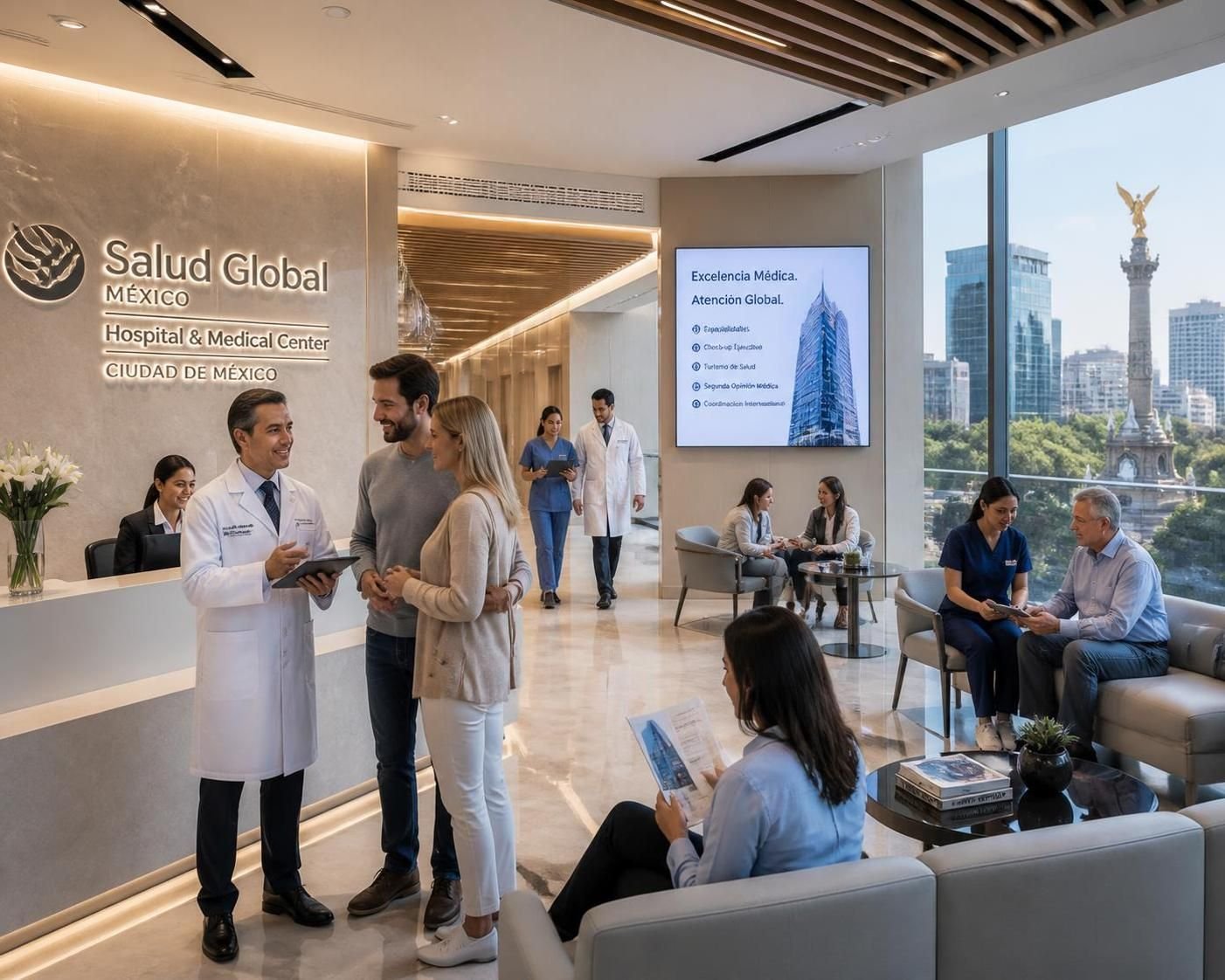
Private healthcare is where Mexico’s value proposition shines. Facilities in Mexico City, Guadalajara, Monterrey, Mérida, and other expat-favored cities offer JCI-accredited hospitals staffed by internationally trained physicians. Medical services—ranging from GP visits to advanced surgeries—often cost 20 to 40 percent of equivalent care in the United States. For example, a private consultation may run $35 to $65 USD instead of $150 to $350 in the U.S., and a hip replacement can cost $8,000 to $18,000 USD rather than $40,000 to $70,000.
This cost-efficient, high-quality private care allows expats to maintain excellent wellness without sacrificing financial security or comfort. Additionally, access to diagnostics, preventive medicine, and nutrition guidance are much more personalized compared to typical experiences in the United States, contributing to better ongoing health management.
Understanding the three healthcare systems and strategically combining private care with IMSS backup optimizes healthcare expenditure and peace of mind. Many expats use private clinics for regular checkups and IMSS for large procedures, striking a balance between convenience and coverage. This approach also accommodates the essential mental wellness component, knowing that emergency services are reliable at affordable rates.
Creating Effective Daily Routines for Physical Fitness and Mental Health Abroad
Transitioning to life in Mexico, establishing stable and healthy daily routines is central to both physical fitness and mental wellbeing. A well-designed routine helps mitigate the often unnoticed stress from cultural adaptation and change. The foundation lies in consistent sleep schedules, nourishing meals, regular exercise, and intentional relaxation practices.
Integrating Fitness Abroad Into Your Lifestyle
Mexico’s diverse landscapes—from beaches to mountains—offer ideal venues for various forms of fitness beyond the gym. Expats can take advantage of morning beach walks in the Riviera Maya, cycling in Guadalajara, hiking trails near Monterrey, or outdoor yoga classes in Mérida. Incorporating these local, accessible activities nurtures body and soul simultaneously, grounding expats in their environment and facilitating cultural immersion.
Many expats report improved motivation when exercise is linked to exploration and socializing. Joining local fitness groups or dance classes introduces social support alongside physical activity, creating a positive feedback loop to maintain healthy routines. Additionally, outdoor activities help with Vitamin D intake, enhancing mood and immune function—two critical factors in thriving abroad.
Prioritizing Mental Health Through Structured Self-Care and Stress Management
Cultural adaptation inevitably brings stressors that can affect mental health. Implementing regular self-care practices such as meditation, journaling, and mindfulness helps manage anxiety and preserve emotional balance. Exploring traditional Mexican wellness practices like temazcal (a steam bath ritual) or local herbal remedies can enrich this routine with culturally meaningful experiences.
The daily routine might include:
- Morning mindfulness or breathwork for 10–15 minutes
- Scheduled walking or light aerobic activities outdoors
- Balanced meals with local fresh produce reflecting healthy Mexican culinary traditions
- Evening wind-down rituals such as reading or gentle stretching to improve sleep quality
Adhering to these habits fosters resilience to expat-specific challenges, including loneliness, language barriers, and disruptions to social networks. The focus on mental wellbeing enhances overall expat wellness by equipping residents with tools to thrive amid uncertainty.
Building a Supportive Community to Enhance Cultural Adaptation and Wellbeing
Establishing a social environment where connections flourish is vital for emotional health. For many, the sense of isolation can be a significant obstacle to thriving abroad. Therefore, intentionally building a supportive social circle not only enriches life but also encourages the persistence of healthy routines and self-care.
Connecting with Locals and Fellow Expats
Mexican culture is famously warm and family-oriented. Engaging in local events, community festivals, and volunteer opportunities offers meaningful ways to build friendships. Meanwhile, connecting with fellow expats provides understanding and validation for the unique challenges faced during the transition.
Communities like Coffee With An Expat provide spaces for women expats to share experiences and wellness tips, helping bridge cultural gaps and reduce feelings of loneliness. Shared wellness workshops focusing on fitness abroad, mental health, and stress management are powerful tools within these communities.
The Role of Social Networks in Sustaining Healthy Routines
Friends and community encourage adherence to fitness goals, healthier eating, and self-care practices. Scheduling regular meetups, group walks, or wellness retreats creates accountability and joy. These interactions become the fabric supporting physical and mental health maintenance, especially during colder or off-tourist seasons when motivation can wane.
Moreover, social ties offer practical benefits such as shared knowledge of trusted healthcare providers, assistance with language barriers in clinics, and emotional support during health challenges. These features directly contribute to more seamless cultural adaptation and wellbeing.
Navigating Health Insurance Options for Expats to Secure Financial and Medical Wellness
One of the most significant aspects of expat wellness in Mexico is choosing appropriate health insurance coverage. Understanding the complexity and advantages of Mexican insurance options is critical to safeguard both physical health and financial stability.
Voluntary IMSS Enrollment and Its Strategic Use
Legal residents can benefit from enrolling voluntarily in IMSS, which offers broad coverage for an annual fee. This plan is most valuable as a safety net for high-cost hospitalizations and surgeries rather than for routine care, which expats usually access privately. Understanding the waiting periods and enrollment requirements ensures realistic expectations and effective planning.
Private Major Medical Insurance (GMM) and International Plans
GMM plans cover catastrophic expenses like hospitalizations and cancer treatments but generally exclude outpatient visits, dental, and vision care. Premiums vary dramatically based on age and pre-existing conditions, making early enrollment advisable. For expats traveling frequently to the U.S., international health plans are a viable but costlier alternative, providing global coverage including in the United States.
| Insurance Type | Coverage | Cost Range (Monthly) | Best For |
|---|---|---|---|
| IMSS Voluntary Enrollment | Hospitalization, specialist care after waiting period | $400–$700 USD per year | Permanent legal residents needing safety net |
| Mexican GMM (Major Medical) | Catastrophic care (hospital, surgery, cancer) | $80–$1000+ USD depending on age | Expats under 70 without major pre-existing conditions |
| International Expat Health Plans | Worldwide coverage, including USA | Higher; varies by provider | Expats traveling frequently between Mexico and USA |
Proactive insurance planning, combined with strategic use of out-of-pocket private care, helps expats avoid unexpected expenses and navigate Mexico’s healthcare smoothly. Balancing cost, coverage, and lifestyle needs is a cornerstone of thriving abroad from a wellness perspective.
Practical Wellbeing Tips to Maintain Balance and Manage Stress Living in Mexico
Incorporating practical wellbeing tips enhances life quality while easing cultural adaptation. Effective stress management, nutrition, and maintaining routines are pillars of continuity that support long-term health abroad.
- Schedule regular physical activity that combines enjoyment with fitness goals—for example, swimming in the Gulf of Mexico or salsa dancing classes.
- Establish clear boundaries between work and leisure time, crucial if working remotely or launching a business.
- Learn key medical Spanish terms to overcome language barriers during healthcare visits and emergencies.
- Explore local cuisine strategically, balancing indulgence with foods rich in nutrients, such as fresh fruits, vegetables, and seafood.
- Prioritize sleep hygiene by creating quiet, dark sleeping environments, especially in cities with bustling nightlife or warm climates.
- Regularly connect with loved ones back home to maintain emotional support while fully embracing your new Mexico living.
- Utilize mindfulness and meditation apps or local classes to sustain mental clarity and reduce anxiety.
These measures collectively build resilience and promote wellbeing so you can sustainably thrive abroad, balancing adventure and health successfully.
Can American expats use Mexico’s IMSS healthcare system?
Yes, legal residents with valid visas can voluntarily enroll in IMSS by paying an annual fee. This provides access to hospital and specialist care after waiting periods and serves as a reliable safety net for major medical events.
Does Medicare cover medical services in Mexico?
No, Medicare generally does not cover healthcare outside the United States. Expats in Mexico usually maintain Medicare enrollment to avoid penalties but rely on Mexican health systems or private insurance for daily healthcare needs.
How much does private healthcare cost compared to the U.S.?
Private healthcare in Mexico typically costs 20 to 40 percent of similar services in the U.S., without compromising quality. For example, standard GP visits can be as low as $35 USD versus $150-$350 USD in the U.S.
What are the advantages of Mexican GMM insurance for expats?
GMM plans provide affordable coverage for catastrophic health events and major treatments at private hospitals, albeit excluding routine care. They safeguard against financial risks with premiums much lower than comparable U.S. plans.
How can expats better manage stress and mental health in Mexico?
Adopting daily self-care routines including mindfulness, exercise, social connection, and utilizing local wellness services or traditional practices helps expats maintain balanced mental health and adapt culturally.