
In the vibrant world of wellness, the convergence of culture and specific care forms an essential foundation for achieving true personalized wellness. Each individual’s heritage, traditions, and beliefs shape not only their health perceptions but also their preferred ways of healing and self-care. This interweaving of cultural sensitivity and individualized care is transforming wellness strategies across the globe, especially in multicultural hubs like the Riviera Maya. Here, cultural competence within healthcare personalization is not merely a trend but a necessity, unlocking new potentials in holistic health approaches tailored to meet diverse needs.
By appreciating the rich tapestry of global cultural practices and blending them with modern healthcare expertise, practitioners can customize services with precision—ensuring that wellness routines are respectful, effective, and profoundly transformative. Exploring these dynamics reveals how wellness customization extends far beyond physical treatments, embracing emotional, spiritual, and social dimensions. As attention shifts from generic solutions to intricate personalization, understanding culture’s role offers a roadmap for healthcare providers and wellness enthusiasts alike, inviting us to rethink how we nurture body and mind in tune with our unique cultural narratives.
Key Points in Brief:
- Culture shapes unique wellness needs and care preferences.
- Specific care that embraces cultural sensitivity optimizes healing outcomes.
- Personalized wellness integrates physical, emotional, and spiritual health.
- Wellness customization requires cultural competence among practitioners.
- Innovative wellness strategies in the Riviera Maya highlight the power of blending tradition and modern care.
Exploring the Role of Culture in Shaping Personalized Wellness Experiences
Culture is far more than a background detail; it is a living, breathing force that guides the way individuals perceive health, illness, and healing modalities. For example, in the Riviera Maya, an area rich with Mayan heritage, the integration of indigenous practices such as temazcal ceremonies and herbal remedies creates wellness experiences that deeply resonate with both locals and travelers seeking authentic care. These ceremonies are not just physical detoxes but involve spiritual renewal, illustrating how cultural traditions infuse health practices with meaning that transcends conventional treatments.
Understanding culture involves acknowledging the diversity in communication styles, health beliefs, and lifestyle habits. For instance, some cultures value community-based healing approaches, where group participation and shared rituals play a critical role in recovery. Others may prioritize individual privacy and autonomy in their wellness journeys. Without recognizing these nuances, healthcare personalization risks becoming superficial or ineffective.
Incorporating cultural competence means practitioners must continually educate themselves about the histories, values, and social structures informing their clients’ wellness frameworks. This sensitivity allows for the creation of tailored plans that respect customs while promoting evidence-based care. A compelling example is the use of traditional massage techniques alongside contemporary physiotherapy—merging the therapeutic touch valued in many Asian cultures with Western anatomical knowledge for enhanced results.
Moreover, culture influences the acceptance and effectiveness of wellness interventions. Dietary recommendations, for example, must be adapted to cultural food preferences and taboos to ensure adherence and satisfaction. Wellness professionals committed to individualized care embrace this complexity, shifting toward care models that welcome diversity as a source of strength rather than a barrier. This cultural lens enriches the dialogue between client and practitioner, fostering deeper trust and collaboration essential for holistic health.
The Science Behind Specific Care and Wellness Customization Techniques
Specific care refers to the approach where wellness interventions are meticulously tailored to the individual’s biological, psychological, and cultural profile. Recent advances in holistic health reveal how personalized wellness strategies significantly improve outcomes by addressing unique triggers, susceptibilities, and preferences.
Personalized wellness moves beyond “one-size-fits-all” protocols to deliver targeted solutions. In practice, this includes genetic testing to identify predispositions, stress-level assessments, and culturally informed lifestyle analyses that jointly inform a health roadmap. For instance, a client with Mediterranean ancestry may benefit from nutrition plans that honor traditional diets rich in olive oil and vegetables, while someone from East Asia might respond better to therapies including acupuncture or qigong.
Specific care extends to the mental and emotional as well. Techniques such as mindfulness and culturally adapted counseling support emotional resilience tailored to one’s cultural narrative. This comprehensive approach acknowledges that stressors and coping mechanisms differ vastly across populations. The integration of these factors represents a pioneering movement in healthcare personalization, enabling deeper healing and sustained wellness.
Table 1 illustrates how wellness customization can align with cultural characteristics and individual needs to produce optimal care plans:
| Wellness Component | Cultural Consideration | Personalized Approach Example |
|---|---|---|
| Dietary Habits | Religious dietary restrictions | Menus aligned with halal or kosher requirements |
| Body Therapies | Acceptance of touch and massage | Incorporation of traditional massage styles like Thai or Mayan massage |
| Mental Health | Preferred communication styles | Use of narrative therapy respecting cultural storytelling |
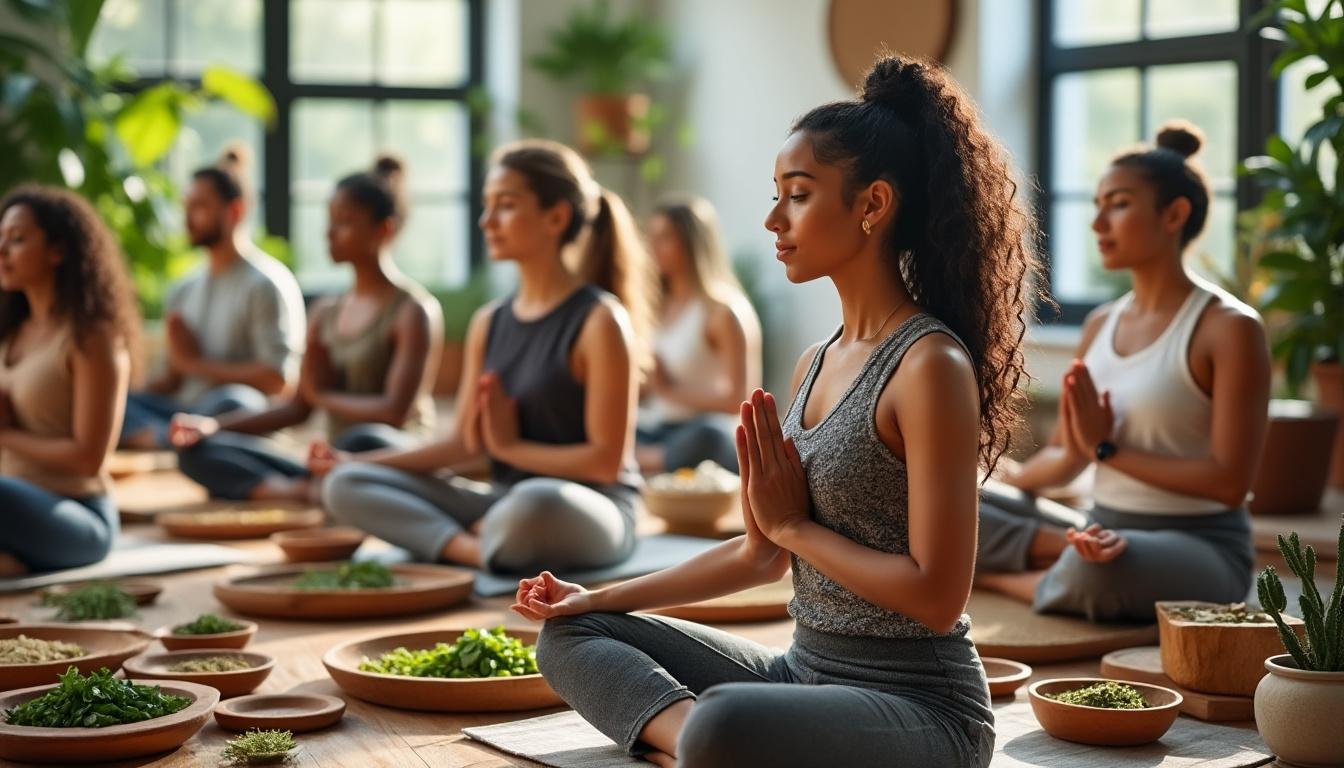
| Movement Practices | Cultural value of group vs. individual exercise | Offering communal yoga sessions or solo Pilates classes |
This tailored methodology demands a high degree of cultural competence, which enhances therapeutic relationships and empowers individuals. Wellness customization rooted in specific care produces measurable benefits, including reduced treatment resistance, higher satisfaction, and improved health markers overall. For those intrigued by advanced insights into these techniques, deeper explorations are available on personalized wellness research.
Integrating Cultural Sensitivity and Healthcare Personalization in the Riviera Maya Spa Environment
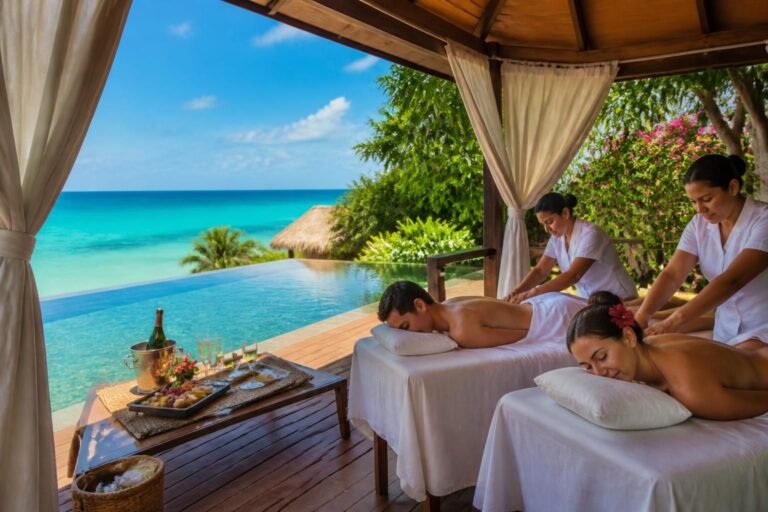
The Riviera Maya stands out as a unique laboratory for fusing culture with specific care, particularly in its robust spa and massage industry. Care providers here meticulously blend Mayan healing traditions with cutting-edge therapeutic techniques, crafting wellness experiences that respect heritage while delivering dynamic care customization. This integration exemplifies the best practices of cultural competence in spa settings.
Practitioners in this region undergo specialized training to understand indigenous philosophies, herbal medicine, and ceremonial rites alongside Western anatomy and physiology expertise. This fusion creates an immersive environment where cultural sensitivity is not superficial but embedded in every aspect—from language use to treatment protocols. For example, therapists might begin a session with a ritual cleansing, a gesture honoring local customs that also helps clients mentally prepare for healing treatments.
Moreover, wellness customization in these spas always considers individual client profiles, including personal health history, emotional needs, and cultural identities. This attention to detail fosters trust and leads to deeper wellness outcomes, especially for international guests seeking authentic, yet specific care tailored to their expectations and cultural backgrounds.
Several wellness strategies adopted here illustrate this approach:
- Combining traditional Chi Kung movements with modern physiotherapy exercises for mobility enhancement.
- Offering customized herbal blends based on Mayan botanical knowledge tailored to individual energetic imbalances.
- Facilitating workshops that respect cultural norms around gender and communication to ensure inclusive participation.
These examples highlight how the Riviera Maya has emerged as a model for healthcare personalization, where cultural sensitivity and specific care intertwine to unlock unprecedented wellness possibilities. More practical techniques and client experiences can be explored at Riviera Maya personalized wellness approaches.
Holistic Health and the Future of Wellness Customization
The future of wellness is undeniably intertwined with holistic health, emphasizing comprehensive care that nurtures body, mind, and spirit simultaneously. This progression aligns perfectly with the principles of cultural sensitivity and specific care, further magnifying the impact of healthcare personalization across populations.
Holistic health recognizes that vitality depends on interconnected factors — physical condition, emotional balance, mental clarity, social environment, and cultural identity. For example, routine wellness check-ups integrate genetic data with stress evaluations and cultural lifestyle assessments. This integrative perspective guides the development of customized wellness plans that anticipate challenges unique to each individual.
Wellness strategies are becoming increasingly sophisticated, employing technology such as wearable health devices and AI algorithms combined with human expertise grounded in cultural competence. These advancements allow wellness providers to monitor progress in real-time and adjust care dynamically, maintaining alignment with the client’s evolving cultural and personal needs.
For instance, in managing chronic pain, some patients respond better to therapies congruent with their cultural beliefs — such as energy work or sound healing — which complements standard medical treatments. Recognizing and validating these preferences enhances therapeutic adherence and fosters a healing environment where personalized wellness truly flourishes.
Below is a list highlighting essential components driving the evolution of customized holistic wellness:
- Integration of cultural knowledge into every wellness protocol.
- Adaptive care models that incorporate new technologies and traditional wisdom.
- Collaboration across multidisciplinary teams to address diverse health dimensions.
- Empowering clients as active participants in their health journey.
- Continuous education to enhance practitioners’ cultural competence and healthcare personalization skills.
This comprehensive framework sets the stage for a new paradigm in wellness where culture and specific care are not separate silos but symbiotic elements essential for lifelong health. Those interested in the cutting-edge future of wellness can consult resources on wellness customization innovations for further inspiration.
Practical Guidelines for Wellness Providers to Enhance Cultural Competence and Specific Care
Delivering personalized wellness with cultural sensitivity requires intentional strategies by wellness providers. The journey begins with self-awareness and extends to organizational practices that prioritize healthcare personalization at every level. By embracing specific care anchored in cultural competence, providers can better meet the evolving demands of diverse clients and foster inclusive, healing-focused environments.
Critical steps include:
- Continuous Cultural Education: Engage in ongoing learning about different cultures, health beliefs, and traditional practices to inform treatment approaches.
- Customized Assessment Tools: Use culturally validated instruments and open-ended interviews that uncover client values and preferences beyond surface-level data.
- Flexible Treatment Planning: Design wellness plans that accommodate cultural norms around touch, privacy, gender interactions, and healing rituals.
- Inclusive Communication: Employ language services and culturally appropriate communication styles to enhance understanding and rapport with clients.
- Collaborative Partnerships: Partner with local cultural experts, traditional healers, and community leaders to enrich service offerings and build trust.
Implementing these strategies transforms wellness environments into spaces of genuine respect and individualized care, boosting client satisfaction and health outcomes. In the Riviera Maya, these principles have proven successful in blending world-class spa experiences with indigenous heritage, creating a model others seek to emulate.
For wellness specialists eager to deepen their skill sets, practical techniques are extensively documented in various studies and field guides such as those found on cultural competence in wellness practices.
How does culture impact individualized wellness plans?
Culture influences preferences, beliefs, and practices related to health, affecting how individuals engage with wellness services and respond to treatments. Personalized wellness plans that consider cultural context enhance relevance and effectiveness.
What are the benefits of integrating traditional healing practices into modern wellness?
Incorporating traditional healing respects cultural identity, increases client trust, and offers complementary approaches that can improve holistic health outcomes.
How can wellness professionals develop cultural competence?
Through continuous education, active listening, use of culturally appropriate communication, and partnerships with cultural experts, professionals can enhance their ability to deliver specific care.
Why is healthcare personalization important in diverse settings like the Riviera Maya?
Healthcare personalization respects the unique needs shaped by diverse cultural backgrounds, ensuring more effective treatment, increased client satisfaction, and better wellness outcomes.