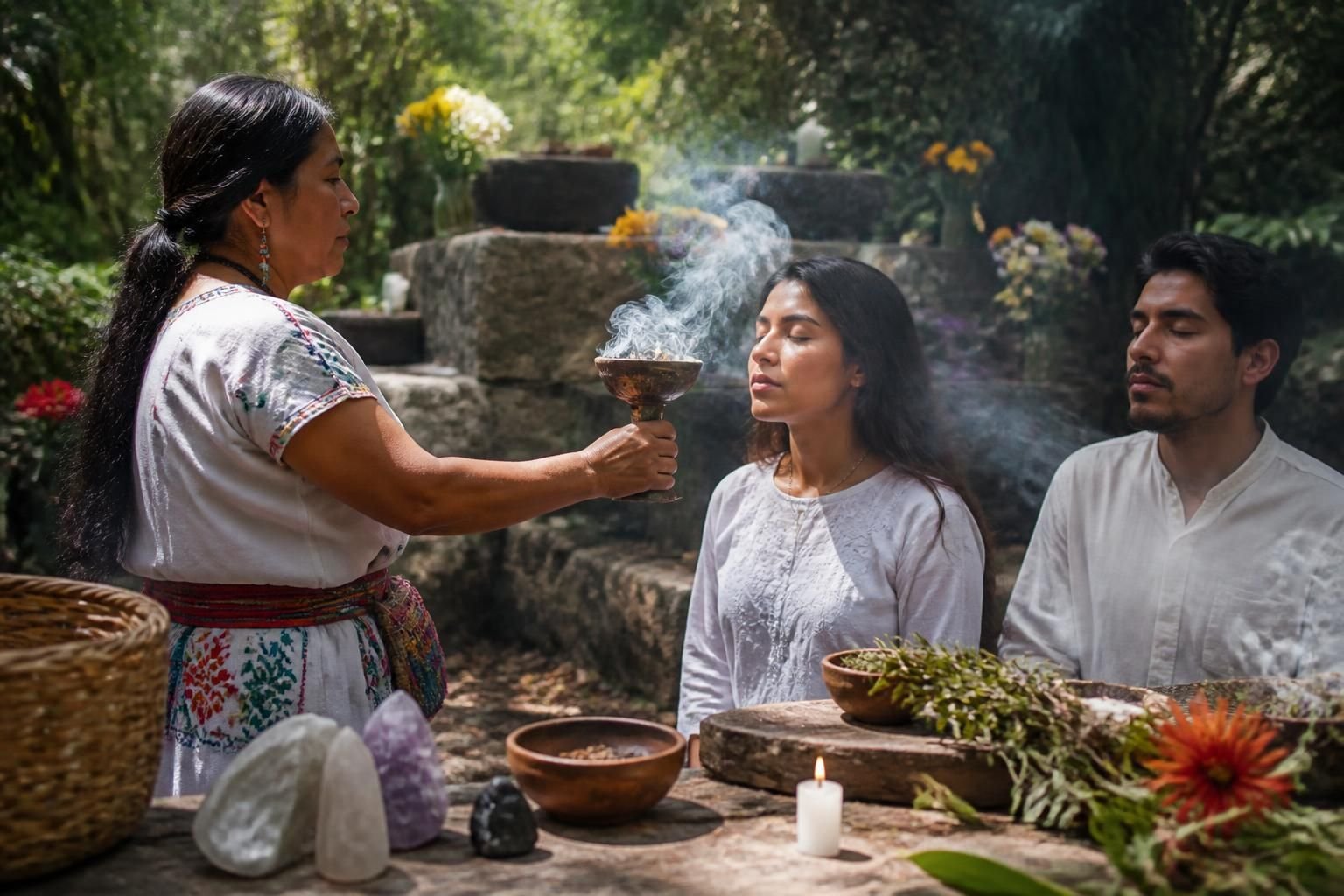

Spiritual cleansing rituals in Mexico offer profound pathways to healing and the restoration of positive energy. These rituals, deeply embedded in ancestral traditions, weave together the physical, emotional, and spiritual aspects of well-being. Rooted in indigenous knowledge that has thrived for centuries, these practices continue to captivate seekers who yearn for spiritual renewal and holistic healing amidst the demands of modern life. Whether performed in sacred temples, through herbal treatments, or accompanied by sacred smoke and prayer, the rich tapestry of Mexico’s energy cleansing ceremonies provides timeless sustenance for the soul.
Brief Highlights:
- Ancient Mexican rituals such as limpias and temazcal offer profound spiritual cleansing to remove negative energies.
- Healing herbs and natural smoke such as copal play a central role in reconnecting body and soul.
- Shamanic practices integrate traditional prayers and intentions, creating a powerful energetic shift.
- Ceremonial settings like the temazcal promote detoxification and spiritual rebirth.
- Modern interest in indigenous medicine keeps these sacred rituals alive, honoring cultural heritage while promoting wellness.
Ancient Spiritual Cleansing Rituals in Mexico: A Journey into Healing and Positive Energy
In Mexico, spiritual cleansing rituals embody more than tradition; they are a living testament to an enduring connection between humans and nature. The ritualistic practice known as “limpia” is pivotal, meaning “cleansing,” and it is used to purify the body, mind, and spirit. This process often involves the use of copal incense, fresh herbs, eggs, and prayers, all crafted to penetrate negative energies and replace them with vibrant healing energy. The delicate interplay between these elements is not merely symbolic but an actual energy healing process that realigns one’s energetic field to its natural harmony.
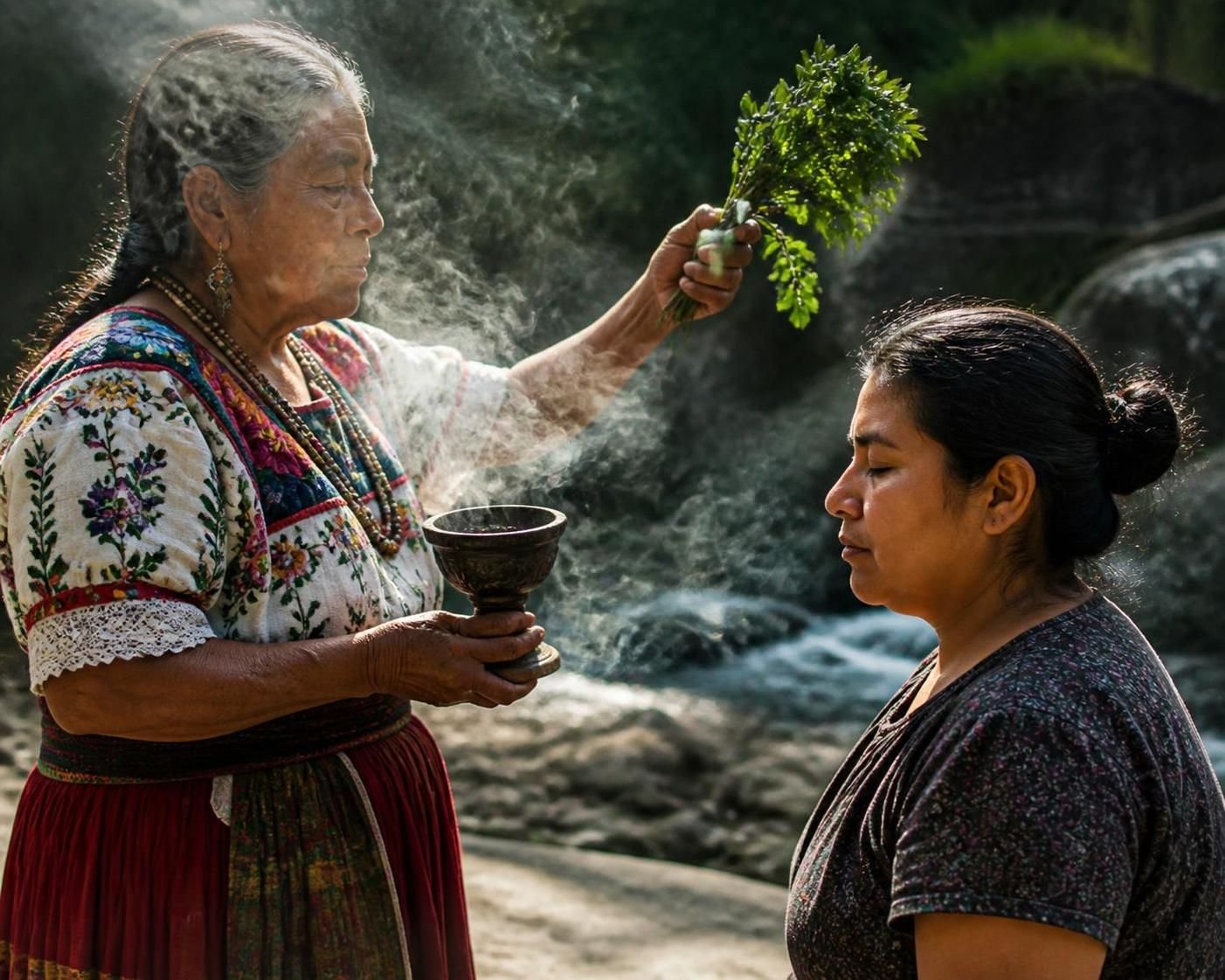
Consider the way a curandero, or healer, conducts a limpia using copal incense smoke. The smoke swirls around the participant, guided by repetitive prayers that incorporate both indigenous and Catholic elements—a beautiful fusion born from historical resilience. The smoke is believed to carry prayers and intentions, purifying the participant and dispelling spiritual blockages. Unlike a simple smudging ritual, the Mexican limpia is often personalized by the healer to suit the specific imbalances they perceive, whether those pertain to emotional trauma, negative energy accumulation, or physical ailments.
Beyond copal, limpias also involve the use of herbal bundles—branches of tarragon, basil, or rue—that draw out toxicity. The ritual can extend to egg cleansing, where an egg is gently passed over the body. This particular technique not only cleanses but serves as an intuitive diagnostic tool for the curandero as changes to the egg afterward reveal the nature of energetic disturbances. The ritual concludes with the respectful disposal of these materials by burning or burial, symbolizing the removal of negativity from the participant’s energy field.
This deep-rooted practice has persisted through centuries, blending ancestral Nahua wisdom with elements absorbed from Catholic influence after colonization. Its continued practice in small towns and among indigenous communities speaks to its vital role in spiritual renewal and well-being. In a world increasingly affected by stress and fragmented energy, limpias offer a direct experience of reconnecting to a sacred source of balance and vitality.
The Temazcal Ceremony: Detoxification and Spiritual Rebirth in Mexico’s Sweat Lodge
The ceremony of the temazcal—a traditional Aztec-inspired sweat lodge—stands out as one of Mexico’s most potent spiritual cleansing rituals, uniquely merging physical detox with emotional and spiritual purification. Derived from the Nahuatl language, “temazcal” translates to “house of heat,” where participants enter a circular stone structure infused with herbal steam that opens the body’s pores and encourages the release of toxins.
The ritual begins with a ceremonial salutation invoking the six directions—north, south, east, west, earth, and sky—through the blowing of a conch shell, and the waving of copal incense to bless participants. Inside the temazcal, volcanic “grandmother stones” radiate warmth; water infused with various medicinal herbs sizzles upon them, filling the chamber with fragrant steam. This heat penetrates deeply, easing muscle tension and allergic responses, while fostering emotional release.
A key element of this ceremony is its intention-driven framework—each participant enters the temazcal carrying specific prayers or goals for healing and renewal. As the temperature rises, the body begins to sweat profusely, a physical mirror to the spiritual and emotional purging occurring within. The circulating prayers and songs guide participants deeper into stillness, allowing the mind to surrender to a meditative state where profound insight and relaxation converge.
Regular participation in temazcal ceremonies is revered not only for its physical health benefits but also for its transformational capacity. Across Mexico, this ritual is embraced by individuals seeking to reconnect with indigenous wisdom, find respite from modern anxieties, and reestablish energetic balance. It is no surprise that wellness retreats across the Riviera Maya and beyond increasingly incorporate temazcal ceremonies as part of their holistic offerings.
Healing Power of Sacred Mushrooms: Psilocybin and Indigenous Spirituality
Among Mexico’s diverse spiritual cleansing rituals, the use of sacred mushrooms, particularly psilocybin varieties known as teonanácatl or “flesh of the gods,” stands as a cornerstone of shamanic practice that unlocks profound healing and spiritual awakening. These potent medicines, prominently used by the Mazatec people of Oaxaca, have been consumed ceremonially to diagnose illness, resolve conflicts, and open channels to ancestral guidance for centuries.
A psilocybin ceremony often unfolds under the guidance of a knowledgeable curandero, who carefully leads participants through a night-long journey marked by chants, prayers, and music. Far beyond recreational use, these rituals serve as sacred passages for spiritual renewal, allowing the participant to release traumas or trapped energies and deepen their connection to life’s core rhythms.
The mushrooms are gathered only under specific seasonal conditions, underscoring their sacred and ecological role. Participants prepare their intentions beforehand, seeking answers or healing that unfolds organically during the ceremony. The experience can involve visions, emotional catharsis, and an expanded sense of consciousness that integrates spiritual insights with physical healing.
Despite growing global attention on the therapeutic properties of psilocybin for ailments like PTSD and depression, for the indigenous communities it remains a sacred practice wrapped in respect, ritual, and ancestral knowledge. The balance between honoring traditional contexts and navigating modern interest poses challenges but also highlights the enduring power of these sacred medicines as facilitators of spiritual cleansing and energy healing.
Herbal Medicine and Energy Cleansing: The Role of Traditional Plants in Mexican Healing Rituals
Central to Mexican spiritual cleansing rituals is the use of healing herbs and natural elements that harmonize the body’s energy field and support physical health. Herbs such as tarragon, basil, and rue are often bundled and used in limpias to pull negative energy from the body, while copal incense purifies and creates a sacred atmosphere. These plants are revered not only for their physical properties but for their energetic signature that aligns with indigenous cosmologies.
Herbal treatments are applied with precision and intention by curanderos, who possess ancestral knowledge passed down through generations. This knowledge is continually evolving yet remains rooted in respecting the sacredness of nature. In many cases, the herbs are harvested sustainably, reflecting a deep ecological awareness inherent in these practices.
Beyond limpias, herbs also play a role in teas, poultices, and balms used in wellness rituals. Their action extends beyond symptom relief toward rebalancing the entire individual energetically. The synergy between plant medicine and ritual intention amplifies the effects, creating a holistic healing experience that integrates mind, body, and spirit.
As the new generation embraces wellness tourism in the Riviera Maya, these traditional herbal practices offer a meaningful encounter with indigenous medicine that supports not only the visitor’s well-being but also the preservation of cultural heritage. For those interested in exploring these traditions further, further insights can be found by exploring indigenous wellness practices in Yucatan and the benefits of Mayan healing herbs.
Key Healing Herbs and Their Energetic Roles
| Herb | Traditional Use | Energetic Effect |
|---|---|---|
| Tarragon | Draws out illness and negativity; used in limpias | Grounding and protective |
| Basil | Purifier of the aura; enhances spiritual clarity | Clearing and uplifting |
| Rue | Powerful cleanser for negative energies and blocks | Strong protective shield |
Embracing Mexico’s Spiritual Cleansing Traditions for Lasting Renewal
Mexico’s spiritual cleansing rituals are a testament to the profound relationship between body, spirit, and nature. The convergence of ancient techniques—whether the sacred temazcal, the fragrant cleansing smoke of copal, or the diagnostic egg limpa—demonstrates a holistic approach aimed at releasing what no longer serves the individual and restoring a harmonious flow of positive energy.
The resurgence of interest in these traditional rituals reflects a growing recognition of their effectiveness in addressing modern ailments such as stress, emotional blockage, and spiritual disconnection. This renaissance also fuels a deeper appreciation for indigenous wisdom that continues to guide and enrich healing arts worldwide.
Many travelers today seek to immerse themselves in authentic experiences with shamans and healers to tap into these time-honored practices. Those who come with respect and openness often report transformative journeys of spiritual renewal that realign their energy and invite lasting well-being. To explore these ancient healing paths more deeply, consider opportunities like the curanderismo healing practices in Mexico or spiritual retreats in the Riviera Maya that incorporate energy cleansing and traditional rituals.
In this sacred land where the seen and unseen worlds merge, spiritual cleansing offers not only liberation from negativity but a return to wholeness and harmony—a gift as vital today as it was centuries ago.
What is the purpose of a limpia in Mexican spiritual cleansing?
A limpia is designed to remove negative energy, spiritual blockages, and emotional disturbances, replacing them with positive, healing energy. It often uses herbs, smoke, or eggs as tools for cleansing and spiritual renewal.
How does a temazcal ceremony support healing?
The temazcal ceremony uses steam and heat to detoxify the body physically while encouraging emotional release and spiritual purification, helping participants achieve holistic well-being.
Are psilocybin mushrooms used recreationally or ceremonially in Mexico?
In indigenous traditions, psilocybin mushrooms are sacred medicines used in ceremonial contexts for healing and spiritual guidance. While recreational use exists, it is the ceremonial use that remains deeply rooted and respected.
Can spiritual cleansing rituals in Mexico be experienced by visitors?
Yes, many wellness retreats and indigenous healers welcome visitors seeking authentic spiritual cleansing experiences, emphasizing respect, intention, and cultural sensitivity.
What role do herbs play in spiritual cleansing rituals?
Herbs like tarragon, basil, and rue are essential in drawing out negative energy, purifying the aura, and supporting the flow of positive energy during ritual cleansing.