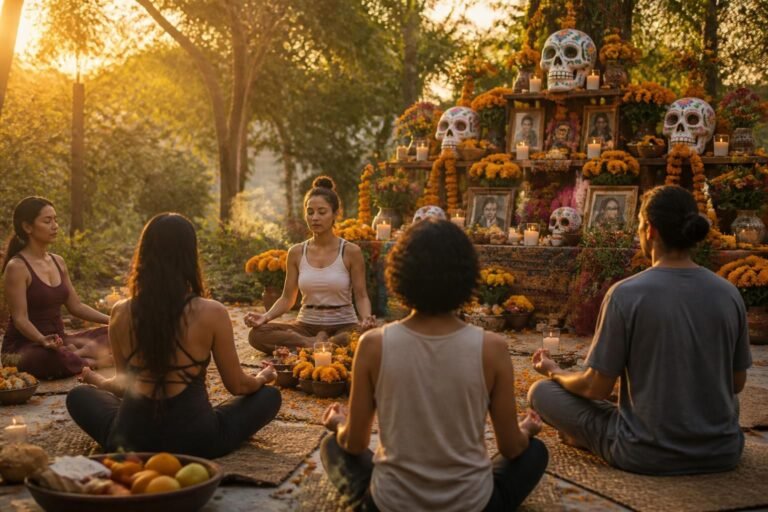
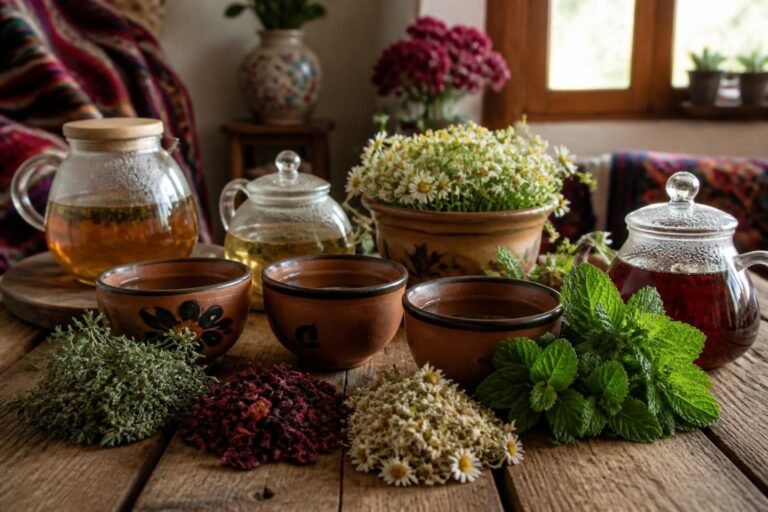
In the vibrant heart of Mexico’s cultural heritage lies a treasure trove of traditional Mexican remedies, a comprehensive guide to natural healing secrets that have been embraced for centuries. Far beyond mere folklore, these remedies form an intricate network of holistic health practices rooted deeply in indigenous wisdom, blending the medicinal prowess of ancient herbs with spiritual wellness. As we move deeper into 2026, the global wellness community increasingly turns its gaze to these time-tested natural remedies, seeking authentic alternative medicine pathways that foster balance and rejuvenation in body, mind, and spirit.
Discovering these Mexican healing secrets unravels a world where herbal medicine transcends pharmaceutical confines, acting synergistically with natural elements to restore wellness. From the use of the often-overlooked Guaco plant for powerful anti-inflammatory benefits to the sophisticated ceremonies of curanderismo, each facet offers insightful wellness tips tailored for those eager to integrate natural healing into their lifestyles. These traditional Mexican remedies not only illuminate the rich tapestry of folk medicine but also serve as compelling alternatives for holistic health enthusiasts worldwide.
In brief:
- Traditional Mexican remedies harness centuries-old knowledge using herbs like Guaco known for anti-inflammatory and antiviral properties.
- Curanderismo practices blend body, spirit, and emotion to treat ailments holistically, emphasizing wellness beyond symptoms.
- Key rituals such as temazcal steam baths and limpias cleanse both physical toxins and negative energies.
- Engaging with these practices requires cultural respect; authentic curanderos provide guided experiences away from commodified “plastic shaman” impostors.
- Regions like Oaxaca, Chiapas, and the Yucatán remain pivotal centers for natural healing and wellness tourism in Mexico.
- Practical herbal preparations often include decoctions and tinctures made from various Aristolochia species, demonstrating promising medicinal effects in 2026 studies.
- Visitors are encouraged to explore traditional healing through genuine avenues such as wellness rituals integrating Mexican traditions and mindful travel choices discussed in budget-friendly Mexican wellness travel.
Unlocking Mexican Traditional Remedies and the Power of Guaco in Natural Healing
The landscape of Mexican herbal medicine is remarkably diverse, with the Guaco plant — scientifically belonging to the Aristolochia genus — standing out as a cornerstone of traditional remedies practiced through generations. Guaco, despite its sometimes confusing nomenclature due to regional variations, is widely revered for its multifaceted healing properties. Native to Mexico’s tropical regions, newly identified species such as Aristolochia purhepecha and Aristolochia chiapensis continue to enrich the botanical repository of natural healing.
Guaco’s strong-scented flowers play a vital ecological role by attracting and pollenating insects, but more importantly, its therapeutic applications serve wellness seekers battling various conditions. Most commonly, Guaco is prescribed for gastrointestinal relief and mitigating pain caused by venomous bites and stings — a testament to its historical and contemporary medicinal relevance. Scientific research in 2026 continues to affirm its potent antibacterial, antiviral, and anti-inflammatory effects, underpinning its credibility within alternative medicine circles.
Yet, the use of Guaco demands respect and caution due to its inherent toxicity, particularly risking adverse effects during pregnancy. This underscores the crucial role of knowledgeable herbalists or curanderos who understand precise dosages and safe applications. For example, Aristolochia brevipes is advocated in cancer prevention regimens via leaf infusions and Gallbladder pain treatments, while Aristolochia monticola is used for digestive issues and diabetes management. Treatments often employ decoctions, tinctures, and poultices that harness the plant’s full healing spectrum.
In practical wellness settings, Guaco enlivens a diverse array of natural remedies enhancing one’s holistic health journey. Whether it’s sophisticated antidotes against scorpion stings utilizing Aristolochia elegans or tinctures combining multiple indigenous plants and aguardiente for snakebite relief, these treatments represent a rich pharmacopeia. However, this tradition is not static: emerging clinical observations continue to integrate Mexican healing secrets responsibly with modern healthcare innovation.
Herbal specialists often emphasize the importance of regional knowledge to maximize these remedies’ efficacy and avoid toxicity. This artistry extends beyond herbal extraction to ritualistic practices where natural remedies operate in tandem with spiritual health—reinforcing the integral balance sought in Mexican traditional medicine.

Exploring the Holistic Framework of Curanderismo and its Healing Ceremonies
At the heart of Mexican traditional remedies lies curanderismo, a healing system that transcends symptom treatment by addressing the body, spirit, and emotions in totality. Rooted in ancient Aztec and Mayan philosophies, this practice conceives illness as a state of imbalance that requires restoring harmony, all while embracing Catholic influences introduced after colonization.
Central to curanderismo are several ritualistic ceremonies with profound physical and spiritual effects. The temazcal ceremony, a traditional steam bath housed in volcanic stone domes, detoxifies participants through heat and herbal steam while symbolizing rebirth. These experiences promote circulation and short-term stress relief—a natural path to wellness backed by physiological study but also vast cultural significance.
Another cornerstone is the limpia, designed to clear negative energies such as the “evil eye” or susto (spirit fright). This ritual typically involves cleansing tools like an egg, bundles of aromatic herbs, or copal incense, physically and symbolically purging bad energy. The interpretation of the cleansing results blends medical intuition with spiritual insight.
A uniquely heart-centered practice is the cacao ceremony, which uses unprocessed cacao as a medium for emotional healing and connection, going far beyond the modern chocolate experience. These slow, guided ceremonies invite group meditation and reflection, honoring cacao’s sacred roots in pre-Columbian cultures.
These practices collectively build a holistic health model that redefines healing. By connecting nature, ritual, and community, curanderismo exemplifies a wellness philosophy increasingly sought by travelers and health advocates worldwide. Sites offering authentic experiences in Oaxaca or Chiapas, where indigenous traditions remain deeply respected, allow immersive participation far from the commercial spectacle. This depth encourages a genuine understanding of how traditional Mexican remedies continue to shape wellness trends in 2026 and beyond.
Herbal Medicine in Action: Aristolochia Species and Their Proven Benefits
The Aristolochia genus, encompassing over 500 species globally with about 65 native to Mexico, offers a powerful toolkit for natural healing. Recent botanical discoveries and research have expanded our understanding of these plants’ medicinal applications. Beyond Guaco’s anti-inflammatory and neuroprotective activities, specific species contribute unique health benefits.
For instance, Aristolochia taliscana shows promise in treating malaria and exhibits trypanocidal and anti-inflammatory effects. Aristolochia trilobata, known locally as bejuco guaco, possesses antinociceptive and anti-inflammatory traits; leaf decoctions are administered for vaginal infections, while roots alleviate tooth infections—showcasing the versatility within folk medicine. Meanwhile, Aristolochia foetida demonstrates cytotoxic effects against breast cancer cells, opening discussions around cancer therapeutics derived from natural remedies.
Medicinal protocols vary: Aristolochia maxima, known as tecolotillo, is used to combat stomach pain and alleviate opioid withdrawal symptoms, signaling breakthroughs in alternative approaches to dependency challenges. Similarly, Aristolochia brevipes, or hierba del indio, combines anti-cancer and antimycobacterial properties in daily-use infusions, reinforcing natural medicine’s role in chronic disease prevention. Additionally, Aristolochia monticola is employed against digestive disturbances and eye infections, offering solutions for common folk ailments.
These botanical profiles encapsulate the dynamic synergy between Mexican healing secrets and modern scientific inquiry in 2026. Each species is carefully prepared—via boiling leaves, making tinctures with aguardiente, or crafting poultices—to unlock its therapeutic potential safely. Carefully following traditional knowledge ensures these remedies’ benefits while mitigating risks intrinsic to their powerful compounds.
This wealth of herbal medicine breathes life into modern holistic health pursuits. Integrating historical wisdom and contemporary research reshapes how individuals can access truly effective natural remedies within wellness tourism, notably highlighted in wellness tourism trends shaping Mexico’s future.
Ethical Engagement with Curanderismo: Authenticity, Respect, and Cultural Sensitivity
As the demand for traditional Mexican remedies grows among international wellness seekers, it becomes crucial to discern authentic curanderismo experiences from commodified impostors often dubbed “plastic shamans.” Genuine practitioners are typically deeply embedded in their communities, operating through apprenticeship and spiritual calling rather than commercial marketing.
Respecting these boundaries is essential. Authentic curanderos do not advertise aggressively online or charge exorbitant fees for brief ceremonies. Their work is recommended by local networks and involves bespoke treatments tailored to the individual’s holistic needs. Conversely, superficial offers mixing unrelated traditions or unauthorized use of psychoactive plants such as peyote signal red flags. Travelers who wish to engage meaningfully are advised to seek community-vetted practitioners and avoid commodification pitfalls.
Understanding the ethics around participation entails practical steps: dressing modestly, asking permission before photographing or filming rituals, and approaching ceremonies with humility and patience. Payment should go directly to the practitioner or community, respecting their labor and spiritual investment.
This code of conduct ensures that the integrity of traditional Mexican remedies and their associated wellness practices remains intact, fostering mutual respect between visitors and indigenous custodians. Such mindfulness deepens the traveler’s experience, aligning with the holistic principles of healing and wellness that define curanderismo.
Outlined below is a comparative table illustrating the shared frameworks of Mexican curanderismo and similar Celtic folk healing traditions, underscoring universal themes found across cultures in natural healing approaches:
| Element | Mexican Curanderismo | Celtic Folk Healing |
|---|---|---|
| Core Concept | Illness as imbalance of body, spirit, and emotions | Illness as disharmony between natural elements and human spirit |
| Healing Practices | Temazcal steam baths, limpias, cacao ceremonies | Holy wells rituals, herbal infusions, sacred tree ceremonies |
| Herbal Medicines | Guaco (Aristolochia), copal incense, medicinal herbs | Rowan, hawthorn, fairy trees, and local plant infusions |
| Transmission | Oral apprenticeship, family lineage | Oral tradition, seanchaí (storytellers), folk memory |
| Religious Integration | Aztec/Mayan beliefs blended with Catholicism | Pre-Christian Celtic beliefs integrated with Christianity |
| Spiritual Roles | Curanderos (healers with spiritual calling) | Wise men/women, druids turned saints |
Incorporating Mexican Natural Remedies and Wellness Secrets into Modern Self-Care
Bringing traditional Mexican remedies into everyday wellness routines offers profound benefits for holistic health enthusiasts. The use of herbal medicine, as exemplified by the Aristolochia species and other botanicals, complements contemporary wellness practices perfectly by emphasizing balance and prevention rather than reactive treatments.
Simple inclusion of natural decoctions and infusions can provide tangible relief for digestive discomfort, inflammation, and fatigue while nurturing mind-body harmony. Beyond ingestion, ritualistic traditions such as the temazcal or a gentle limpia promote emotional cleansing and stress reduction—practices increasingly validated by neuroscience for their calming effects.
For wellness travelers or residents in areas like the Riviera Maya, immersing in these Mexican healing secrets offers an authentic route to self-care. Following expert guidance to avoid exploitation and ensure safety enhances these experiences. Detailed preparation, such as knowing when to abstain due to toxicity or pregnancy concerns, reflects the nuanced wisdom imbued in folk medicine.
Wellness seekers can explore curated resources like essential wellness travel tips for Mexico or embrace luxury options such as private villa rentals with spa services in Tulum to deepen their connection with these traditions in comfort.
Through this sustainable and respectful integration, natural healing becomes more than an option—it transforms into a lifestyle that honors the heritage of traditional Mexican remedies while supporting enduring wellness.
What precautions should I take when using Guaco-based remedies?
Guaco plants possess powerful medicinal properties but also toxic compounds. It is essential to use them only under guidance from experienced herbalists or curanderos. Pregnant women should avoid guaco-based remedies, and treatments should always follow traditional preparation methods to minimize risks.
How does curanderismo differ from typical Western medicine?
Curanderismo approaches health by treating the body, mind, and spirit collectively rather than isolating symptoms. It incorporates ritual, herbal medicine, and spiritual healing to restore balance, contrasting with Western medicine’s often symptom-focused model.
Can visitors participate in traditional healing ceremonies in Mexico?
Yes, but participation should be approached with respect and through authentic channels. Visitors should seek recommendations from trusted community sources, dress appropriately, follow practitioner instructions, and avoid commercialized or imposter-led experiences.
Are there any legal issues with using traditional Mexican herbal medicines abroad?
Some herbal remedies or plant materials may face restrictions due to international regulations, especially when transporting them across borders. Travelers should check customs laws and guidelines to ensure compliance when bringing herbal products home.
How can I safely incorporate Mexican traditional remedies into my wellness routine?
Start by consulting knowledgeable practitioners, ideally those connected to authentic curanderismo traditions. Use remedies in recommended dosages, avoid self-medicating with toxic plants, and complement herbal treatments with supportive lifestyle practices such as nutrition, hydration, and stress management.