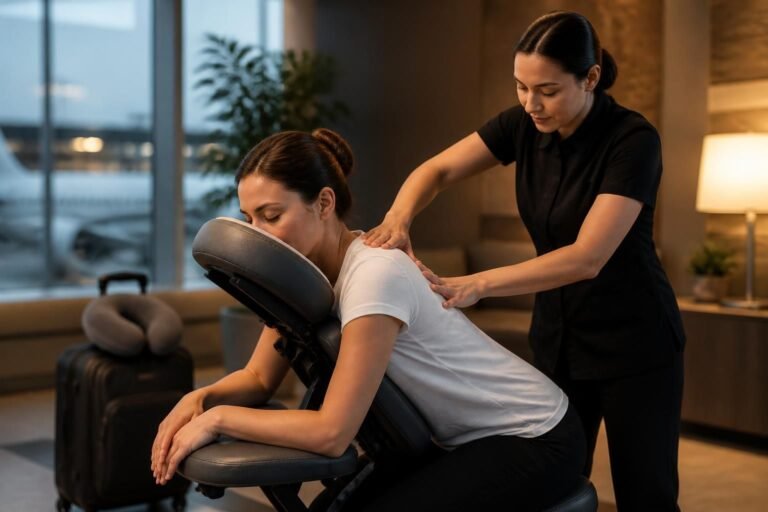
In the vibrant heart of Mexico’s Riviera Maya, a healing revolution is quietly transforming the way people approach pain relief and wellness. Trigger point therapy, a specialized form of massage therapy, has emerged as a profoundly effective technique for tackling stubborn muscle knots and chronic discomfort. This hands-on physical therapy method does more than just mask pain—it targets the very source embedded deep within your muscles to restore your body’s natural balance. In a region renowned for holistic well-being and rejuvenating spa experiences, this therapy offers an elegant, science-backed approach to stress reduction, physical therapy, and long-term health improvement.
For anyone grappling with unexplained aches, persistent tension headaches, or the frustrating limitations of muscle stiffness, Mexico’s wellness scene now includes the option of skilled trigger point therapy to find real, lasting relief. Drawing from decades of medical research and combined with traditional healing wisdom, this therapy is fast becoming an essential part of pain management in the Riviera Maya.
Key Insights:
- Trigger point therapy unlocks stubborn muscle knots by applying targeted pressure, which restores circulation and alleviates both localized and referred pain.
- Rooted in rigorous medical science, the technique traces back to groundbreaking work by Dr. Janet Travell, whose treatment of high-profile patients elevated this therapy’s credibility worldwide.
- Modern practices in Mexico combine traditional hands-on therapy with advanced techniques like dry needling to maximize patient outcomes in pain relief and wellness.
- Understanding and addressing the origin of pain rather than just symptoms leads to improved mobility and sustainable health benefits.
- Experienced therapists in the Riviera Maya embrace a personalized approach ensuring every patient gains a pathway back to full and comfortable movement.
The Science Behind Trigger Point Therapy and Pain Relief in Mexico
Muscle knots—or myofascial trigger points—are often the root cause of unexplained aches and chronic discomfort. Unlike surface tension, these tiny contracted patches in muscle fibers can provoke pain both locally and in distant areas through what is known as referred pain. Finding relief involves more than just generalized massage; it requires focused, skilled pressure applied precisely where these trigger points exist.
Trigger point therapy Mexico practitioners specialize in this technique, using their hands to identify these hyperirritable points. By releasing these knots through careful ischemic compression, they effectively “unkink” the muscle, much like straightening a twisted garden hose. This action restores healthy blood flow, promoting healing and washing away accumulated metabolic waste that fuels pain.
When the muscle fibers finally release their contracted grip, the pain signals sent to the brain lessen dramatically. This interrupts the vicious cycle of chronic pain, allowing patients to regain full functionality and freedom of movement. This approach contrasts sharply with traditional treatments that focus on symptom management rather than curing the underlying dysfunction.
Research from physical therapy clinics in Playa del Carmen, a wellness hotspot, has shown remarkable patient improvements through employing this focused care. Notably, those who integrate consistent trigger point therapy into their health routines report enhanced relaxation, stress reduction, and an overall boost in wellness. In places like Mexico’s tropical spa retreats, these benefits weave beautifully into the holistic experience, optimizing physical therapy with complementary modalities such as hot stone massages.
Uncovering the Hidden Cause of Muscle Pain
Many individuals live with a nagging pain that appears disconnected from its true source. For instance, persistent tension headaches often mislead patients into seeking treatments focused solely on the head. Trigger point therapy unveils the real culprit—knots in the shoulder muscles—that perpetuate this pain. Imagine a snag in a sweater pulling surrounding threads out of alignment; trigger points disrupt muscle function in the same way, creating complex pain patterns that confuse both patient and practitioner.
By zeroing in on these trigger points, therapists unlock an internal reset button. The restoration of blood flow and muscle length means the body can begin natural healing processes, removing pain and stiffness. This fundamental understanding, widely embraced in Mexico’s advanced physical therapy practices, signals a shift in how pain management is approached.
Modern Enhancements Elevate Trigger Point Therapy in Mexico
While the foundational manual therapy remains powerful, Mexican wellness centers continually incorporate innovative techniques to enhance results. Among the most impactful developments is dry needling, which uses ultra-thin needles to penetrate and deactivate deep-seated muscle knots with precision unreachable by hands alone. Originally evolved from the work of Dr. Travell, this method gained traction in the late 20th century and has become a cornerstone in sophisticated pain relief practices.
Dry needling induces a “local twitch response,” an involuntary muscle contraction that signals successful knot deactivation. Therapists trained in this technique combine it with ischemic compression to deliver a comprehensive treatment plan tailored to the needs of each patient. Especially beneficial for chronic or sport-related injuries, this dual approach accelerates healing, reduces inflammation, and minimizes recurrence.
Such advancements reflect the commitment of Riviera Maya therapists to provide evidence-based care. Clinics like those in Playa del Carmen follow rigorous standards, ensuring practitioners maintain high levels of expertise. This professional excellence guarantees that patients receive safe, effective therapy that integrates seamlessly with other wellness treatments offered across the region, including top-rated options found in Mexico’s in-home massage services.
Techniques That Transform Lives
Each trigger point session begins with a detailed evaluation to precisely identify pain sources. Therapists then apply pressure techniques and may integrate needling, tailoring intensity and method based on patient feedback. This dynamic communication ensures a treatment that’s challenging enough to break up muscle tension but comfortable enough for ongoing care.
Additionally, comprehensive recovery includes guided stretching and corrective exercises post-session. This rehabilitation focus helps patients regain flexibility and reinforce healthy movement patterns, reducing the likelihood of future muscle knots. The synergistic effect of manual release and patient education exemplifies how thorough pain management translates into lasting health improvement.
Experience the Relief: What to Expect in Your First Trigger Point Therapy Session in Mexico
Starting trigger point therapy in Mexico’s Riviera Maya means entering a supportive environment focused on your healing journey. The first session revolves around building a partnership with your therapist, ensuring they understand your pain history and wellness goals. This thorough intake process surpasses typical quick assessments and reflects the personalized care that defines the region’s leading physical therapy providers.
Treatment involves skilled hands applying steady pressure directly onto trigger points, often producing a distinctive sensation described as a “good hurt.” This feedback confirms the exact troublesome area. Some patients experience a slight muscle twitch—an involuntary contraction which signals that the knot is responding to treatment. At times, the discomfort might briefly radiate to nearby zones as referred pain patterns resolve.
Throughout, therapists adjust techniques based on your comfort and progress, emphasizing patient communication. This ensures not only effectiveness but also a respectful, mindful experience that prioritizes stress reduction and wellness.
Post-treatment recommendations commonly include homecare strategies such as self-massage techniques and targeted stretching routines. These empower patients to maintain momentum between visits and take active control of their health. This comprehensive focus on education and self-care embodies the high standards found in Mexico’s growing mobile massage therapy offerings, blending convenience with professional excellence.
Integrating Trigger Point Therapy into a Holistic Wellness Lifestyle in Mexico
Trigger point therapy is not merely a treatment; it’s a gateway to a fuller life of movement and well-being. In the Riviera Maya, a region celebrated for its commitment to holistic health, this therapy is a cornerstone practice that complements other wellness modalities like deep tissue massage, acupuncture, and relaxation therapies. The integration of these approaches fosters comprehensive pain management and promotes overall health improvement.
The lifestyle surrounding trigger point therapy in Mexico encourages regular care and stress reduction, key contributors to preventing muscle knots and chronic pain. Wellness retreats and spa resorts often feature packages incorporating this therapy alongside treatments designed to rejuvenate body and mind. Such holistic care ecosystems support sustainable health, reducing dependence on medication and invasive procedures.
By investing in trigger point therapy, clients gain more than temporary relief—they embrace a personalized wellness path that empowers ongoing self-care and active living. This dynamic aligns with global health priorities in 2026, where preventive care and patient education take center stage in medical and therapeutic practices worldwide.
Key Benefits of Combining Trigger Point Therapy and Other Wellness Practices
- Accelerated recovery: Combining therapies can shorten healing times for injuries and chronic pain conditions.
- Enhanced mobility: Improved muscle function and flexibility make daily activities easier and more enjoyable.
- Stress reduction: Manual therapy decreases cortisol levels and promotes relaxation, essential for overall health.
- Improved circulation: Boosting blood flow improves oxygen delivery and speeds toxin removal.
- Empowerment through education: Patients learn practical maintenance skills to prevent future pain episodes.
Comparison of Trigger Point Therapy Techniques
| Technique | Method | Benefits | Typical Use |
|---|---|---|---|
| Ischemic Compression | Applying steady pressure to muscle knots by hand | Promotes muscle relaxation, improves blood flow, reduces pain | Widely used for acute and chronic muscle pain |
| Dry Needling | Thin needle inserted to penetrate muscle knots | Releases deep muscle tension, triggers twitch response, speeds healing | Effective in chronic, stubborn trigger points and sports injuries |
| Myofascial Release | Gentle sustained pressure on fascia surrounding muscles | Improves tissue elasticity, decreases stiffness | Helpful for overall flexibility and mobility |
| Active Release Technique | Combines manual pressure with patient movement | Enhances muscle function, breaks adhesions | Used in rehabilitation for movement restoration |
Is trigger point therapy painful?
Some discomfort is common during treatment as therapists apply pressure on muscle knots. It’s often described as a ‘good hurt’ that indicates targeted work at the source of pain. Therapists adjust pressure to each patient’s tolerance to ensure effective but comfortable sessions.
How many sessions of trigger point therapy will I need?
The number of sessions depends on the individual’s condition. Acute muscle pain may improve significantly after one or two treatments, while chronic pain often requires a multi-session plan developed with your therapist to ensure lasting relief.
Can I do trigger point therapy on myself?
Yes, self-care plays a vital role in maintaining muscle health. Therapists often teach patients safe techniques using tools like foam rollers and massage balls to manage trigger points at home and prevent recurrence.
How does trigger point therapy compare to regular massage?
While general massage aids relaxation and circulation, trigger point therapy is more precise, targeting specific muscle knots responsible for pain and dysfunction. It combines focused pressure with therapeutic intent for deep lasting relief.