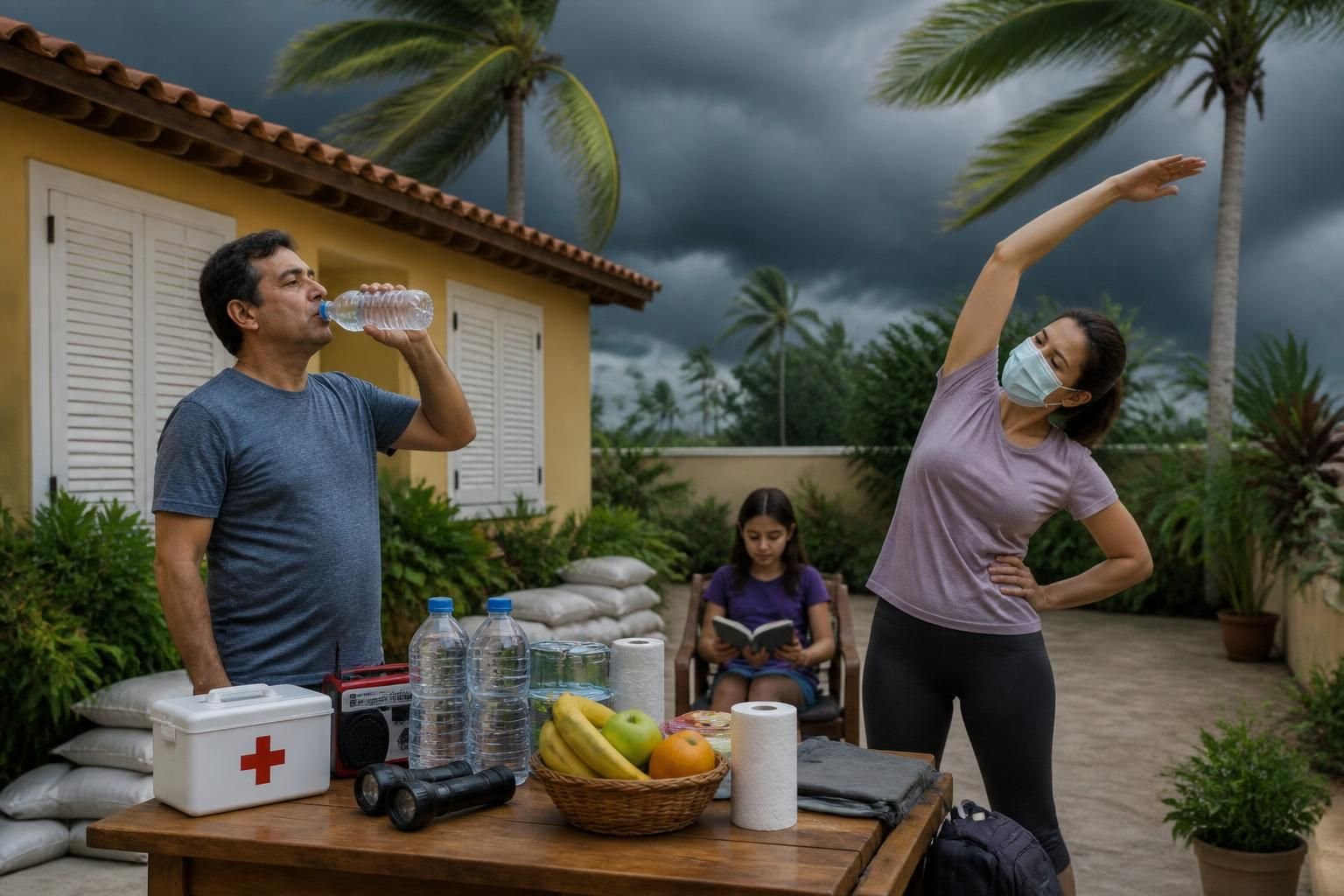

As hurricane season unfolds along Mexico’s vibrant coasts, especially in the Riviera Maya, travelers and locals alike embrace a heightened focus on health, safety, and wellness. This period, spanning from June to November with a peak between August and October, brings unique challenges that go beyond mere weather preparedness. Recognizing how essential it is to stay one step ahead of nature’s moods, the integration of hurricane safety protocols with comprehensive health tips sets the stage for a resilient and enjoyable experience in this stunning region. Visitors can no longer rely solely on the allure of sun-drenched beaches and lush jungles; instead, they must weave storm preparedness, hydration strategies, and mental health awareness firmly into their travel plans.
In 2026, the intersection of medical insight and natural disaster readiness has never been more critical in Mexico. The ongoing collaboration between U.S. and Mexican health authorities intensifies efforts to safeguard travelers against the twin threats of tropical storms and related health concerns like vector-borne diseases. From packing a well-stocked emergency kit to staying alert to weather alerts, every precaution serves to maintain wellness amid unpredictable weather. This is particularly important amidst evolving climate patterns that heighten hurricane intensity and frequency, prompting a new era of travel mindfulness where staying healthy and safe is as much about the environment as it is about the individual.
Moreover, an often overlooked element in storm preparedness is mental health—a pillar of wellness essential for facing the stress and uncertainty hurricanes can induce. Whether adjusting plans, navigating evacuation routes, or managing quarantine protocols during storm events, emotional resilience plays a crucial role. This article explores these interconnected facets deeply, offering indispensable strategies that empower visitors to Mexico to thrive even during hurricane season.
Key points to keep in mind:
- Hurricane safety: Understanding season timelines and creating a solid evacuation plan are foundational.
- Emergency kit essentials: Prioritized lists help prepare for swift action when storms threaten.
- Health tips: Including vaccination updates, insect protection, and food and water safety.
- Hydration and sun protection: Vital countermeasures against heat and storm-related dehydration.
- Mental health awareness: Techniques for stress management during emergencies.
- Utilizing local resources and weather alerts: Staying informed through official channels enhances safety.
- Travel wellness destinations: Guidance for choosing locations in Mexico best suited to health goals during hurricane season.
Hurricane Safety and Storm Preparedness in Mexico: Building a Resilient Travel Plan
Staying safe during Mexico’s hurricane season begins with awareness and proactive planning. The Caribbean and Pacific coasts experience heightened storm activity, with the Riviera Maya notably vulnerable due to its geographical position. Understanding the hurricane season’s rhythm—June through November, with a focus from August to October—enables travelers to anticipate periods of increased risk. For example, a traveler planning their 2026 visit can significantly reduce dangers by choosing dates outside this peak window or ensuring comprehensive preparedness if visiting during these months.
A critical element of storm preparedness is developing a detailed evacuation plan. This includes identifying nearby safe shelters, understanding local evacuation routes, and coordinating with accommodations to clarify their protocols. Often, resorts have their own well-rehearsed emergency strategies, but having personal knowledge enables travelers to act swiftly if official recommendations evolve during a rapidly changing storm scenario. Moreover, communication plans are essential—arranging how to stay in contact with family or friends and ensuring devices are charged and functional at all times.
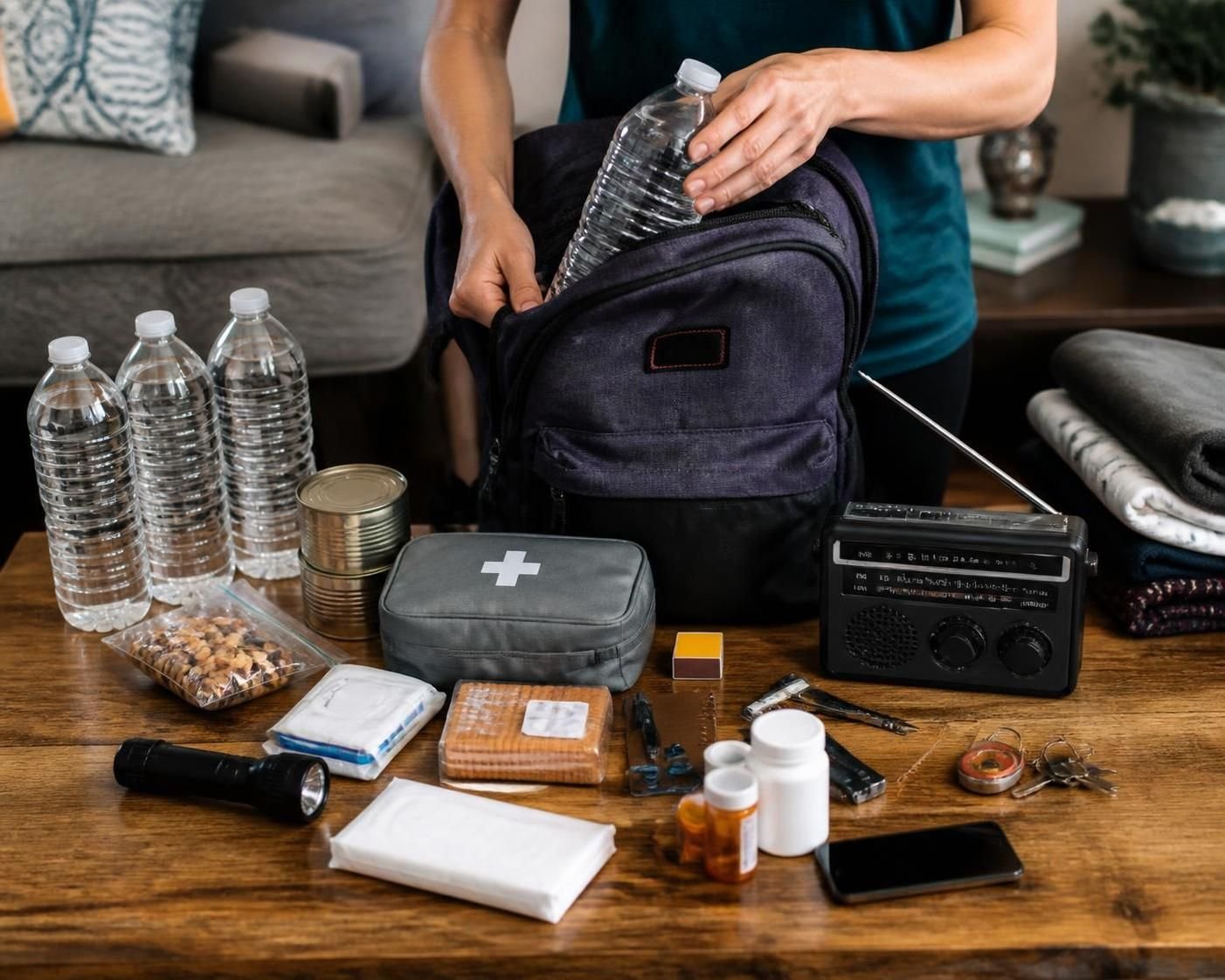
To bolster resilience against sudden weather shifts, assembling an emergency kit tailored for hurricane conditions is indispensable. This kit should include essentials like non-perishable foods, bottled water, flashlights with extra batteries, first aid supplies, necessary medications, and copies of important documents such as passports and travel insurance. Including a portable phone charger and weather radio ensures continuous access to critical weather alerts, enhancing one’s ability to respond calmly and effectively. Travelers can consult local sources or embassy guidelines to customize their kit for regional specifics.
Local governments and tourism boards frequently provide timely weather alerts through official apps and broadcasting services. Staying connected to these sources is one of the smartest approaches for visitors to Mexico. Real-time updates allow for adjustments in plans, sometimes necessitating last-minute evacuations or changes in itinerary, ensuring personal safety and peace of mind. Understanding the local emergency communication framework helps bridge language barriers and enables faster access to assistance if needed.
For many visitors, integrating hurricane safety within an overall wellness framework means thinking beyond physical preparedness to include the mental health aspect of dealing with storms. The uncertainty and disruptions hurricanes bring can trigger anxiety or stress, especially when traveling far from home. Practicing mindfulness, having access to mental health resources, and staying connected with support networks form an essential triad for emotional wellness. Maintaining routines such as meditation, breathing exercises, or engaging in hobbies can provide grounding during these challenging times.
Vaccinations, Insect Protection, and Food Safety: Essential Health Tips for Traveling in Mexico
Ensuring wellness during hurricane season in Mexico demands vigilant attention to health risks that are unrelated to storms but often heightened during this time. Traveling to tropical coastal areas increases exposure to mosquito-borne diseases such as Dengue, Zika, and Chikungunya, which are concerns particularly during rainy seasons when mosquitoes breed abundantly. The CDC recommends that travelers apply insect repellent containing DEET or picaridin, wear long sleeves and pants during dawn and dusk, and seek accommodations with air conditioning or adequate mosquito screens.
Alongside insect protection, staying up-to-date with essential vaccinations is crucial. Recommended vaccines for travelers to Mexico include Hepatitis A, Typhoid, and Rabies, based on individual activities and regions visited. For instance, those venturing beyond resort areas to rural or jungle destinations should strongly consider these vaccines to prevent infections transmitted through contaminated food, water, or animal bites. The timing of vaccinations matters; it’s advisable to consult with healthcare providers well before departure to complete any multi-dose schedules.
Food and water are frequent sources of illness for travelers. Adhering to stringent food safety practices helps maintain health and avoids disruptions caused by stomach infections. This means favoring reputable restaurants rather than street food vendors, although local street cuisine is tempting and often part of the cultural experience. If indulging in street food, select vendors with visible hygiene standards. Always drink bottled or purified water, and avoid ice cubes made from tap water.
Hydration is doubly important during hurricane season as the combination of hot tropical weather and potential power outages can lead to dehydration and heat-related ailments. Drink plenty of clean fluids, use electrolyte supplements as needed, and avoid excessive alcohol or caffeinated beverages that worsen dehydration. Wearing sunscreen and protective clothing complements these measures by reducing sunburn risk and preventing heatstroke, common in coastal Mexico’s intense sun.
To balance health with exploration, travelers can consult specialized wellness resources providing insight into areas best suited for health-conscious visitors during hurricane season. For instance, comparing options like Akumal and Tulum can reveal environments that align better with individual wellness objectives. You can discover more about these destinations by visiting destination wellness comparisons, a valuable tool for planning a stay that nurtures body and mind amid seasonal challenges.
Hydration and Sun Protection Strategies During Mexico’s Hurricane Season
Amid hurricane safety and wellness concerns, prioritizing proper hydration and sun protection remains a cornerstone of health in Mexico’s warm climate. The formulas for maintaining vitality during this season are deceptively simple but require conscious effort: sufficient water intake, protective clothing, sunscreen application, and respite from direct sun exposure during peak hours.
Heat exhaustion and sunburn can exacerbate the stress of storm preparations and complicate evacuation processes. That’s why travelers often underestimate how essential it is to preemptively combat these risks. Wearing wide-brimmed hats, UV-blocking sunglasses, and lightweight, breathable fabrics can dramatically reduce skin exposure while facilitating comfortable mobility. Broad-spectrum sunscreens with SPF 30 or higher should be applied liberally and reapplied regularly, particularly after swimming or sweating.
Hydration involves replenishing fluids lost through sweating and preventing the dry mucous membranes that reduce immune defense. In storm situations where electricity may be out and water access intermittent, having ample bottled water in the emergency kit is vital. Such preparation prevents medical complications that could otherwise necessitate hospitalization, derailing travel plans and compounding stress.
This strategy harmonizes with wider travel wellness advice, encouraging visitors to stay physically active but mindful of heat exposure. Frequent breaks in shade, consuming hydrating fruits, and limiting strenuous activity during midday elevate overall resilience. For those fascinated by holistic wellness, guidance like wellness tips from Playa del Carmen capture unique insights on balancing vibrancy with rest, crucial during hurricane season.
Emergency Preparedness and Mental Health Awareness: Navigating the Challenges of the Hurricane Season
The physical aspects of hurricane safety often overshadow the psychological dimension, yet mental health is equally vital for true wellness. Facing the looming uncertainty of storms while in an unfamiliar country can induce anxiety and stress, especially for those traveling with family or those managing health conditions. Preparing mentally involves acceptance, planning, and stamina.
Establishing an emergency kit is not merely a practical checklist but also a tool for psychological comfort. Knowing you have essentials ready fosters calmness and confidence. Including items like comfort foods, favorite books, or soothing music can help alleviate stress during periods of confinement or power outages. Creating a communication plan to stay in touch with loved ones acts as an emotional lifeline when external circumstances become overwhelming.
Understanding and utilizing local mental health resources is another layer of care. Mexico offers various avenues for support, with many resorts and community centers incorporating wellness programs that address emotional well-being. Practicing mindfulness and relaxation techniques before and during travel builds a strong foundation for managing the natural stressors of hurricane emergencies.
Evacuation plans should also be rehearsed mentally and practically to reduce panic and confusion. Knowing how to act during rapid weather changes reinforces a sense of control, which is calming in itself. Preparing to adapt plans while maintaining a positive outlook helps transform a potentially traumatic experience into a manageable challenge.
By combining practical preparations with mental health strategies, travelers equip themselves to face extreme weather with resilience and grace, maintaining wellness beyond the physical sphere.
Role of Travel Insurance and Access to Local Health Resources for a Worry-Free Trip
Another critical pillar in hurricane season wellness planning involves securing comprehensive travel insurance. This shields travelers from potentially devastating medical expenses and emergency evacuations. Policies should cover not only injuries or illnesses but also unexpected trip cancellations or delays linked to storm events. Ensuring coverage for pre-existing conditions is also wise, especially given the unpredictability of travel during hurricane season.
Equally important is researching local health facilities and understanding how to access care if needed. Mexico offers a range of high-quality hospitals and clinics, many of which cater specifically to international visitors. Regions like the Riviera Maya are known for integrating wellness tourism with reliable healthcare infrastructure, making timely treatment accessible during emergencies.
Below is a comparison table showcasing critical aspects travelers should evaluate when preparing for hurricane-season travel to Mexico:
| Preparation Aspect | Key Recommendations | Benefits |
|---|---|---|
| Emergency Kit Essentials | Non-perishables, bottled water, medications, first aid, weather radio | Immediate readiness, access to supplies during outages |
| Vaccinations | Hepatitis A, Typhoid, Rabies, routine immunizations | Protection from common travel-related diseases |
| Insect Protection | Use of DEET repellent, screened accommodations, protective clothing | Reduces risk of mosquito-borne illnesses like Dengue and Zika |
| Travel Insurance | Comprehensive medical and trip disruption coverage | Financial security and peace of mind |
| Mental Health | Mindfulness, communication plans, access to support | Emotional resilience during stress and emergencies |
Incorporating these elements helps ensure a trip that prioritizes safety without sacrificing the famous Mexican charm. For a deeper understanding of when to visit to balance wellness and weather, check out expert advice about the best time to visit Riviera Maya for wellness.
Which vaccinations are most important before traveling to Mexico?
It is advisable to have vaccinations for Hepatitis A, Typhoid, and Rabies, along with routine immunizations such as MMR and DTaP. Consultation with a healthcare provider enables a personalized plan based on your itinerary.
How can travelers protect themselves from mosquito-borne diseases during hurricane season?
Use insect repellent with DEET or picaridin, wear long-sleeved and light-colored clothing during peak mosquito activity times, stay in screened or air-conditioned accommodation, and avoid standing water. Pregnant women should consult doctors about risks like Zika virus.
What should be included in a hurricane emergency kit for a trip to Mexico?
An emergency kit should have sufficient bottled water, non-perishable food, flashlights with extra batteries, first aid supplies, necessary medications, copies of documents, and a weather radio or devices to receive weather alerts.
Why is mental health important during hurricane season travel?
Storm-related disruptions can cause anxiety and stress. Mental health practices such as mindfulness, having communication plans, and access to local support help maintain emotional well-being and resilience during emergencies.
Is travel insurance necessary for hurricane season visits to Mexico?
Yes, comprehensive travel insurance providing medical coverage and protection against trip interruptions ensures financial security and access to healthcare during unforeseen events related to hurricanes and other emergencies.