The ancient Maya civilization, renowned for its architectural marvels and sophisticated calendar, equally excelled in the realm of natural healing. Their profound knowledge of the medicinal properties of over 1,500 plants has stood the test of time, proving remarkably effective through the lens of modern science. Rooted deeply in a holistic worldview that integrates physical health, spiritual harmony, and environmental understanding, Mayan healing herbs offer powerful natural remedies that resonate with today’s wellness seekers. As modern society looks beyond conventional pharmaceuticals, the revival of these ancient practices invites us to rediscover holistic healing that honors the intricate balance between body, mind, and spirit.
Key Highlights:
- The Maya identified more than 1,500 medicinal plants, many now validated by contemporary research.
- Mayan medicine combines herbal therapy with spiritual and ritual practices for comprehensive wellness.
- Traditional healing practices from Mesoamerica are increasingly embraced as alternatives to conventional medicine.
- Herbs like cacao, chili pepper, and agave form the cornerstone of Mayan natural remedies with verified health benefits.
- Incorporation of holistic principles such as energy balance and spiritual harmony enhances the efficacy of these healing methods.
Unveiling the Ancient Wisdom of Mayan Healing Herbs: A Holistic Health Approach
The ancient Maya civilization, which thrived in regions now known as southern Mexico, Guatemala, Belize, and Honduras, amassed an extraordinary botanical pharmacopeia. The key to their healing success was not merely the plants they used but how they intertwined this herbal knowledge with an intricate understanding of the body, spirit, and universe. Unlike isolated symptom treatment prevalent in Western medicine, Mayan healing herbs were applied as part of a broad holistic framework aimed at restoring balance and harmony.
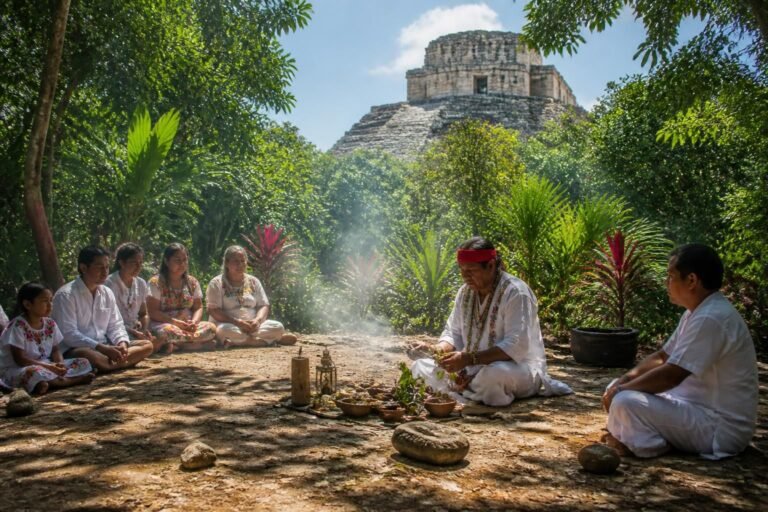
For instance, the role of the ah-men, or Maya healers, extended beyond herbalists; they were spiritual guides who diagnosed ailments by looking for imbalances within the mind-body-spirit triad. The perception was that physical symptoms were manifestations of disruptions in one’s spiritual or emotional well-being. Healing herbs were thus part of a multi-dimensional therapy that could include ritual ceremonies, sweat baths (temazcal), and bone-setting.
The diversity of herbs used reflects this nuanced understanding. Plants like cacao were revered not only for their stimulant and mood-enhancing effects but also for their spiritual significance. Similarly, chili peppers were applied for their analgesic and digestive properties, while agave served as a natural anti-inflammatory remedy. Modern research increasingly supports these applications, identifying antioxidant compounds in cacao and anti-inflammatory phytochemicals in agave that contribute to overall wellness and pain relief.
Critically, the Maya never viewed healing simply as a physical process. The herbs were embedded in their cultural rituals which often involved fasting, prayer, and offerings, thereby elevating the healing process to one of spiritual renewal. This holistic approach remains highly relevant today, especially for those seeking natural remedies that enhance wellness beyond symptom suppression.
Scientific Insights into the Health Benefits of Traditional Mayan Herbal Medicine
The leap from ancient herbal wisdom to modern science is perhaps one of the most compelling narratives of Mayan healing herbs. Over centuries, the Maya meticulously cataloged plant uses, which today aligns closely with evidence-based phytotherapy. According to the Mesoamerican Medicinal Plant Database (MAMPDB), there are over 12,500 documented applications for 2,188 plant species utilized by these indigenous communities, demonstrating their extensive botanical expertise.
Modern scientific inquiry has confirmed many of these plants’ efficacy. For example, cacao’s rich antioxidant profile supports cardiovascular health and enhances mood, while chili peppers’ active compound, capsaicin, is widely recognized for its pain-relieving and metabolic benefits. Agave, traditionally used for wound healing and inflammation, has recently attracted attention for its promising anti-inflammatory compounds.
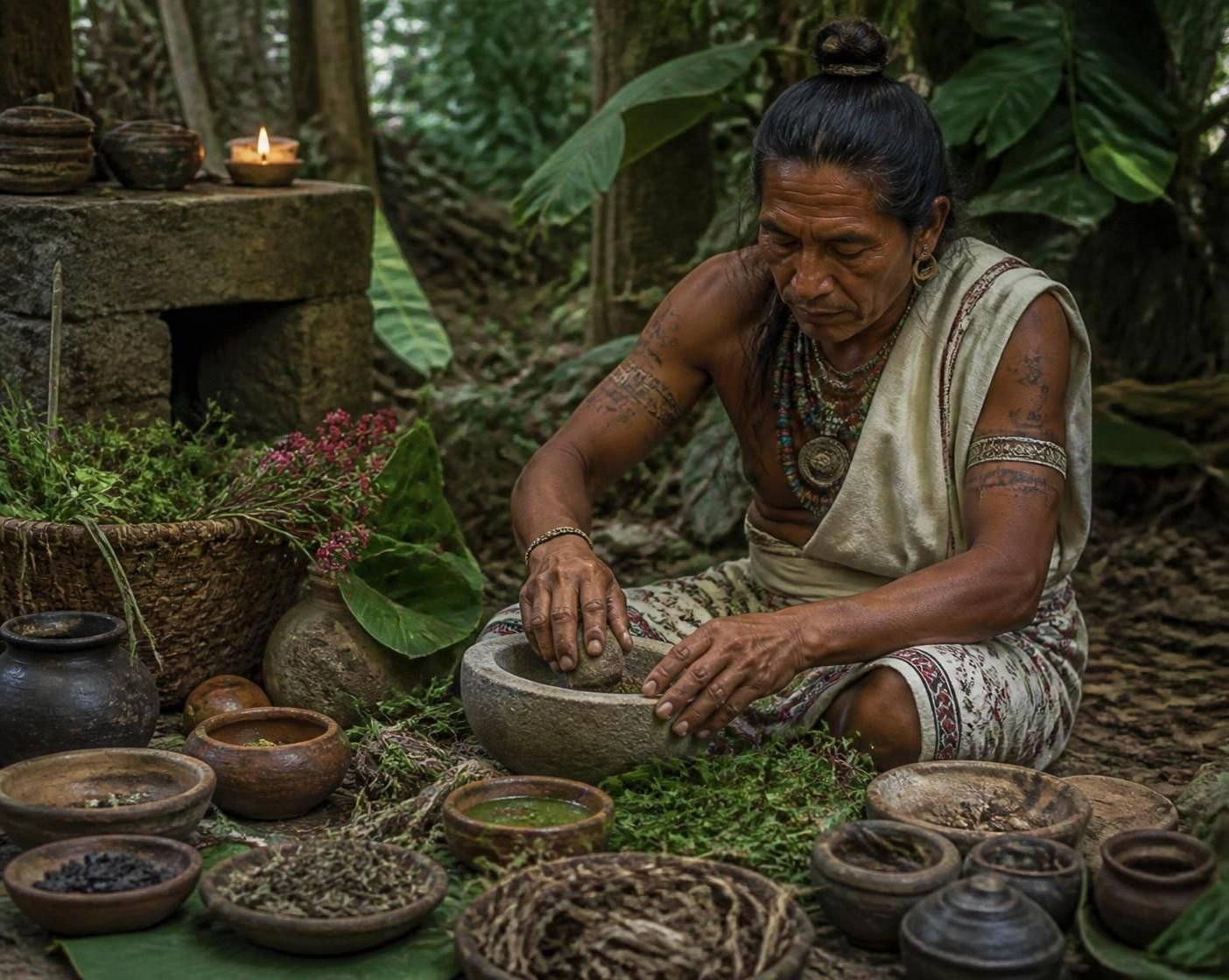
Yet, Maya herbal therapy was not without its cautions. Certain plants like tobacco held ritual importance but also carried risks due to their toxic or addictive properties. The careful and knowledgeable use of such herbs ensured safety while maximizing therapeutic benefits. This ancient system’s intricacy is mirrored in how healers prepared treatments—ranging from poultices and teas to steambaths infused with herbs, which collectively synergized to enhance healing outcomes.
| Herbal Plant | Traditional Use | Modern Scientific Validation |
|---|---|---|
| Cacao | Energy booster, mood enhancer | Confirmed antioxidant and cardiovascular benefits |
| Chili Pepper | Pain relief, digestive aid | Supported analgesic properties via capsaicin |
| Tobacco | Wound healing, ritual use | Mixed; medicinal but with health risks |
| Agave | Anti-inflammatory, wound treatment | Promising anti-inflammatory effects in preliminary studies |
Incorporating these findings into wellness today means exploring the many ways Mayan medicinal plants can contribute to natural healing programs, especially when combined with holistic lifestyle choices. You can learn more about related Mayan wellness practices such as the temazcal ceremony in the Riviera Maya, which complements herbal therapies through sweat purification and spiritual renewal.
The Spiritual and Ritual Dimensions of Mayan Herbal Healing Practices
Mayan healing herbs are inseparable from the rich spiritual ceremonies that frame their use. Healing, from the Maya worldview, involves restoring balance not only in the physical body but also within the soul and community. This symbiotic relationship between natural remedies and ritual practice differentiates traditional medicine from mere herbal use.
Key elements of healing rituals commonly included fasting, calendrical divination to select auspicious days, incense burning, offerings to spirits, and communal festivities after the healing rites. Such ceremonies were orchestrated by the ah-men, who wielded ancient knowledge of both botanical science and spiritual lore. The physical application of herbs was often accompanied by prayer and dance, transforming the healing process into a holistic experience that nurtured wellbeing on multiple levels.
Today, these rituals endure among indigenous communities and have inspired hybrid wellness practices in contemporary spa culture. For instance, the integration of herbal therapy with Mayan massage techniques has proven especially popular in Riviera Maya wellness retreats, offering guests a profound connection to Mayan heritage while promoting health benefits grounded in tradition. Discover more about these transformative therapies in the context of Mayan holistic healing in this insightful exploration of ancient Mayan massage techniques.
The role of breathwork and meditation within these ceremonies was pivotal. Practitioners emphasized mindful breathing to facilitate energy flow, a concept central to Mayan energy balance. This not only enhanced the physiological effects of the herbs but also helped individuals achieve deeper spiritual harmony, reinforcing the inseparability of mind, body, and soul in their healing philosophy.
Integrating Mayan Herbal Remedies and Holistic Healing into Modern Wellness
Contemporary interest in Mayan healing herbs is more than a nostalgic nod to ancient culture; it is a conscious shift towards embracing holistic and natural remedies that honor the interconnectedness of health dimensions. Integrating these age-old herbs into modern wellness routines can enhance outcomes, especially when combined with traditional bodywork like massage, steam therapy, and meditation.
For instance, incorporating herbal infusions and poultices derived from Mayan plants can complement therapeutic massage practices, targeting inflammation, relaxation, and energy balance. The use of sweat baths (temazcal) remains a profound detoxification and rejuvenation tool. These integrative practices reflect the Maya’s comprehensive take on health, where physical treatment, environmental harmony, and spiritual cleansing coalesce.
When staying in the Riviera Maya, consider embracing a wellness itinerary that includes holistic Mayan therapies, combining plant-based natural remedies, massage, and ritual bathing to rejuvenate both mind and body. Insights into crafting such immersive experiences can be found in carefully curated guides like the wellness weekend itinerary in Tulum.
Labels like “natural” and “holistic” often get overused, but the Mayan approach delivers a rigorous, integrative healing system that has been practiced for millennia and continues to evolve. Transitioning to these holistic practices can address the rising demand for effective, side-effect-free therapies, fulfilling modern needs through the wisdom of the past.
Essential Mayan Healing Herbs and Their Practical Applications in Wellness Today
Understanding key Mayan healing herbs and their uses offers practical pathways to enrich your health routine. Here are some of the most notable herbs and their traditional applications, intertwined with how they can enhance modern-day holistic healing:
- Cacao: Used traditionally for energy and mood enhancement. Today, its antioxidant properties support cardiovascular health and emotional wellbeing.
- Chili Pepper: Valued for pain relief and digestion. Its capsaicin content is a staple in modern topical analgesics.
- Agave: Applied for inflammation and wound care, its emerging research suggests potent natural anti-inflammatory benefits.
- Tobacco: Though medicinal in traditional contexts, it requires cautious use due to health risks. Its ritual role underscores the spiritual dimension of healing.
- Peyote and Mushrooms: Used as entheogens for spiritual healing and consciousness shifts, highlighting the Maya’s integration of mind-expanding herbs.
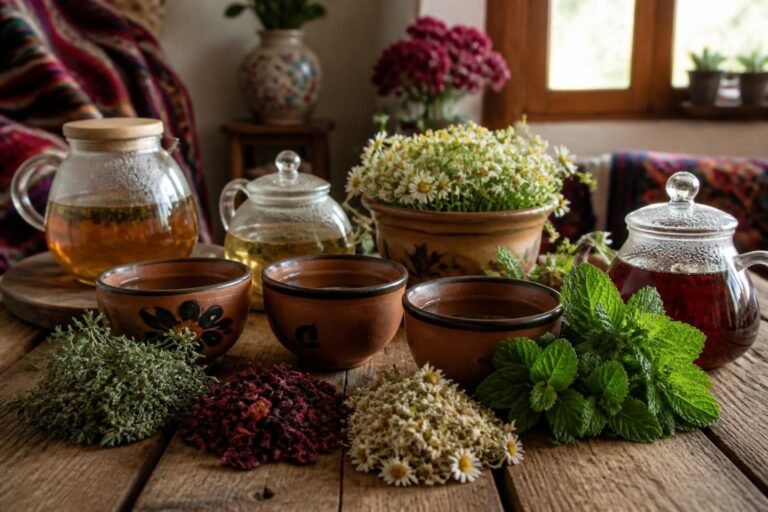
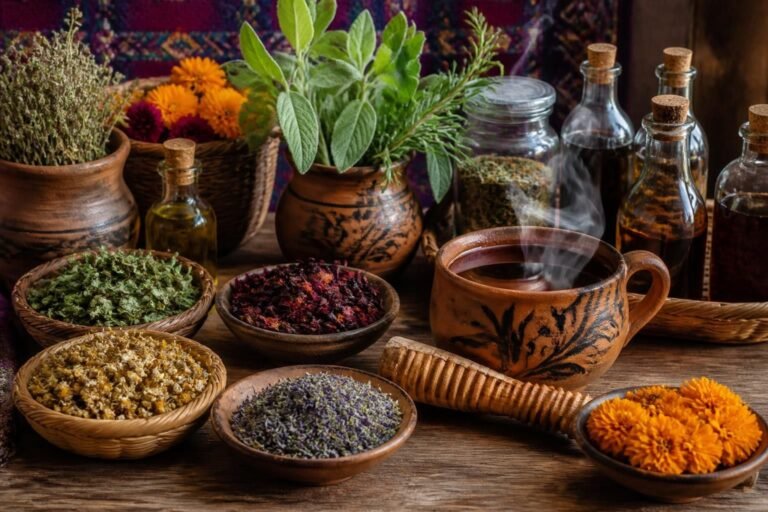
- Herbal Baths and Infusions: Methods like poultices and teas optimize the delivery of these herbs, enhancing absorption and effects.
The following table summarizes these herbs and their legacy in wellness:
| Herb | Traditional Use | How It Enhances Modern Wellness |
|---|---|---|
| Cacao | Energy, mood, spiritual ceremonies | Cardiovascular antioxidant, stress reduction |
| Chili Pepper | Analgesic, digestive support | Topical pain relief, metabolic support |
| Agave | Inflammation, wound healing | Natural anti-inflammatory, skin repair |
| Peyote | Spiritual healing, consciousness | Meditative and therapeutic applications |
| Herbal Baths | Sensory relaxation, purification | Detoxification, enhanced absorption |
By integrating these traditional herbs in everyday wellness, you open yourself to the rich legacy of Mayan healing. Practices like personalized abdominal massage using Mayan techniques can further support health and wellbeing, improving circulation and energy flow, as explored in this resource about the healing power of Mayan abdominal massage.
What makes Mayan healing herbs unique compared to other traditional medicines?
Mayan healing herbs are unique due to their holistic use within an integrated system combining physical, spiritual, and environmental health. Their long history and ongoing use in indigenous communities showcase their sustained effectiveness.
Are Mayan herbal remedies safe to use in modern wellness?
Many have been validated through scientific research, but it’s important to follow expert guidance. Some plants like tobacco require caution due to potential health risks. Using herbs as part of a comprehensive wellness practice is recommended.
How can I incorporate Mayan healing herbs into my health regime?
You can incorporate them through herbal teas, topical applications, and by supporting holistic therapies like massages, temazcal baths, and ritual practices that promote energy balance and spiritual harmony.
Do Mayan healing practices still exist today?
Yes, many Mayan communities maintain these traditions, and they are increasingly integrated into wellness tourism, especially in the Riviera Maya region, making ancient healing accessible to modern practitioners.
Can Mayan herbal medicine help with stress and emotional health?
Absolutely; many Mayan herbs like cacao are prized for their mood-enhancing and stress-relieving properties, often used in combination with spiritual rituals that promote emotional well-being and balance.