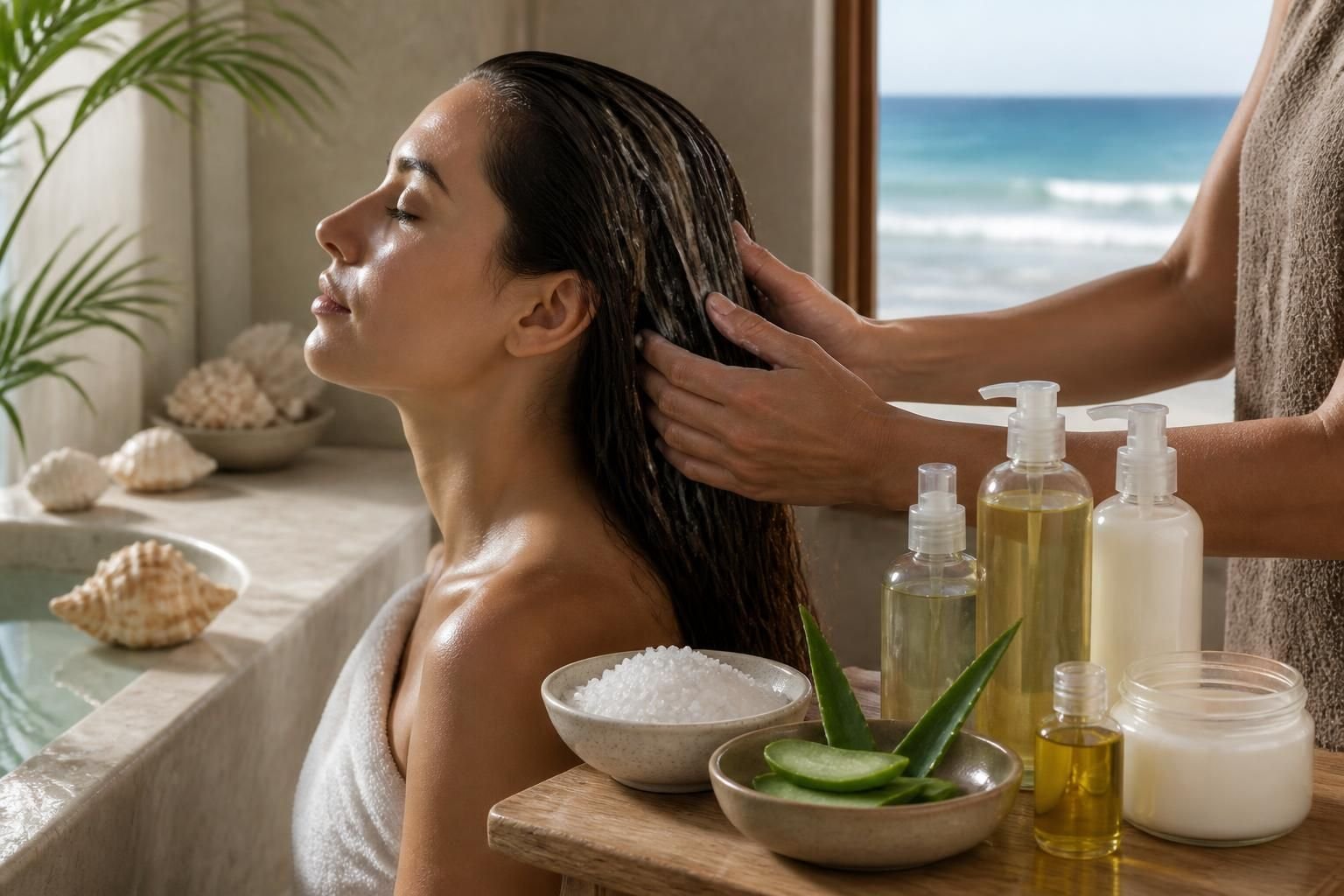

Salt water exposure, common in coastal regions like the Riviera Maya, can leave your hair feeling dry, brittle, and damaged. While the salty ocean waves offer refreshing escapes and stunning beach days, they also expose your hair to harmful elements that strip natural oils and weaken strands. For those committed to preserving luscious, healthy locks after every seaside adventure, understanding salt water damage and effective hair treatments is essential. This guide unfolds expert advice and practical solutions to restore hair vitality and prevent further harm, ensuring you can enjoy the beach without sacrificing the beauty of your mane.
Briefly:
- Salt water depletes natural oils, causing dryness and fragility in hair.
- Sunlight and chlorine often compound damage, making comprehensive hair care necessary.
- Deep moisturizing and bond-building treatments are crucial for hair restoration.
- Pre-swim care, such as wetting hair with fresh water, helps with damage prevention.
- Using sulfate-free, nourishing products enhances the effectiveness of post-swim hydrating treatments.
Understanding How Salt Water Causes Hair Damage and the Science Behind It
Salt water seems like pure nature, but its interaction with hair is anything but gentle. When hair comes into contact with salt water, it initiates a complex process of dehydration and protein damage. Hair strands are coated with natural oils called sebum, which protect the cuticle and maintain moisture balance. Salt water effectively washes away these oils, leaving hair exposed and vulnerable.
Deprived of sebum, the hair cuticle becomes raised and porous, leading to increased moisture loss into the environment. The result? Hair feels rough, brittle, and prone to splitting. Beyond just drying effects, salt crystals can cling to the hair shaft and cause further abrasion every time the strands move. This mechanical irritant accelerates wear and tear on hair fibers.
Additionally, for individuals with chemically treated or color-treated hair, salt water poses an extra threat. The delicate structure altered by dyeing or bleaching is more fragile, and salt accelerates fading by stripping color molecules from the hair cortex. Studies examining UV exposure alongside salt water exposure show synergistic damage; ultraviolet rays from the sun degrade the hair’s keratin, compounding the drying effect of salt water.
The Role of Salt Water in Hair Protein Breakdown
Hair is primarily composed of keratin, a tough fibrous protein. Prolonged salt water exposure breaks down keratin bonds, weakening the structural integrity of the hair. This process diminishes elasticity and increases breakage risk.
Experts emphasize using treatments that rebuild the hair’s internal bonds, such as bond-building therapies. These treatments facilitate molecular repairs and fortify hair resilience after salt water immersion.
Preventive Measures to Shield Hair from Salt Water Damage
Before heading to the beach or pool, hair experts advise saturating hair with fresh water. Wet hair absorbs less salt and chlorine, reducing dry-out effects. Applying a protective leave-in conditioner or hair sunscreen forms a barrier against salt crystals and UV rays. Incorporating these steps into your routine is a game-changer in damage prevention.
Best Hair Treatments to Restore Hair After Salt Water Exposure
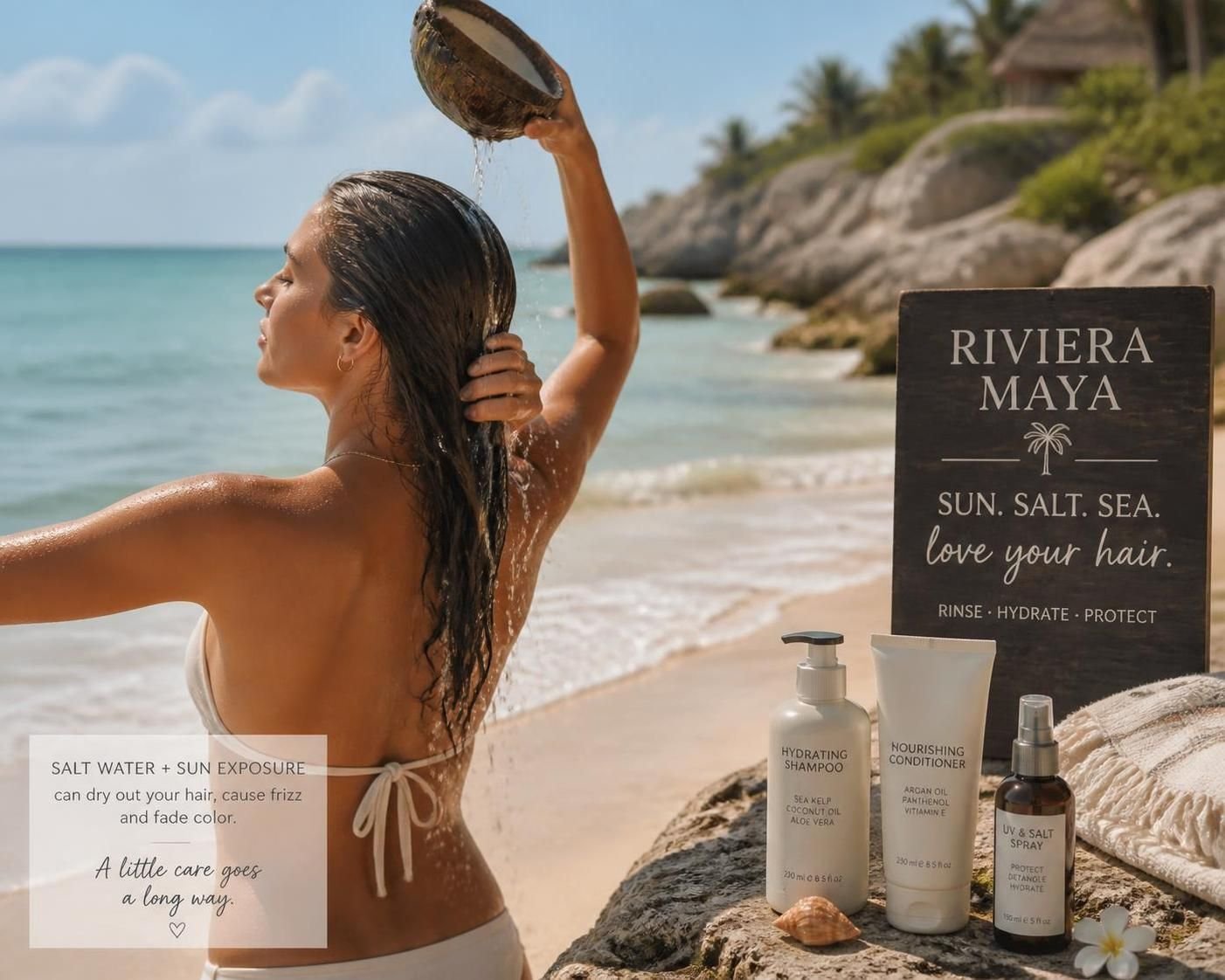
After a day of swimming in salt water, rescue your strands with targeted hair repair treatments designed to replenish moisture and rebuild strength. Professional stylists in coastal spa and massage resorts emphasize two critical phases: cleansing and deep conditioning.
Cleansing with a gentle sulfate-free shampoo eliminates salt residue without stripping hair further. Avoid shampoos laden with harsh detergents or parabens, as these aggravate dryness and dullness.
Next, hydrating treatments perform the essential role of restoring lost moisture and smoothing the cuticle. Hair masks infused with rich oils and proteins create a restorative shield, combating frizz and brittleness.
Top Recommended Products and How They Work
- Bond-building treatments: Incorporate products like OLAPLEX No. 3 PLUS, which help mend and strengthen hair bonds from within, improving softness and shine in just minutes.
- Rich hydration masks: Such masks lock in moisture for up to five washes, promoting frizz control and reducing breakage, ideal for medium to thick hair types.
- Weightless nourishing masks: Formulated for fine to medium hair, these masks provide lightweight hydration and volume without weighing hair down.
- Leave-in conditioners and hair sunscreens: Ongoing protection after washing continues to shield hair from UV rays and environmental stressors typical in beach climates.
Implementing these treatments regularly can transform brittle, lifeless strands into luscious, resilient locks ready for your next sun-soaked excursion.
Advanced Strategies for Long-Term Hair Care in Salt Water Environments
While immediate post-swim care is vital, cultivating a long-term strategy ensures your hair remains healthy no matter how often you enjoy salt water activities. Incorporate weekly deep-conditioning sessions and periodic trims to manage split ends, preventing breakage propagation.
Hairstylists emphasize avoiding excessive heat styling during the summer months, as heat compounds existing damage from salt and sun. Allow your hair to air dry whenever possible and opt for protective hairstyles like loose braids that minimize tangling and friction in the water.
Hydrating and Nourishing Regimens for Different Hair Types
Understanding your hair type is crucial in tailoring the most effective hair treatments. For curly hair, moisture retention is key, making rich protein masks and oils indispensable. Straight or fine hair benefits from lightweight formulas that hydrate without heaviness.
Regular scalp massages enhance natural oil production, improving the overall scalp environment and hair growth. Mobile spa services, particularly popular in the Riviera Maya, offer expert scalp care combined with tailored hair restoration therapies, providing an immersive way to combat environmental damage on all levels. For more about adding spa treatments to your hair care routine, explore how mobile spa services can enhance your Tulum itinerary.
Practical Tips to Maintain and Revitalize Hair Post Salt Water Exposure
Implementing routine care strategies helps you fight the visible and invisible signs of salt water damage effectively. Here are expert-approved guidelines:
- Rinse hair immediately after swimming with fresh water to remove salt and chlorine residue.
- Use sulfate-free, moisturizing shampoos and conditioners to restore softness.
- Regularly apply bond-building treatments to repair and maintain hair strength.
- Incorporate weekly deep-conditioning or hydrating masks tailored to your hair type.
- Protect hair before exposure with leave-in conditioners or sprays that include UV protection.
- Avoid heat styling and opt for protective hairstyles that reduce tangling.
- Trim hair every 6-8 weeks to prevent split ends and maintain healthy hair.
This consistent approach to hair care not only helps repair damage but also prevents future deterioration, promoting a radiant, healthy look throughout beach seasons.
Table: Comparative Benefits of Salt Water Hair Treatments
| Treatment Type | Primary Benefit | Suitable Hair Type | Application Frequency |
|---|---|---|---|
| Bond-Building Treatment | Repairs keratin bonds, strengthens hair | All hair types | 1-2 times per week |
| Rich Hydrating Mask | Deep moisture retention, frizz control | Medium to thick hair | Once weekly |
| Weightless Nourishing Mask | Light moisture and volume boost | Fine to medium hair | Once weekly |
| Leave-in Conditioner with UV Protection | Prevents salt and sun damage | All hair types | Before and during sun exposure |
How does salt water specifically damage hair?
Salt water removes the natural oils protecting your hair strands, leading to dryness, brittleness, and increased breakage. It also leaves salt crystals that cause mechanical damage to hair fibers.
What are the most effective treatments for repairing salt water damaged hair?
Using bond-building treatments combined with rich moisturizing hair masks and sulfate-free shampoos helps restore strength and hydration to damaged hair.
Can protecting hair before swimming reduce damage from salt water?
Yes, wetting hair with fresh water and applying leave-in conditioners or hair sunscreens act as barriers to prevent salt penetration and reduce damage.
How often should I use hydrating hair masks after salt water exposure?
For best results, incorporate hydrating masks once weekly, tailored to your hair type, to maintain moisture and prevent frizz.
Are there special spa services that help with hair restoration in beach areas?
Mobile spa services in the Riviera Maya offer specialized scalp massages and hydrating treatments that enhance hair restoration and overall scalp health.