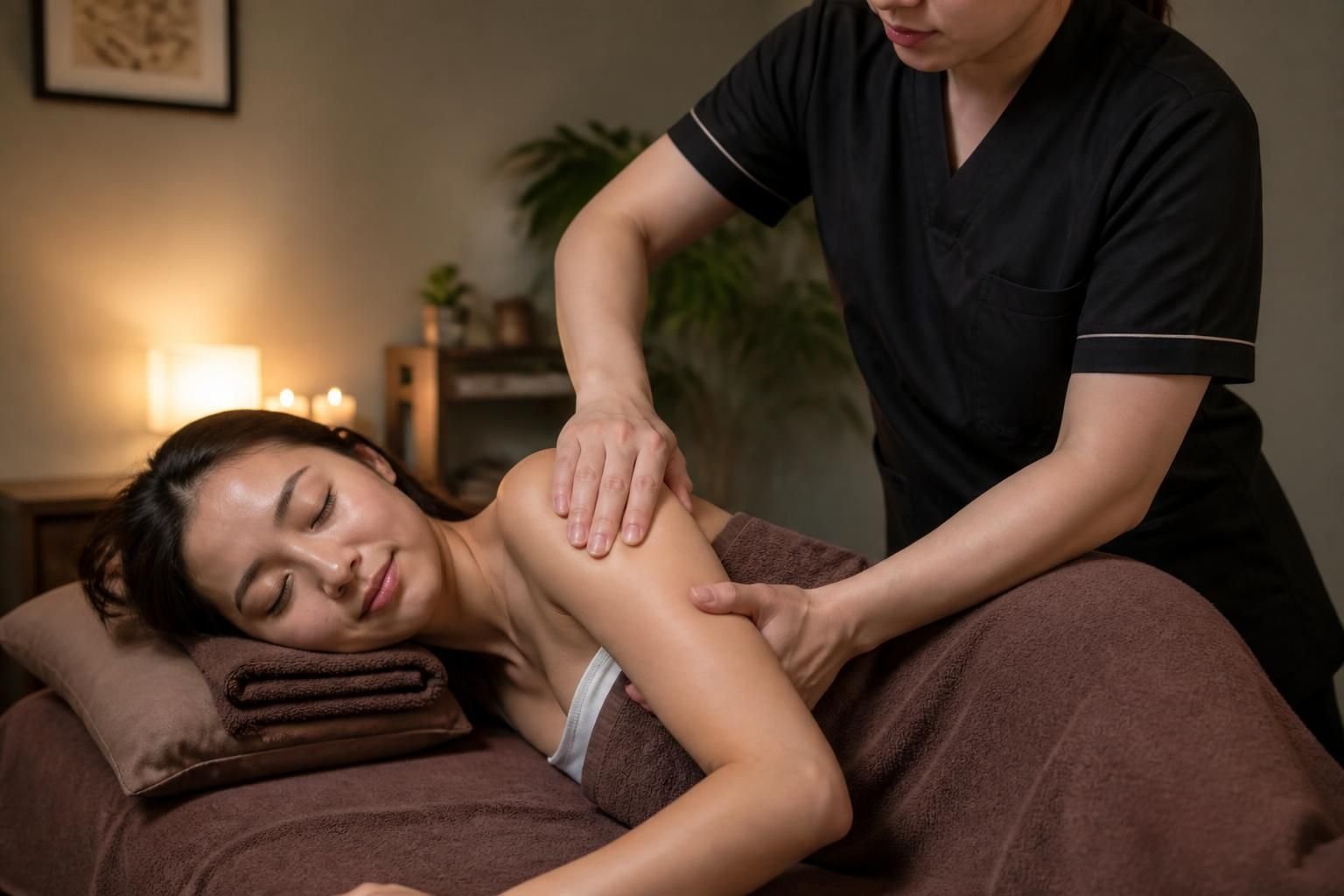

Frozen shoulder, medically known as adhesive capsulitis, is a condition marked by shoulder stiffness, pain, and a gradual loss of joint mobility. The frustration it causes can greatly impact daily life, making simple movements like reaching or dressing a painful challenge. Fortunately, massage therapy has emerged as a powerful tool for shoulder pain relief, offering an avenue to reduce muscle tension and improve joint function without invasive procedures. As the prevalence of sedentary lifestyles and desk-bound occupations increase, understanding effective massage techniques for frozen shoulder becomes essential for pain management and rehabilitation.
The intricate structure of the shoulder means that effective massage for frozen shoulder goes beyond mere muscle relaxation. It targets specific trigger points and focuses on restoring the range of motion with rehabilitative exercises complementing manual therapy. In many modern Riviera Maya spas and wellness centers, therapists employ evidence-based methods tailored to the stages of frozen shoulder, ensuring personalized and stage-appropriate treatment that enhances recovery while minimizing discomfort. Integrating massage with physical therapy encourages muscular balance and joint mobility, which sustains long-term shoulder health.
Deep knowledge of the underlying biochemical processes, such as how contracted motor endplates trap calcium and acetylcholine leading to painful muscle knots, allows therapists to apply precise ischemic compression techniques. These targeted interventions alleviate pain and stiffness effectively when combined with passive stretching and patient education. This comprehensive approach not only addresses symptoms but also tackles the root causes of frozen shoulder pain, ultimately promoting better outcomes and empowering patients to engage actively in their care.
With evolving clinical guidance and technological advances like massage guns and portable tables enhancing treatment efficacy and accessibility, therapeutic massage remains at the forefront of non-invasive interventions for frozen shoulder relief. The growing body of research and practical application reveals a nuanced understanding that distinguishes the stages of frozen shoulder and adequately balances manual therapy with rehabilitative exercises to ensure sustained pain management and functional restoration.
In this piece, we delve into the most effective massage techniques for frozen shoulder relief, uncover their physiological basis, explore stage-specific protocols, and highlight the importance of addressing trigger points and perpetuating factors. This insight is crafted for those seeking practical solutions, combining expert knowledge with actionable recommendations to ease shoulder pain and reclaim mobility.
Key Takeaways:
- Frozen shoulder requires stage-specific massage approaches for best results.
- Effective massage techniques, including ischemic compression and passive stretching, target muscle knots and improve joint mobility.
- Understanding biochemical causes of muscle trigger points ensures precise pain management.
- Massage therapy complements physical therapy and rehabilitation exercises for sustainable recovery.
- Self-care protocols using simple tools enhance muscle relaxation and prevent recurrence.
Understanding the Biochemical and Physiological Basis of Frozen Shoulder and Muscle Knots
Frozen shoulder is not solely about stiffness; it’s a complex interplay between the joint capsule’s fibrosis and secondary muscle guarding, with significant biochemical factors lodged deep within muscle fibres. At the center of muscle knots, or myofascial trigger points, lie contracted zones where an over-accumulation of acetylcholine and calcium sustains muscle contraction. This chemical imbroglio starves muscle fibers of oxygen, leading to local ischemia and buildup of pain-inducing metabolites such as lactic acid, bradykinin, and substance P.
These muscle knots, often mistaken as toxic deposits, are in fact areas of physiological distress. The sustained contraction prevents normal calcium reuptake and ATP regeneration, keeping the muscle locked in painful spasm. Understanding this drives effective massage technique selection – precision ischemic compression applied at a tolerable pain level breaks the cycle of contraction by normalizing biochemical signaling and restoring blood flow.
For frozen shoulder sufferers, this knowledge transforms treatment. Instead of applying generic massage, therapists target specific muscles like the rhomboids, levator scapulae, and rotator cuff muscles that harbor these trigger points. These points contribute heavily to shoulder stiffness and pain by limiting muscle relaxation and worsening joint restriction.
Biochemical insights also clarify why some massage marketing claims—such as “flushing toxins”—are misleading. Metabolites accumulating in knots are natural byproducts of metabolism. Massage helps by enhancing circulation, allowing the body’s own systems to clear these substances through physiological pathways instead of mere “detoxification.”
In over a decade of clinical practice, understanding these molecular mechanics has allowed me to consistently reduce patient recovery times from several months to a few weeks. This biochemical foundation shapes not only how we release trigger points but also how we safeguard against their return through postural corrections and rehabilitation exercises, emphasizing a holistic approach to managing frozen shoulder effectively.
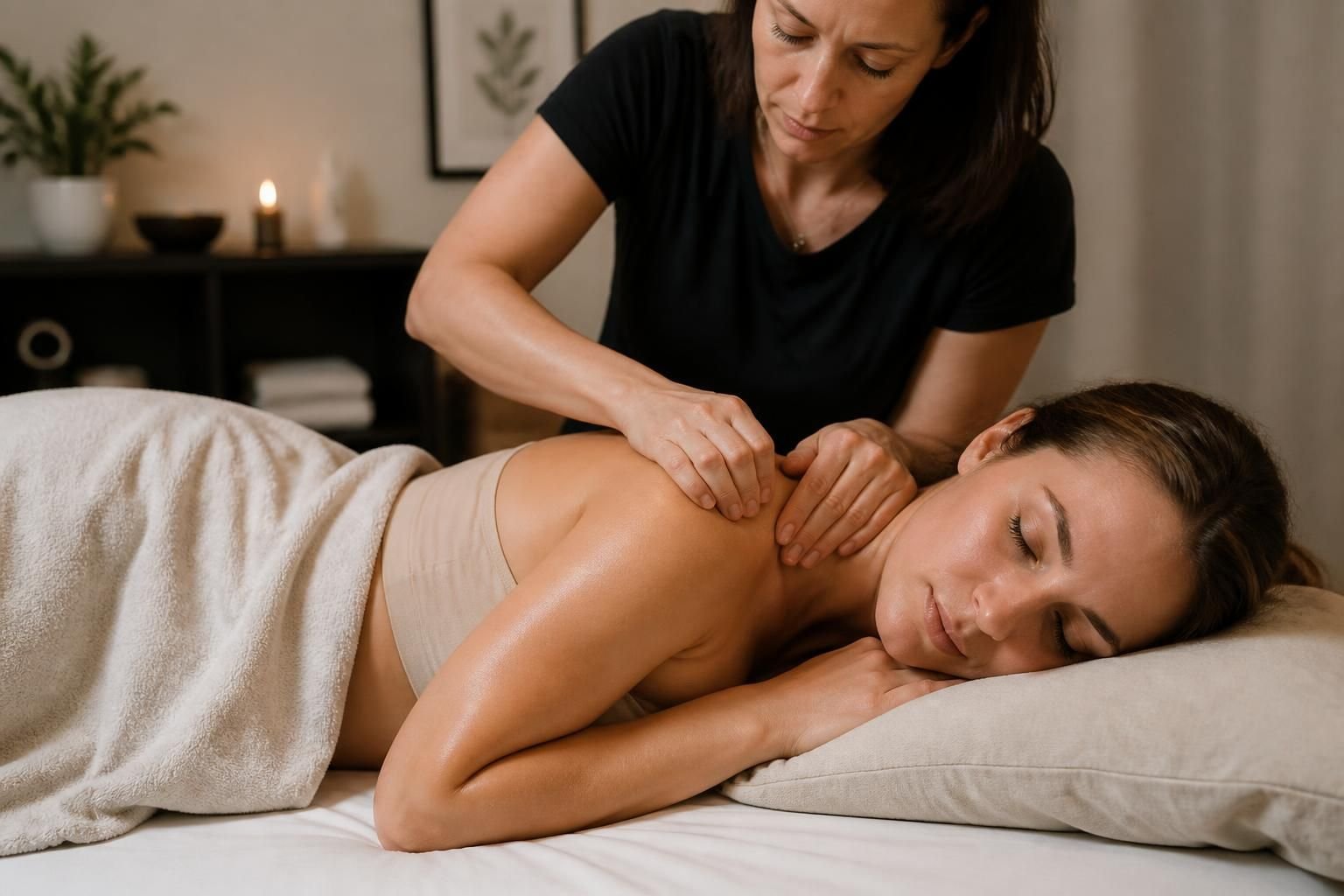
Stage-Specific Massage Therapy Techniques for Frozen Shoulder Pain Relief
Frozen shoulder progresses through three distinct stages: Freezing (acute), Frozen (stiff), and Thawing (recovery). Each stage demands tailored massage therapy to avoid aggravating inflammation while maximizing pain reduction and joint mobility enhancement.
Stage 1 – Freezing Phase (3-9 months): This painful phase is characterized by progressive pain worsening at night and the onset of movement restriction. Here, massage must be gentle and indirect, focusing on compensatory areas like the cervical spine and opposite shoulder rather than the inflamed joint itself. Techniques such as light effleurage, gentle suboccipital release, and thoracic mobilization can help ease tension without provoking inflammation. Hydrotherapy including ice for the affected shoulder and heat on adjacent tissues supports symptom control.
Stage 2 – Frozen Phase (4-12 months): The hallmark of this stage is reduced pain but significant stiffness and loss of shoulder range of motion. Active management through massage becomes pivotal. Therapists use deeper effleurage and petrissage to the rotator cuff muscles, coupled with passive active-assisted range of motion (ROM) exercises incorporated into the massage session. This facilitates capsular stretching and helps maintain as much mobility as pain allows. Soft tissue techniques target muscles such as the subscapularis and infraspinatus to reduce muscle guarding. Heat application before and after massage enhances tissue elasticity.
Stage 3 – Thawing Phase (6-24 months): Gradual return of motion occurs with decreasing stiffness and improving function. Massage therapy here intensifies, focusing on deep tissue work targeted at the infraspinatus, teres minor, and pectoral muscles. Resistance-based strengthening exercises complement manual work to build rotator cuff strength and enhance joint stability. Progressive passive ROM techniques at end-range help remodel capsular fibrosis. This stage also allows for selective trigger point therapy, promoting muscle relaxation and pain relief.
Adhering to this stage-specific protocol not only aligns with the natural healing progression but ensures patients are neither rushed nor neglected, leading to better outcomes, less pain, and a faster return to normal activities. The Registered Massage Therapists’ Association of Ontario’s recent clinical guidance underlines massage therapy’s adjunct role, advocating its integration into multidisciplinary care plans along with physical therapy and exercise prescriptions.
Trigger Point Release and Self-Care Techniques for Shoulder Pain Management
Trigger points behind the shoulder blade contribute significantly to both frozen shoulder pain and general shoulder stiffness. These localized contracted muscle areas restrict movement and produce referred pain patterns, making their release a cornerstone of effective massage therapy and pain management.
Manual Trigger Point Release: The gold standard method involves ischemic compression—applying sustained pressure at a pain intensity of 6 to 7 out of 10 for 8 to 12 seconds, followed by passive muscle stretching. Locating the taut band and the tender nodule requires training, as does modulating pressure to avoid exacerbating symptoms. Common trigger point muscles include the rhomboids, levator scapulae, middle trapezius, and infraspinatus, each with distinctive referral patterns. Repeated gentle compressions during therapy sessions progressively disrupt the cycle of spasm and ischemia, restoring muscle relaxation and improving joint mobility.
Self-Care Techniques: Patients can actively participate in their recovery with simple tools like tennis balls or specialized hook tools such as the TheraCane to perform home trigger point release. For example, positioning a tennis ball between the wall and the rhomboid area and leaning into it for several cycles replicates ischemic compression. Gradual, controlled pressure combined with deep diaphragmatic breathing activates the parasympathetic nervous system, reducing muscle guarding and allowing more effective release.
Consistent execution of self-massage protocols combined with rehabilitative exercises prevents reformation of knots and supports sustained shoulder pain relief. Importantly, patients should be educated on recognizing perpetuating factors such as poor posture, ergonomic deficiencies, and chronic stress, all of which require modification to support lasting recovery.
| Self-Care Tool | Target Muscle | Technique | Limitations |
|---|---|---|---|
| Tennis Ball | Rhomboids, Middle Trapezius | Lean against ball at trigger point, hold 8-12 sec, repeat 2-3 times | Pressure control can be imprecise |
| TheraCane Hook Tool | Levator Scapulae, Upper Trapezius | Apply pressure by hooking tool over shoulder, slow controlled pressure for 8-12 sec | Requires upper body strength and practice |
| Partner Thumb Compression | Any shoulder blade muscle | Partner applies flat thumb pressure guided by patient feedback | Needs communication and safe technique |
Integrating Rehabilitation Exercises with Massage for Long-Term Frozen Shoulder Recovery
While massage therapy effectively addresses muscle tension and trigger points, sustainable relief from frozen shoulder hinges on rehabilitation exercises that restore rotator cuff strength and shoulder joint mobility. Combining manual therapy with targeted exercise forms the backbone of comprehensive pain management.
The 7-Minute Rotator Cuff Solution has gained prominence as a daily maintenance protocol designed to activate the supraspinatus, infraspinatus, teres minor, and subscapularis muscles. It employs controlled, low-load movements such as side-lying external rotation, banded internal rotation, and prone Y-T-W exercises to rebuild muscular balance without overloading sensitive tissues. Supplementary stretches like the doorway pec stretch enhance anterior shoulder flexibility, crucial for correcting poor postural patterns that exacerbate frozen shoulder symptoms.
Progressive passive range of motion (ROM) exercises, such as pendulum swings, also assist in maintaining joint lubrication and preventing capsular adhesion. These exercises should be calibrated to avoid pain, emphasizing slow, steady progress to thaw the frozen joint safely. Incorporating these exercises into patient home care protocols drastically reduces recurrence rate of muscle trigger points and enhances the longevity of massage therapy benefits.
Regular reassessment at intervals ensures that therapy and exercises remain aligned with patient progress. The professional collaboration of massage therapists with physical therapists enriches treatment plans by combining expert manual interventions with precise rehabilitative guidance, accelerating functional restoration and improving quality of life.
Video illustrating practical massage techniques to relieve frozen shoulder pain, enhance blood flow, and improve shoulder mobility through targeted manual work and passive stretching.
Guided tutorial on identifying and releasing shoulder blade trigger points with self-massage tools and therapist-assisted pressure techniques.
What is the best massage technique for frozen shoulder?
Ischemic compression combined with passive stretching tailored to the stage of frozen shoulder provides the most effective relief and improved joint mobility.
Can I massage myself to relieve frozen shoulder pain?
Yes, using tools like a tennis ball or TheraCane can help release trigger points at home, but precise technique and consistent execution are vital for success.
When should massage therapy be avoided for shoulder pain?
Avoid massage during acute inflammation phases, suspected fractures, or when neurological symptoms like numbness or weakness are present without medical clearance.
How do rehabilitation exercises complement massage therapy?
Exercises strengthen rotator cuff muscles, improve joint mobility, and prevent muscle imbalances, supporting the long-term effectiveness of massage therapy in frozen shoulder recovery.
What causes muscle knots behind the shoulder blade?
Sustained muscle contraction caused by postural imbalances, repetitive strain, or stress leads to accumulation of acetylcholine and calcium, creating painful trigger points that massage therapy targets effectively.