The spa industry, especially in vibrant destinations like the Riviera Maya, continues to evolve rapidly, pushing spa owners and mobile therapists to make strategic choices in their equipment investments. One of the most critical decisions is selecting between a massage chair and a massage table for their mobile spa business. Both options present unique advantages related to client comfort, portability, and service versatility, but the right choice often rests on understanding detailed differences in their functionalities and how these align with your business model. In this competitive market, the right equipment not only enhances client satisfaction but also boosts operational efficiency and expands your spa services portfolio.
In this landscape of wellness entrepreneurship, where mobility is increasingly prized, portable massage solutions offer new opportunities. The massage chair provides a convenient option for quick, targeted treatments, especially suited for corporate settings or events, while the massage table remains the gold standard for comprehensive, customizable massages that demand a more immersive experience. As you weigh how each option integrates with your spa business, consider factors beyond just the physical equipment—think about your clientele’s expectations, the variety of treatments you want to offer, and how your brand positions itself in the marketplace. Let’s explore detailed dimensions of these two massage modalities to illuminate which better suits your professional aspirations in 2026 and beyond.
Key points to consider for spa business investment:
- Client comfort: Differentiates based on posture and massage scope.
- Mobility and setup: Impacts daily operation efficiency in a mobile spa context.
- Service range: Determines what types of massages you can offer.
- Space requirements: Influences venue adaptability and storage needs.
- Durability and maintenance: Critical for long-term business viability.
Understanding Client Comfort and Experience: Massage Chair vs Table in Mobile Spa Settings
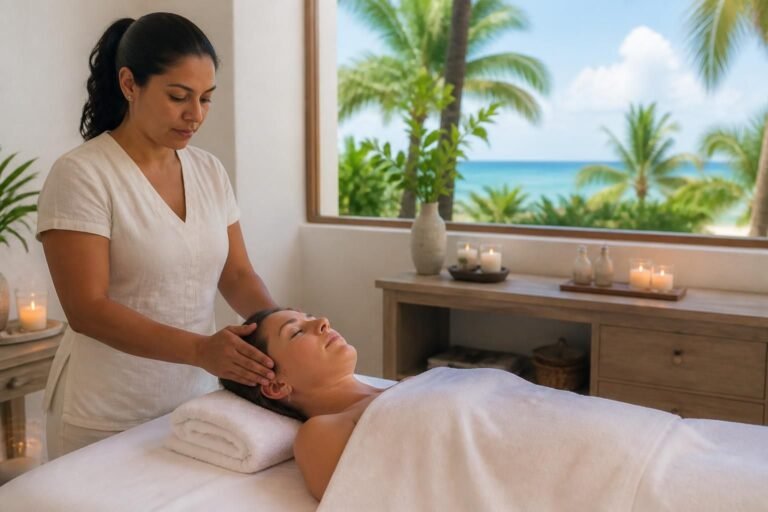
When focusing on client comfort, the distinction between massage chairs and tables becomes apparent through posture and the massage experience each supports. Massage tables allow clients to lie down fully extended, promoting deep relaxation and enabling therapists to access the entire body with greater ease and technique diversity. This supine or prone positioning is ideal for delivering various modalities, from Swedish to deep tissue, making it possible to custom-tailor pressure and focus areas effectively.
Massage chairs, conversely, position clients upright in ergonomic seats designed for easy access to the shoulders, back, neck, and arms. Clients remain fully clothed, which streamlines quick sessions particularly desirable in mobile spa scenarios where time and space might be constrained. Although the experience may feel less immersive than a table massage, chairs excel in offering targeted relief, excellent for corporate wellness programs or events where guests seek rapid tension release rather than a full-body ritual.
Examples from Riviera Maya’s mobile spa businesses reveal that high-end clients booking home visits often prefer the thorough and soothing experience delivered by massage tables, reflecting a preference for deeper relaxation. Meanwhile, chair massages at public venues like airports and office lobbies enjoy immense popularity among travelers and busy professionals needing a swift yet effective recharge.
A critical element of client comfort hinges on the environment’s ambiance. Massage tables are better suited for controlled settings—private rooms or quiet corners in luxury rental properties—where dimmed lighting, ambient music, and space for therapist movement enhance the experience. Chair massages thrive in lively, social environments, facilitating accessible wellness without requiring the privacy or space a full setup demands.
Operational Efficiency and Mobility: How Chair and Table Impact Your Mobile Spa Workflow
From the perspective of business operations, particularly for mobile spa entrepreneurs, the portability and ease of setup of massage equipment are paramount. Massage chairs are widely celebrated for their lightweight aluminum frames and quick assembly, making them a staple for therapists who frequently travel between clients’ homes, offices, or event venues. The compact nature of chairs and their minimal storage footprint enable operators to maximize appointments in a single day without the logistical burden of bulky equipment.
Portable massage tables, while available in many lightweight models, generally require more space and longer setup times. They demand careful handling to preserve padding and frame integrity. Yet, investing in high-quality tables from reliable brands positions your spa business to cater to upscale clients who expect comprehensive treatments. Tables can often be outfitted with accessories such as bolsters, adjustable headrests, and heating pads, enriching the treatment scope but at the cost of increased prep time and transport care.
Many mobile spas in the Riviera Maya combine these tools flexibly according to the location and client type. For example, a mobile spa at a bustling corporate retreat might prioritize chair massages for efficiency, while in luxury rental properties, therapists set up massage tables to deliver tailored wellness experiences. This results-driven equipment comparison highlights how the choice directly affects service delivery and client satisfaction.
When considering long-term business investment, durability becomes a determining factor. Massage tables typically endure heavy use better than chairs, due to their construction and robust padding. For spas focusing on longevity and varied spa services, this makes tables a resilient backbone. Conversely, chair massages allow for rapid client rotation, an advantage for expanding your client base quickly in settings where shorter sessions suffice.
The above video demonstrates how a massage chair can be easily set up within minutes, emphasizing mobility advantages for a bustling mobile spa business.
Expanding Your Spa Services: Customization and Technique Flexibility of Tables vs Chairs
The scope of spa services you can provide heavily depends on whether you invest in massage chairs or tables. Traditional massage tables offer a platform suitable for a mosaic of techniques: deep tissue, sports massage, reflexology, and therapeutic bodywork all require clients to lie down, enabling therapists comprehensive access. This versatility leads to highly customizable sessions that address chronic pain, muscular imbalances, and deeper relaxation goals.
Though limited in physical positioning, massage chairs excel in specific techniques like acupressure and trigger point therapy, focusing on tension typically harbored in the upper back, neck, and shoulders. Such treatments are perfectly suited for short-duration sessions, beneficial for clients seeking relief from the daily grind rather than a full-body experience.
Integrating both options into your mobile spa ventures can be a winning strategy. Offering chair massages for quick office breaks and table massages for full wellness appointments broadens your service palette, enhancing client retention and satisfaction. This approach also symbolizes adaptability — a trait vital for success in today’s dynamic spa industry.
| Feature | Massage Chair | Massage Table |
|---|---|---|
| Client Position | Seated, upright | Reclined, lying face up/down |
| Session Duration | 10-30 minutes | 60-90 minutes |
| Technique Variety | Limited to upper body and focused pressure | Full body, comprehensive therapy |
| Mobility | Highly portable | Portable but bulkier |
| Space Needed | Minimal | Requires dedicated space |
Spas looking to broaden their offerings can consult detailed insights on the differences between hotel spas and private mobile spas to tailor their service strategies effectively at this resource.
Clientele Preferences and Market Positioning for Mobile Spa Entrepreneurs
Understanding your target client base in the Riviera Maya market can decisively influence whether a massage chair or table suits your spa business better. Many luxury vacation rentals seek the indulgent feel of a spa table massage, appreciating the personalized touch and full-body care that matches the premium ambiance. Others, such as corporate wellness programs or airport lounges, favor the convenience and speed of chair massages, aligning with busy lifestyles.
Mobile spa professionals have reported significant business growth by adapting their services to clientele needs, sometimes maintaining a hybrid model where the massage chair serves as an entry point, and table massages act as premium offerings. This dual approach also leverages spa services diversity to cultivate loyalty across different customer segments.
Moreover, insights into the luxury mobile massage experience can further equip spa operators to curate tailored offers, enhancing the perceived value of their services. Clients increasingly seek flexible options that meet their lifestyle rhythms, and your business gains competitive advantage by aligning with trends emphasizing comfort, speed, and customization.
This video explores how premium mobile massage experiences enrich client satisfaction and enhance spa business reputation in high-demand tourism zones.
Investment Considerations: Balancing Cost, Durability, and Business Growth
When evaluating equipment for your mobile spa business in 2026, the decision between massage chairs and tables often boils down to economics and strategic goals. Massage chairs typically require a lower initial outlay, are less costly to maintain, and enable quick client turnover, appealing to startups and therapists expanding their presence rapidly.
Conversely, massage tables represent a significant investment with potential for higher returns through premium service offerings. Their durability supports sustained use, and with quality accessories, tables enhance client comfort and session customization over time. Consider also the market trends toward holistic wellness; clients increasingly demand treatments that necessitate table massages to address complex issues thoroughly.
Some spa owners combine these tools, capitalizing on the unique advantages of each. This mixed equipment strategy mitigates risks and opens diverse revenue streams, crucial for long-term viability. Awareness of the latest trends in portable massage equipment and how they resonate with client expectations in coastal spa markets like the Riviera Maya ensures your investment aligns with emerging demands.
- Massage chair: Best for rapid sessions, events, and on-the-go wellness.
- Massage table: Suited for detailed, personalized therapies in controlled settings.
- Combined approach: Diversifies your offerings, capturing a wider client base.
- Maintenance: Regular care extends the life of both equipment types.
- Client feedback: Incorporate satisfaction surveys to refine your equipment choices over time.
For those considering their options, detailed guidance on booking professional mobile massages in vacation rentals can illuminate how best to capitalize on portable massage opportunities at this insightful article.
What are the primary benefits of massage chairs in a mobile spa business?
Massage chairs offer high portability, quick setup, and are ideal for short, targeted treatments focusing on the back, neck, and shoulders, making them perfect for corporate events and public spaces.
How do massage tables enhance client experience compared to chairs?
Massage tables allow clients to lie down completely, facilitating full-body treatments with a range of techniques and pressure options that deliver deeper relaxation and therapeutic benefits.
Can a mobile spa successfully use both massage chairs and tables?
Yes, combining both allows spas to offer quick relief sessions alongside comprehensive massage therapies, addressing varied client needs and boosting business versatility.
What factors affect the choice between portable massage chairs and tables?
Consider client preferences, treatment types, mobility needs, setup time, space availability, and budget to determine the best fit for your spa business.
Are there specific locations where massage chairs are preferable to tables?
Massage chairs are better suited for busy, public environments like airports and offices where quick, clothed massages are practical, while tables excel in private spa rooms or luxury rentals.