In the modern whirlwind of travel, where the pursuit of ticking off landmarks blurs the essence of the journey, a refreshing approach has taken hold—slow travel. This transformative philosophy challenges the pace of contemporary tourism, inviting travelers to immerse themselves fully in each experience, prioritizing connection, wellness, and intentional presence. Rooted in mindfulness, slow travel is much more than a way of moving through destinations; it is a wellness-driven methodology that promotes a healthier journey by encouraging depth over speed, and quality over quantity.
Slow travel empowers individuals to engage deeply with local cultures, savor moments of tranquility, and honor their own rhythms, cultivating happiness and wellbeing along the way. It offers a path to reduce stress and prevent the burnout typically associated with hectic trips, merging perfectly with the principles of self-care, sustainable travel, and mindful travel practices. Through this philosophy, travelers transform simple journeys into enriching adventures that nourish body, mind, and soul.
Key Highlights of Slow Travel for Wellness
- Intentional Presence: Embracing each moment fully instead of rushing through itineraries.
- Extended Immersion: Prioritizing long stays in one location to foster genuine cultural engagement.
- Wellness Integration: Embedding self-care practices such as spa therapies, mindfulness, and restful routines into travel plans.
- Sustainability: Choosing eco-friendly options that respect local communities and environments.
- Transformative Impact: Encouraging personal growth, stress reduction, and meaningful connections through travel experiences.
Exploring the Origins and Core Philosophy of Slow Travel Wellness
Understanding the slow travel wellness philosophy begins by tracing its roots back to the Slow Food Movement of the 1980s in Italy. This movement challenged the fast-food culture by emphasizing the value of savoring locally sourced, traditional meals. Its emphasis on quality, community, and sustainability extended organically into the broader slow living and slow travel movements, forging a travel approach that emphasizes presence and intention rather than speed and consumption.
Unlike traditional tourism that often reduces travel to a checklist, slow travel encourages mindful travel where engagement with the environment and culture becomes a core intention. Travelers adopting this philosophy cultivate a mode of movement characterized by mindfulness, patience, and respect for places they visit. This outlook nurtures self-care by allowing time for rest, reflection, and emotional renewal—key components for sustaining mental and physical health on the road.
Slow travel transforms the way individuals connect to their surroundings, prioritizing sustainable travel practices that honor ecosystems and reduce environmental footprints. The essence of this philosophy is less about the destination and more about the journey itself—how it encourages presence, balance, and ultimately, a healthier journey.
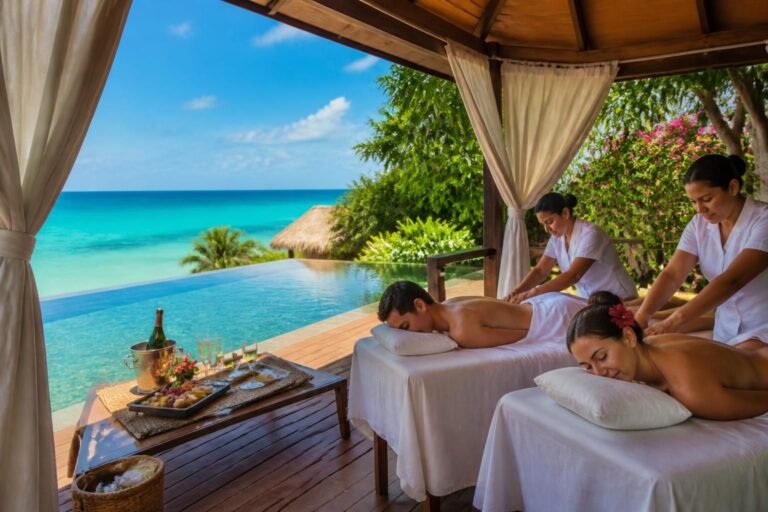
For the wellness-minded traveler, slow travel is a natural extension of living with intention. It invites opportunities for healing therapies such as spa massages, which invigorate the nervous system and reduce travel-induced stress. In regions like the Riviera Maya, for instance, incorporating restorative techniques like lymphatic drainage massage or deep tissue therapy enhances physical wellbeing while supporting a transformational and restorative travel experience. Engaging in wellness practices during travel not only rejuvenates the body but also anchors the traveler in the present moment, deepening the joy and satisfaction derived from each encounter.
Integrating Wellness Travel into Slow Travel: Self-Care as a Travel Philosophy
Wellness and slow travel are intrinsically intertwined. Prioritizing self-care during travel is fundamental for achieving the ultimate wellness benefits, turning ordinary trips into healthier journeys filled with balance and happiness. Wellness travel extends beyond luxury spas; it centers on holistic lifestyle choices made along the way.
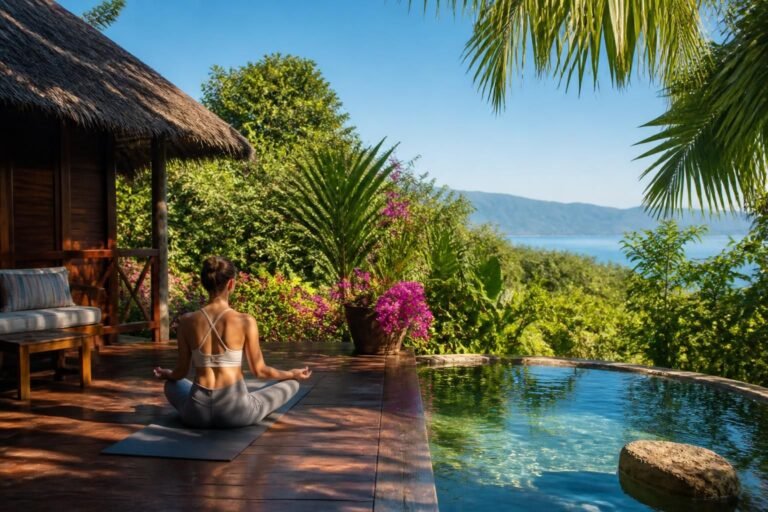
For example, choosing to stay longer in one locale opens up the possibility of engaging with local wellness offerings, such as yoga sessions at dawn, guided meditation by the beach, or traditional healing treatments. Such experiences foster emotional calm and physical renewal, key to reducing travel-related stress and optimizing overall health while exploring new environments.
Integrating spa therapies into your itinerary is especially valuable. Expert massage therapy targeted toward travelers can alleviate muscle tension, ease anxiety, and improve circulation—a crucial remedy for common travel ailments. To learn more about massage therapy for anxiety in Mexico and how it supports the wellness travel experience, visitors can find tailored treatments that harmonize perfectly with the ethos of slow traveling.
Moreover, mindful eating habits, like sourcing fresh local produce and incorporating nutritious meals, become easier with extended stays and slower planning. Such choices deepen the connection to place and support bodily wellness, enriching the travel experience. Slow travel, therefore, is not only a means of sustainable exploration but a practice that aligns perfectly with a holistic wellness journey.
The benefits extend beyond physical health. Mindfulness activities such as journaling, breathwork, or simply taking quiet moments to observe the natural surroundings cultivate emotional balance. Slowing down offers space to hear one’s inner voice away from the distractions and velocity of daily life, making travel a source of renewal and enriched happiness.
Practical Wellness Tips for Slow Travelers
- Schedule spa treatments such as lymphatic drainage for travel-related issues like bloating and jet lag.
- Establish restful morning and evening routines, including meditation or gentle yoga.
- Prioritize walking or cycling to explore areas intimately, promoting gentle exercise and presence.
- Prepare nutritious meals or support local culinary traditions that focus on natural ingredients.
- Allow plenty of unstructured time for spontaneous connection or relaxation.
Practical Approaches to Embracing Slow Travel: Mindful Planning and Cultural Immersion
True slow travel thrives on intentionality. Planning with purpose enhances the quality of the journey and ensures travelers experience authentic cultural immersion. Instead of rushing from site to site, slow travelers spend time in small communities, learn basic language phrases, participate in local customs, and savor everyday moments. This immersive approach transforms travel into a profound, personal exchange rather than quick sightseeing.
Finding fitting destinations is the cornerstone of planning. Places known for their emphasis on wellness and sustainability are ideal for slow travel, especially in the Riviera Maya, where the fusion of pristine natural beauty and rich culture invites deep connection. Locations offering eco-friendly lodgings, community-led tours, and wellness facilities enable travelers to engage responsibly and lovingly with their surroundings.
A deliberate itinerary balances exploration with downtime. Travelers choose a couple of enriching activities per day — such as visiting archaeological sites, attending local workshops, or participating in festivals — allowing space for rest and reflection. This balance accentuates quality over quantity and fosters a genuine emotional connection to the place and its people.
Engaging with locals not only enriches the cultural experience but also offers insights and friendships that linger beyond the trip. Whether joining communal meals, volunteering, or attending cultural events, these connections are hallmarks of slow travel. They transform mere observations into shared stories and authentic travel experiences.
Careful budgeting is also key, as extended stays can reduce costs through rental discounts and home-cooked meals, and favoring sustainable local transport diminishes environmental impact. Using thoughtful planning tools like the wellness day planner in Tulum guides travelers toward experiences aligned with wellness and slow travel principles.
Modes of Slow Travel: From Scenic Train Journeys to Sea Voyages
The medium of travel itself holds transformative potential within the slow travel philosophy. Choices such as train rides, sailing voyages, or scenic road trips provide immersive pathways that allow travelers to engage deeply with landscapes and communities along the way.
Train travel offers a rhythmic, gentle way to appreciate shifting vistas and process the journey ahead. Iconic routes such as the Rocky Mountains in North America or the scenic rails across Europe and Japan enhance the mindful travel experience by encouraging observation and quiet reflection instead of hurried transitions.
Similarly, sailing or boat journeys, like a tranquil felucca trip on the Nile, craft moments of stillness and connection that ground the traveler within the natural and cultural environment. Emerging options such as the Orient Express Silenseas, debuting with sustainable, elegant ocean voyages, maximize this potential by marrying luxury with slow, eco-conscious travel.
Choosing these deliberate modes not only amplifies the environmental benefits of slower transit but enhances the transformative qualities of travel, inviting a deep presence and stress reduction unmatched by quick air travel. This approach aligns harmoniously with the overarching wellness goals of slow travel, enriching the journey both inside and out.
| Mode of Slow Travel | Benefits for Wellness | Example Experiences |
|---|---|---|
| Train Travel | Scenic views, gentle rhythms, time to reflect | Amtrak Rocky Mountain routes, Eurail across Europe, Japanese countryside lines |
| Sailing & Boat Journeys | Connection to nature, calming influence of water, sustainable transport | Feluca sails on the Nile, Mediterranean charters, Orient Express Silenseas voyages |
| Extended Stays | Deep immersion, stress reduction, cost-effectiveness | Monthly apartment rentals in the Riviera Maya, long-term cultural residencies |
Living the Slow Travel Ethos: Building Wellness Every Step of the Way
As slow travel gains traction in 2026, its underlying principle remains unchanged: focus on presence, sustainability, and personal wellbeing. Those who embrace this philosophy report greater satisfaction and sustainable energy on the road. Rather than measuring success by the number of places visited, slow travelers cherish moments that invite introspection, rejuvenation, and genuine social connection.
By weaving wellness into every facet of travel—whether through mindful consumption, restorative spa treatments, or the simple act of savoring a quiet moment—travelers transform vacations into deeply healthier journeys that nurture continuous personal growth. This integration is particularly relevant in the Riviera Maya, where access to expert wellness therapies enhances both the physical and emotional components of travel.
Slow travel encourages adaptability and compassion. It invites travelers to respect local customs, honor their own emotional and physical needs, and engage meaningfully with the places they visit. This mode of exploration ultimately fosters a profound sense of connection, not only to external environments but also to one’s self, transforming travel into a genuine path to wellbeing.
What is the main difference between slow travel and regular travel?
Slow travel prioritizes presence, connection, and wellness by traveling slowly and deeply, rather than rushing through many destinations quickly. It focuses on immersive experiences and self-care to create meaningful journeys.
How can wellness be incorporated into slow travel?
Wellness can be woven into slow travel by scheduling spa treatments, practicing mindfulness, choosing nutritious local foods, and ensuring adequate rest and physical activity throughout the journey.
What are some sustainable travel practices in slow travel?
Slow travel supports sustainability by encouraging longer stays, local transportation, eco-friendly accommodations, and conscious consumption that minimize environmental impact and support local communities.
How does slow travel help reduce stress?
By slowing the pace, reducing excessive planning, and focusing on restorative practices such as mindful walking, spa therapies, and unplugging from technology, slow travel reduces stress and promotes mental and physical wellbeing.
What are practical tips for planning a slow travel wellness experience?
Planning a slow travel wellness experience involves choosing destinations aligned with your wellness goals, booking longer stays, scheduling wellness activities like massages and yoga, and allowing flexible itineraries to honor your energy and needs.