In the lush landscapes of Mexico, steeped in ancient wisdom and natural abundance, herbal teas offer a gateway to relaxation and tranquility. These botanical infusions, deeply rooted in Mexican heritage, provide not just a comforting ritual but potent soothing blends that invite the body and mind to unwind. As the modern world accelerates, the resurgence of these natural remedies brings a timeless antidote to stress and anxiety, blending tradition with therapeutic efficacy. From chamomile fields to passionflower vines, the diversity and richness of Mexican herbs create unique tea blends cherished for their calming properties. This journey into herbal teas for relaxation in Mexico reveals not only their historical significance but also practical ways to incorporate these natural wonders into our daily lives.
Key takeaways:
- Traditional Mexican herbs like passionflower, chamomile, and linden have been used for centuries to encourage relaxation and stress relief.
- Herbal teas include natural compounds that support the nervous system and promote restful sleep.
- Different soothing blends cater to diverse relaxation needs, from calming the mind to easing muscle tension.
- The ritual of brewing and enjoying tea blends enhances the mind-body connection essential for effective relaxation.
- Modern wellness trends in Mexico increasingly embrace natural remedies integrating cultural traditions with contemporary lifestyles.
Exploring Traditional Mexican Herbal Teas for Relaxation and Stress Relief
Mexico’s tradition of herbal remedies is a tapestry woven with the knowledge of indigenous peoples and Aztec healing practices, where herbs were central to spiritual and physical wellness. The landscape of herbal teas in Mexico offers a diverse palette of calming herbs specifically chosen to promote relaxation and stress relief. These teas harness the natural properties of plants such as passionflower, chamomile, lavender, lemon balm, and valerian root to soothe frazzled nerves and quiet an overactive mind.
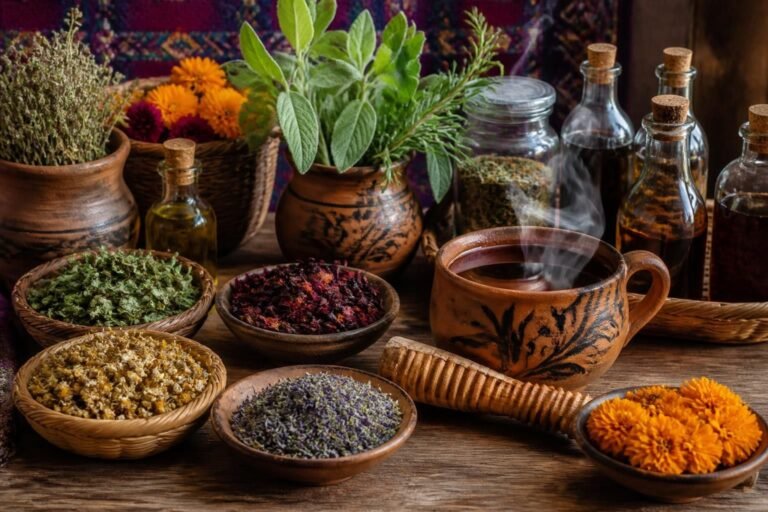
Passionflower, known as one of the best natural relaxants, is widely regarded in Mexico for its ability to reduce anxiety and promote restful sleep. By steeping dried passionflower leaves in hot water, a delicate yet effective tea emerges that helps the nervous system unwind after the day’s demands. Chamomile, often regarded as the quintessential calming herb, brings mild sedative effects and can soothe restlessness and tension when shared during an evening ritual. Mexican tradition also celebrates lavender’s fragrant flowers, which when brewed into tea or diffused as essential oil, craft an aromatic retreat that calms the senses and reduces stress.
Beyond these individual herbs, there are also renowned traditional blends like „Relax Herbal Tea,“ which combines several botanicals including Flor de Tila (Linden Flower), Hoja de Zapote, Muerdago (Mistletoe), Palo Brasil, and Tumba Vaquero. These blends create synergies where the antioxidant-rich compounds and flavonoids work together to support emotional balance and encourage a deeper, more restorative sleep. The linden flower, in particular, is treasured for its ability to calm the nervous system and is often the backbone of soothing Mexican tea blends. Leafy herbs like zapote leaf add gentle neuroprotective effects, making such blends comprehensive natural remedies for anxiety and tension.
Integrating these herbal teas into daily life not only offers therapeutic benefits but also connects one to centuries of Mexican health traditions, enriching modern wellness practices. The simple act of brewing a cup becomes a mindful experience, grounding and centering the individual in the moment.

The Science Behind Herbal Teas: How Mexican Herbs Promote Deep Relaxation
Scientific exploration into the properties of Mexican herbs involved in herbal teas reveals a robust profile of bioactive compounds that nurture the nervous system and foster relaxation. These herbal teas contain flavonoids, polyphenols, essential oils, tannins, and alkaloids that together facilitate calming physiological effects and reduce the impact of stress.
For example, the flavonoids found in chamomile interact with receptors in the brain to produce mild tranquilizing effects, which soothe anxiety and encourage sleep. Passionflower contains gamma-aminobutyric acid (GABA) that helps regulate mood by reducing neural excitability, effectively acting like a natural tranquilizer. Similarly, valerian root is known for its sedative compounds that promote deep and restful sleep, making it especially useful for those who struggle with insomnia caused by stress.
In the case of traditional multi-herb blends like Relax Herbal Tea, the cumulative antioxidant effects further assist in mitigating stress-related oxidative damage to cells. The combination of Mistletoe, Palo Brasil, Linden Flower, and other botanicals contributes to nervous system support and balanced emotional responses. Research highlights how these natural flavonoids and polyphenols help stabilize mood by modulating neurotransmitters, while also supporting cardiovascular health and reducing inflammation often heightened during stress.
The preparation method itself—steeping dried herbs in hot water—facilitates the release of these calming compounds, and the warmth of the tea contributes additional comfort. Regular consumption of such teas can create an adaptive response, helping individuals manage stress more effectively over time. In 2026, wellness experts increasingly recognize the value of these sachets of nature, blending tradition and science to forge natural remedies that truly work.
Table: Key Mexican Herbs Known for Relaxation
| Herb | Primary Relaxation Property | Traditional Use | Active Compound(s) |
|---|---|---|---|
| Passionflower | Anxiety reduction, sleep promotion | Tea from dried leaves; calming nervous tension | GABA, flavonoids |
| Chamomile | Mild sedation, anti-anxiety | Infusion from flowers; soothe restlessness | Apigenin, flavonoids |
| Linden Flower (Flor de Tila) | Nervous system relaxation, sleep support | Tea infusion; reduce agitation and insomnia | Flavonoids, polyphenols |
| Lemon Balm | Anxiety relief, mood stabilization | Tea made from dried leaves; refreshing calming effect | Rosmarinic acid, flavonoids |
| Valerian Root | Strong sedative for sleep | Simmered root infusion; treatment for insomnia | Valerenic acid, sesquiterpenes |
Tips for Brewing the Perfect Relaxation Tea Blend
- Use fresh or properly stored dried herbs for maximum potency and flavor.
- Steep herbs in water just off boiling point to avoid bitterness.
- Allow proper infusion time (usually 5–10 minutes) depending on herb strength.
- Add natural sweeteners like honey or agave to enhance taste without overpowering the calming effects.
- Incorporate a mindful breathing routine while enjoying your tea to deepen relaxation.
Incorporating Herbal Tea Rituals into Modern Mexican Wellness Culture
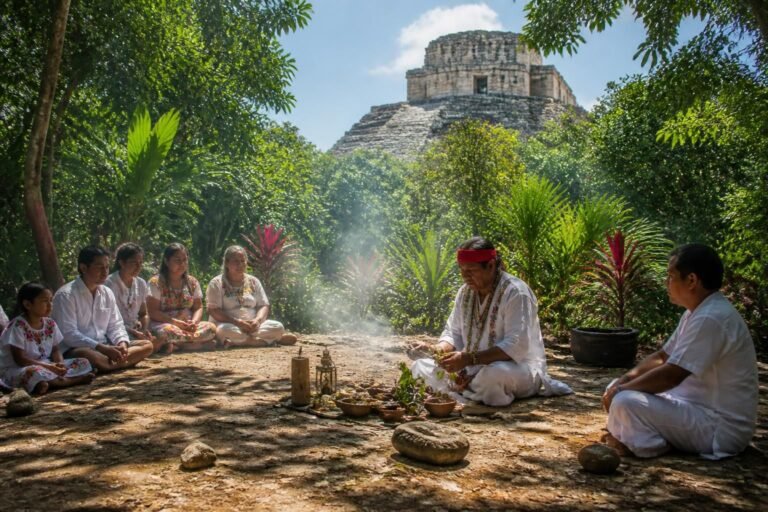
As Mexico’s wellness tourism flourishes in 2026, particularly in the Riviera Maya region, herbal teas have become an essential element of holistic relaxation experiences. Locals and travelers alike embrace these gentle blends not only for their flavor but for their capacity to unwind the mind and body in an authentically cultural way. Wellness retreats, spa days, and luxury accommodations increasingly offer herbal tea ceremonies where soothing blends are paired with traditional massage techniques and healing rituals.
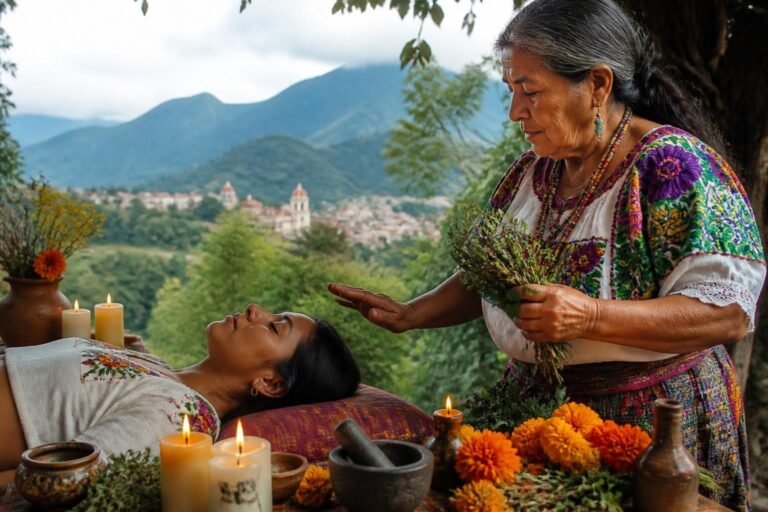
For example, pairing soothing herbal teas with a Mayan sobada massage intensifies the relaxation benefits by simultaneously addressing muscular tension and mental stress. The synergy between Mayan healing therapies and calming herbs creates a comprehensive approach to wellness, rooted in age-old Mexican traditions.
Moreover, Mexican herbal teas complement other culturally significant self-care practices such as curanderismo, which integrates spiritual wellness with medicinal botany. Visitors to wellness resorts often find that a session of sipping lotus-yellow linden flower or passionflower tea serves as a gentle prelude or aftercare to energy-cleansing rituals, fostering emotional balance and stress relief.
These practices also inspire lifestyle changes beyond the resort environment. Many locals and international visitors incorporate these natural remedies into their daily self-care routines, valuing the profound connection between nature and inner peace. This modern embrace of herbal teas as part of a balanced wellness routine intertwines with Mexico’s growing reputation as a top destination for stress relief and rejuvenation.
Creative Soothing Tea Blends: Customizing Herbal Teas for Personalized Relaxation
While traditional recipes provide a solid foundation, customizing herbal tea blends allows individuals to target specific relaxation needs. By combining different Mexican herbs, it’s possible to enhance the calming effects or tailor the flavors to one’s preference.
For example, a blend intended for nighttime stress relief might combine valerian root for deep sedation with chamomile and lemon balm for mood stabilization and gentle soothing. Alternatively, a mid-afternoon relaxation blend could mix passionflower and lavender flowers to calm anxiety without causing drowsiness. Such blends exemplify how Mexican herbs can be adapted to suit the moment’s needs.
Exploring local markets in Mexico reveals a vibrant array of herbs that invite creative combinations. Ingredients like espino blanco (white hawthorn) lend antioxidant support, while palo brasil introduces an earthy undertone to the blends. Integrating these botanicals adds complexity and additional therapeutic benefits.
Here are five calming herb blends popular in Mexico for relaxation:
- Seven Blossoms Blend: Passionflower, valerian, linden, orange blossom, lemon balm, chamomile, and espino blanco.
- Relax Herbal Mix: Mistletoe, palo brasil, linden flower, tumba vaquero, and zapote leaf.
- Classic Chamomile-Lavender Tea: Equal parts dried chamomile and lavender for soothing aroma and mild sedation.
- Nighttime Sleep Tea: Valerian root combined with lemon balm and passionflower to ease into restful slumber.
- Midday Calm Tea: Passionflower and lemon balm blend for peaceful alertness and anxiety reduction.
Experimenting with these combinations allows tea lovers to fine-tune their relaxation rituals and discover the unique power of Mexican herbal teas at home.
Integrate Soothing Mexican Herbal Teas into Your Daily Self-Care Routine
The power of herbal teas in promoting relaxation goes beyond just drinking a warm beverage. It is about creating a mindful, intentional moment that restores balance in a hectic day. To maximize the benefits of herbal teas, consider the following strategies:
- Set a regular time each day for tea rituals to signal the body and mind to slow down and relax.
- Create a serene environment with soft lighting, comfortable seating, and calming sounds or scents, like lavender essential oil diffused nearby.
- Practice mindful awareness while sipping tea—focus on the aroma, taste, and warmth to cultivate presence.
- Complement tea sessions with gentle stretching, meditation, or traditional Mexican massages, such as those featured in this expert guide on therapeutic massage techniques for relaxation.
- Use tea blends strategically: choose blends tailored to your needs, whether to reduce daytime anxiety or support nighttime sleep.
Adopting such a holistic approach not only amplifies the calming effects of herbal teas but also fosters a deeper connection to the natural Mexican heritage of these plants. This synergy of tradition, nature, and modern wellness can lead to lasting stress relief and enhanced emotional well-being.
What are the most calming Mexican herbs used in teas?
The most calming Mexican herbs include passionflower, chamomile, linden flower, lemon balm, and valerian root, each offering unique benefits for relaxation and stress relief.
How do herbal teas help with stress relief?
Herbal teas contain compounds like flavonoids and GABA that interact with the nervous system to reduce anxiety, promote restful sleep, and ease muscle tension.
Can I create my own herbal tea blends at home?
Absolutely! By combining herbs such as chamomile, passionflower, and lemon balm, you can customize tea blends tailored to your personal relaxation needs.
Are Mexican herbal teas safe for daily consumption?
Generally, these herbal teas are safe for daily use when consumed in moderate amounts, but it’s recommended to consult a healthcare provider if you have allergies or are pregnant.
Where can I experience authentic Mexican herbal tea rituals?
Wellness centers and spas in the Riviera Maya offer authentic experiences where you can enjoy Mexican herbal teas alongside traditional healing practices like the Mayan sobada massage.