Vacation stress often creeps into moments meant for relaxation and rejuvenation, turning much-anticipated trips into sources of anxiety and fatigue. Amid the vibrant energy of the Riviera Maya and other exotic destinations worldwide, travelers find themselves grappling with logistical hiccups, overpacked itineraries, and the pressure to maximize every minute. Yet, with thoughtful planning and intentional self-care, it is possible to transform these moments into true escapes. Central to this transformation is the strategic incorporation of scheduled wellness breaks—deliberate pauses dedicated to mindfulness, physical rejuvenation, and emotional restoration throughout the vacation journey.
Integrating wellness breaks into your travel plans not only mitigates the build-up of tension but also enhances the overall travel experience by fostering presence and enjoyment. By applying simple yet effective stress management techniques, adapting healthy travel habits, and maintaining a balance between adventure and rest, vacationers can turn their getaway into a sanctuary of peace and vitality. This focus on self-care allows for deeper engagement with the destination’s rich culture and natural beauty while paving the way for a truly restorative vacation.
With rising awareness around mental health and the benefits of mindfulness practices, wellness breaks have gained recognition as essential components of any travel plan. Incorporating these moments throughout your journey ensures you avoid burnout and return home refreshed, rather than drained. From rejuvenating spa treatments in the Riviera Maya’s pristine resorts to quiet moments of reflection by the ocean, discovering techniques that fit your lifestyle helps manage vacation stress and cultivate lasting wellness habits beyond your holiday.
Crafting a Vacation Plan with Scheduled Wellness Breaks for Stress Relief
Stress during travel often originates from attempting to do too much in limited time, leaving little room for relaxation. To counter this, scheduling wellness breaks around your itinerary becomes a game-changer. Wellness breaks are intentional pauses where you focus solely on relaxation techniques, gentle movement, or mindful practices that recharge the body and mind.
Start by integrating short wellness activities between sightseeing or social outings, such as a 20-minute meditation session, a light yoga stretch, or even a calming walk along the beach. When planning your day, include these pauses as fixed events rather than optional extras to ensure they receive priority. This approach helps prevent overstimulation and allows your nervous system time to reset, which drastically reduces vacation stress.
For example, after exploring the Mayan ruins of Tulum, carve out time in the afternoon to visit a local spa specializing in traditional Mayan wellness therapies. Treatments incorporating natural ingredients like cacao or tropical herbs provide both physical relaxation and a cultural connection, deepening your holiday experience while easing muscular tension and mental fatigue.
Opening your vacation schedule to include wellness breaks may feel like you are sacrificing adventure, but it actually enhances it. By restoring energy during these stops, you avoid exhaustion and can engage more fully in dynamic activities later in the day. Even a brief session of deep breathing or guided mindfulness can shift your mood and perspective, helping to savor each moment more deeply.
Examples of effective scheduled breaks include:
- Midday siestas: Rest or nap periods that revitalize and provide a buffer against afternoon fatigue.
- Sunset meditation: Taking time to ground yourself while watching the sunset, connecting with nature and ending the day calmly.
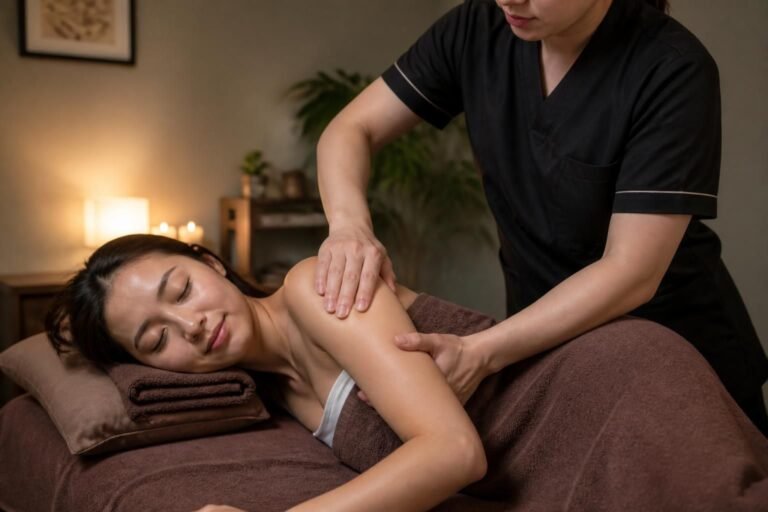
- Scheduled spa treatments: Regular massage sessions or hydrotherapy visits to alleviate built-up tension and muscular stiffness.
- Screen-free time: Designated hours without devices to reduce information overload and promote relaxation.
Incorporating these wellness breaks as non-negotiables opens a pathway to travel that prioritizes your well-being and creates a sustainable rhythm during your stay.
Mindfulness and Self-Care: Cornerstones for Managing Vacation Stress
Mindfulness is a transformative tool that anchors you in the present and helps dissipate the worry that often accompanies travel. On vacation, practicing mindfulness means becoming acutely aware of your surroundings—the warmth of the sun on your skin, the vibrant colors of tropical flora, and the rhythmic sound of ocean waves. Such attention anchors you away from disruptive thoughts about missed flights or hectic plans, fostering genuine calm and enjoyment.
Self-care extends beyond pampering and encompasses a holistic approach including adequate sleep, hydration, balanced nutrition, and gentle exercise. Maintaining these habits, even in new environments with unfamiliar schedules, dramatically influences how you physically and emotionally respond to travel stresses.
Consider the challenge of jet lag or disrupted sleep patterns: staying connected to aspects of your routine, such as consistent meal times or gentle morning stretches, can combat these effects. A healthful breakfast rich in local fruits and proteins, combined with a walk along the Riviera Maya’s shores, promotes digestion and mood stabilization throughout the day.
Developing a mindfulness practice during your vacation can be as simple as taking five intentional breaths before entering a new attraction or savoring the flavors of a meal without distraction. These small acts build resilience against stress and prevent feelings of overwhelm, fostering a deeper connection with your journey.
Effective mindfulness and self-care strategies while traveling include:
- Deep breathing exercises: Utilize diaphragmatic breathing multiple times daily to reduce anxiety.
- Gratitude journaling: Record moments you appreciate each day to enhance positive emotions.
- Light stretching or yoga: Maintain mobility and release tension accumulated during travel.
- Hydration goals: Set reminders to drink water, especially in warm climates to prevent dehydration.
To enrich your experience further and explore expert advice on relaxation during your trip, consider visiting specialized guides like the best in-home massage guide for Playa del Carmen. Such resources connect you to trusted wellness professionals who understand the nuances of managing vacation stress in the Riviera Maya context.
Balancing Activity and Rest: The Art of Healthy Vacation Travel Tips
Maintaining physical activity during vacation acts as a natural stress reliever, releases endorphins, and helps regulate sleep patterns. However, balance is key; overexertion can exacerbate stress and fatigue, defeating the purpose of your getaway.
Dynamic activities such as snorkeling along the coral reefs, hiking through jungle trails, or biking historic neighborhoods stimulate your body and engage your senses. These excursions offer the added benefit of connecting you to the locale’s culture and natural beauty while keeping stress at bay.
Complementing active segments with restorative breaks such as gentle swimming, lounging at wellness pools, or receiving therapeutic massages fosters recovery and sustains energy levels. Furthermore, these rest periods reduce the risk of injury and support mental well-being by lowering cortisol levels.
Careful itinerary planning allows for alternating bursts of activity with relaxation, ensuring you remain energized without feeling rushed or overwhelmed. This dynamic balance is key to mitigating travel-induced stress and creating enduring memories.
Recommended balance practices for healthy travel include:
- Start the day with gentle stretching or walking to awaken your body.
- Schedule active excursions mid-morning or late afternoon to avoid midday heat.
- Plan after-activity wellness breaks such as spa visits or meditation sessions.
- Ensure consistent sleep routines by going to bed and waking up at regular times.
Below is a comparison of how activity and rest segments can be balanced effectively in a daily itinerary:
| Time | Activity | Purpose |
|---|---|---|
| 7:00 AM – 7:30 AM | Morning Yoga or Stretching | Enhance mobility and energize mind and body |
| 8:00 AM – 10:00 AM | Cultural Excursion (e.g., Mayan Ruins Visit) | Engage senses and explore local heritage |
| 10:00 AM – 10:30 AM | Wellness Break (Meditation/Massage) | Relax muscles and reduce mental stress |
| 12:00 PM – 1:00 PM | Healthy Lunch at Local Restaurant | Refuel with nutritious, balanced meals |
| 1:00 PM – 3:00 PM | Light Leisure Activity or Siesta | Restore energy and prevent fatigue |
| 3:00 PM – 5:00 PM | Active Sightseeing or Swimming | Maintain physical activity and enjoy surroundings |
| 5:30 PM – 6:00 PM | Mindful Relaxation (Sunset Meditation) | Transition into evening with calm and presence |
By consciously building scheduled breaks around physical activity, stress relief becomes a natural part of your holiday routine.
Communication and Flexibility: Keys to Reducing Group Vacation Stress
Traveling with family or friends can amplify the joy of a vacation but also introduce unique stressors. Clashing expectations, conflicting schedules, and communication gaps may deteriorate group harmony. Here, open dialogue and agreed-upon flexibility are essential for smooth stress management.
Before departure, gather all members for a discussion to understand preferences, boundaries, and must-see attractions so that plans align with everyone’s interests. Define moments where group activities happen and where individual free time is honored. This mutual respect reduces conflicts and allows each person to recharge as needed.
During the trip, establish check-ins to assess how everyone feels physically and emotionally. Encouraging honesty helps adjust plans dynamically in response to fatigue or mood changes rather than pushing ahead with rigid agendas. If a family member feels overwhelmed, taking a scheduled wellness break can be a lifeline that preserves good spirits.
Sometimes, the best relaxing moments occur spontaneously—an impromptu beach picnic or a quiet coffee at a local café. Leaving room for unplanned, low-pressure experiences within your holiday keeps the atmosphere light and enjoyable. Balance between structured activities and downtime nurtures not only your sense of self-care but also the overall group wellness.
Communication tips for seamless group travel stress management:
- Discuss expectations and personal limits before the trip.
- Plan a flexible itinerary with built-in breaks and optional activities.
- Encourage honest check-ins and adjust plans as needed.
- Respect individual needs for solitude or rest during group outings.
These practices ensure that your vacation remains a shared positive experience without unnecessary strain or misunderstandings. To learn more about integrating relaxation techniques and wellness breaks into personalized travel experiences, explore tailored resources such as the ultimate guide for relaxation in Playa del Carmen.
Adapting Wellness Habits to Travel Challenges: Practical Stress Management Tools
Travel inevitably brings disruptions—unfamiliar foods, altered sleep patterns, and changing environments—that can challenge your wellness routines. Anticipating these obstacles and adapting your self-care practices is essential for effective stress relief.
One useful strategy is packing essentials that support your health such as hydration aids, nutritious snacks, and portable wellness gadgets like resistance bands or meditation apps. For those with medical conditions or mobility concerns, thoughtfully organizing medications and compression gear ensures comfort during both transit and stay.
Mindful nutrition plays a pivotal role in stabilizing your mood and energy. Sampling local cuisine can be delightful but balancing indulgence with wholesome choices keeps your system balanced. Carrying fresh fruits or nuts during excursions prevents energy crashes and fosters healthy eating patterns on-the-go.
Sleep hygiene must also be a priority. Establish rituals such as reducing screen time before bed, wearing eye masks, or using gentle white noise to counter unfamiliar ambient sounds in hotels. Taking scheduled breaks during the day, specifically in calm, green spaces or by water, can counteract sensory overload and maintain emotional equilibrium.
The following table outlines practical wellness adaptations for common travel challenges:
| Challenge | Adaptation | Benefit |
|---|---|---|
| Jet Lag and Sleep Disruption | Maintain consistent sleep schedule, use eye mask and white noise | Improved rest and reduced fatigue |
| Unfamiliar Food Choices | Research local healthy options, carry snacks | Stable energy and digestion |
| Physical Discomfort During Travel | Compression garments, regular stretching, walking breaks | Reduced swelling and muscle stiffness |
| Technology Overuse | Set boundaries for screen time, turn off non-essential notifications | Enhanced presence and lowered mental fatigue |
Applying these stress management tools helps you maintain wellness routines, ensuring your vacation serves its purpose: restoring your body and spirit with ease and comfort.
How do scheduled wellness breaks help reduce vacation stress?
Scheduled wellness breaks provide intentional moments for relaxation and mindfulness, allowing the body and mind to reset and prevent overwhelm during travel. These breaks improve energy levels and enhance enjoyment.
What are some effective relaxation techniques to practice on vacation?
Relaxation techniques such as deep breathing exercises, guided meditation, gentle yoga, and mindfulness practices help calm the nervous system and reduce stress effectively when practiced regularly during a vacation.
How can I maintain a healthy routine while traveling?
Maintaining a healthy routine involves balancing physical activity with rest, eating nutritious meals, staying hydrated, and preserving sleep hygiene. Planning these elements into your itinerary supports wellbeing and reduces fatigue.
What role does communication play in managing vacation stress for group travel?
Open and honest communication helps align expectations, establish personal boundaries, and create flexible itineraries. This reduces conflicts and stress within groups, ensuring a more harmonious travel experience.
Where can I find trusted wellness services in the Riviera Maya?
Local resources such as the best in-home massage guide for Playa del Carmen connect you to professional wellness providers specialized in relaxation and stress relief during your stay.