
Lymphatic drainage has emerged as a prominent therapy in the wellness industry, especially appealing to travelers seeking relief from the discomforts of travel bloating and jet lag. The sensation of puffiness, swelling, and sluggishness after long flights or extended travel is not merely fatigue but often relates closely to the body’s inability to efficiently move and process interstitial fluids. This article uncovers the science behind the lymphatic system and how targeted massage therapy can significantly aid in post-travel recovery by stimulating detoxification and improving circulation.
Many travelers struggle with water retention, a phenomenon distinct from digestive bloating, which contributes to that heavy, swollen feeling people commonly report after flights. Understanding the difference between these two types of bloating is fundamental when selecting the right treatment approach. The lymphatic system’s role in maintaining fluid balance makes lymphatic drainage a uniquely effective tool for those combating swelling relief and the physical impacts of crossing multiple time zones.
Below is a concise guide to key takeaways on using lymphatic drainage therapy to overcome typical travel-related bodily stress:
- Targets fluid retention: Helps redistribute excess interstitial fluid to reduce puffiness.
- Improves circulation: Boosts lymph flow, facilitating the flushing of toxins post-flight.
- Alleviates swelling and heaviness: Encourages lymph nodes’ drainage, easing discomfort.
- Complements hydration and movement: Offers more lasting effects when combined with lifestyle adjustments.
- Supports jet lag recovery: Helps reduce fatigue by stimulating metabolic and detox pathways.
The Science Behind Lymphatic Drainage and Its Role in Combating Travel Bloating
At the core of understanding post-travel bloating lies the distinction between two common physiological processes: gastrointestinal bloating caused by trapped gas or digestive motility issues, and fluid retention due to sluggish lymphatic circulation. Travel bloating primarily results from the latter, where extended sitting, dehydration, and irregular sleep patterns disrupt the efficient movement of lymph fluid.
The lymphatic system acts as a cleansing network that returns excess fluids and waste products from tissues back into the bloodstream. However, long-haul flying inhibits this function through immobility and dehydration, causing the fluid to accumulate in soft tissues. The consequence is swelling, visible puffiness, and a general sensation of heaviness, especially noticeable in the face, legs, and abdomen.
Lymphatic drainage massage therapy uses rhythmic, gentle strokes applied in a specific direction toward lymph nodes to stimulate lymph flow. This technique physically assists the body’s drainage pathway, accelerating the removal of waste and excess fluid. Clinical evidence and physiological reasoning strongly support its efficacy in reducing fluid retention but emphasize that it does not resolve gastrointestinal gas-related bloating.
For example, a frequent traveler arriving in the Riviera Maya after a 12-hour flight may experience swelling in their lower limbs due to prolonged inactivity and cabin pressure changes. Undergoing a proper lymphatic drainage session helps restore normal lymph flow, resulting in improved circulation, reduction of swelling, and easing of stiffness. Many clients report feeling lighter and more comfortable almost immediately after treatment.
Optimizing Post-Travel Recovery: How Lymphatic Massage Supports Jet Lag Relief and Circulation Improvement
Jet lag is a pervasive concern for international travelers, manifesting as fatigue, brain fog, and general malaise. While commonly associated with circadian rhythm disruption, jet lag also correlates with metabolic slowdown, reduced lymphatic efficiency, and toxin buildup. A sluggish lympatic system compounds feelings of sluggishness after long flights or crossing time zones.
Implementing lymphatic massage therapy soon after travel offers several physiological benefits to mitigate these effects. By stimulating lymph nodes and promoting fluid flow, the body clears metabolic wastes more quickly, reducing systemic inflammation and enhancing oxygen delivery to tissues. This process fosters faster recovery from fatigue and revitalizes mental clarity.
Moreover, lymphatic drainage complements other supportive measures such as hydration and light movement to combat the effects of long-haul flights. Integrating supportive practices ensures that the therapy’s benefits endure. For instance, maintaining adequate fluid intake post-treatment prevents dehydration that thickens lymph fluid, ensuring continued efficient detoxification.
Consider the example of Ana, a regular international traveler who experiences severe jet lag. After incorporating lymphatic drainage into her post-flight routine, alongside scheduled hydration and a light stretching regimen, Ana reports fewer episodes of swelling, improved sleep, and enhanced energy levels. This integrated approach highlights the powerful synergies between massage therapy and lifestyle factors in addressing travel weariness.
When and How to Use Lymphatic Drainage: Understanding Its Limits and Maximizing Effectiveness
Despite its growing popularity, it is crucial to recognize that lymphatic drainage is not a panacea for all types of bloating. It specifically targets swelling caused by fluid accumulation and is ineffective against bloating stemming from digestive disorders such as irritable bowel syndrome, small intestinal bacterial overgrowth (SIBO), or constipation. These conditions require dietary changes, medical evaluation, and tailored treatment rather than manual lymphatic techniques.
Knowing the root cause of discomfort is essential before opting for lymphatic drainage. A practical method for travelers is maintaining a food and symptom diary during travel, differentiating digestive causes from fluid retention. For those confirmed to have fluid-related swelling, timing sessions strategically around hormonal cycles (for female travelers) or during peak swelling phases enhances results.
Single-session benefits include immediate reduction in facial puffiness and leg swelling, with visible effects usually lasting two to three days. However, these results are temporary, and consistent maintenance sessions, ideally once or twice a month, are necessary for sustained relief, particularly for those frequently flying.
Here is a recommended frequency table often suggested by certified therapists:
| Travel Frequency | Recommended Sessions | Comments |
|---|---|---|
| Occasional (1-2 trips/year) | 1 session post-trip | Focus on rapid recovery after travel |
| Moderate (3-6 trips/year) | 1-2 sessions/month | Maintain balanced lymphatic function |
| Frequent (weekly or monthly flights) | Weekly or biweekly sessions | Clinical situations or specific conditions |
This approach ensures clients receive maximum benefits without unnecessary treatments, emphasizing quality over quantity. Notably, clinics pushing daily or excessively frequent sessions for general wellbeing may prioritize profit over client-centered results.
DIY Support for Lymphatic Health: Simple Techniques to Extend Post-Travel Benefits
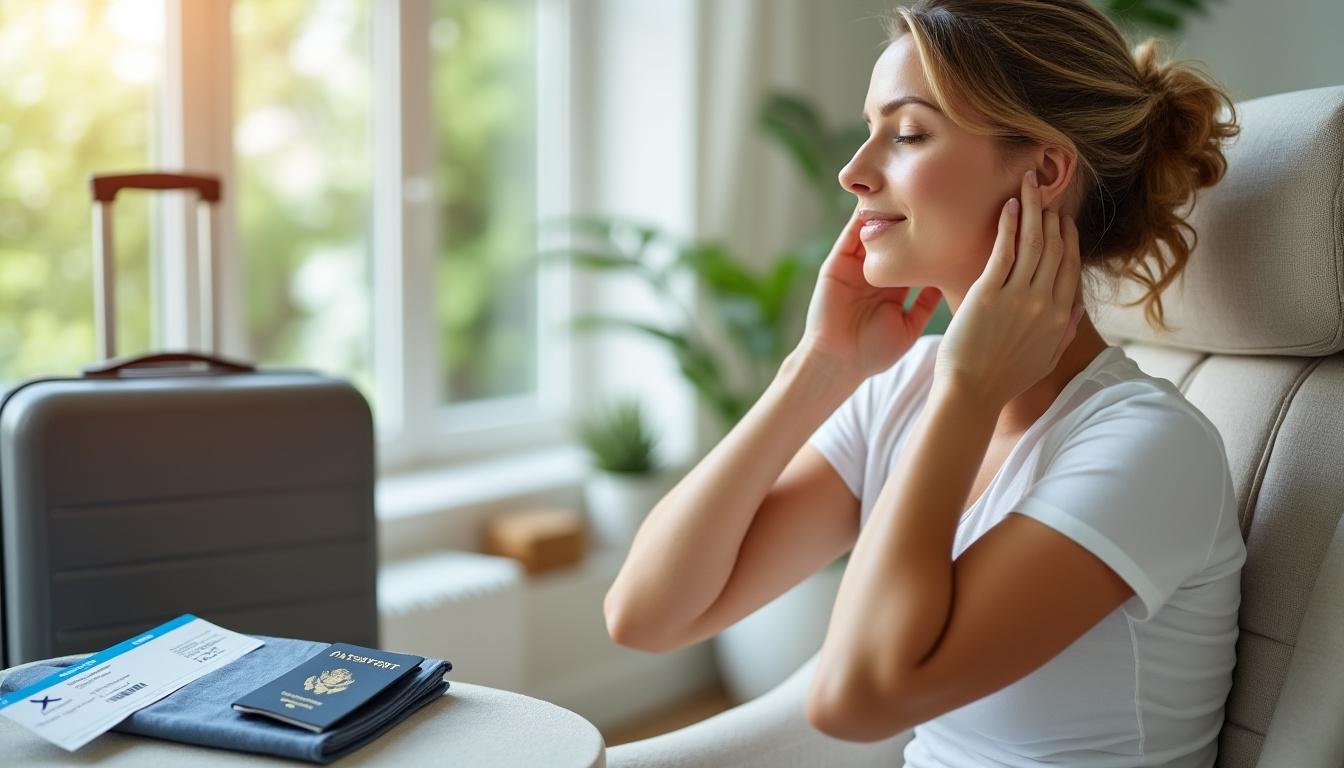
While professional massage therapy remains the gold standard for lymphatic drainage, travelers can adopt at-home practices that mildly stimulate lymph flow and extend treatment effects. Techniques such as dry brushing, gentle self-massage, and gua sha applied along lymphatic pathways are popular and accessible methods.
The key to effective self-drainage lies in applying gentle, directional strokes toward nearby lymph node groups—for example, brushing toward the neck when treating facial puffiness or toward the groin for leg swelling. These techniques encourage fluid movement without the need for deep or painful pressure.
These routines are low-cost, low-risk, and take as little as 10 minutes daily. For busy travelers, incorporating these practices before and after flights can reduce swelling and promote overall circulation improvement.
Additional lifestyle tips include:
- Hydration management: Drinking enough water helps maintain lymph fluid consistency.
- Movement: Walking during layovers or gentle stretching improves lymphatic flow.
- Sleep quality: Restorative sleep enhances metabolic function and lymphatic efficiency.
- Reducing sodium intake: Limits fluid retention exacerbated by dietary salt.
Pairing these strategies with regular professional lymphatic drainage can significantly accelerate detoxification and reduce discomfort associated with travel experiences.
Expert Insights and Practical Tips for Tourists in the Riviera Maya Seeking Swelling Relief
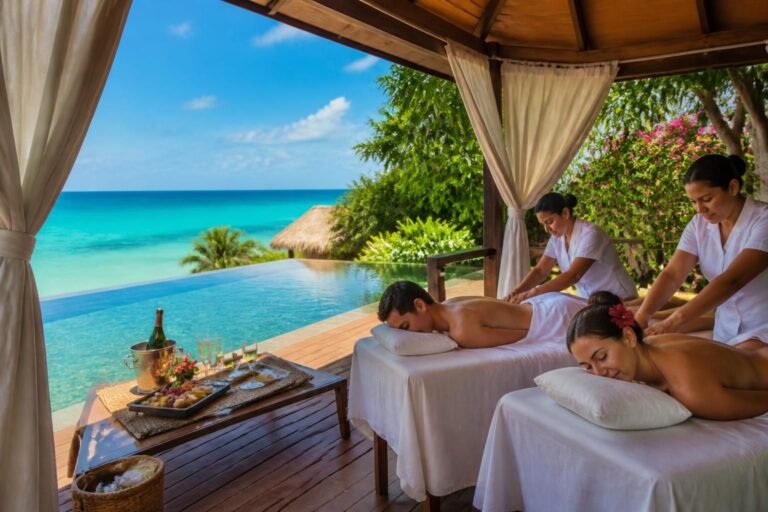
Travelers flocking to the Riviera Maya often come to enjoy its breathtaking landscapes but sometimes leave feeling burdened by the effects of dehydration, long plane rides, and jet lag. Resort spas specializing in lymphatic drainage offer tailored sessions using advanced equipment such as the Ballancer Pro, designed to optimize lymph flow through gentle compression.
In conjunction with other body treatments like Emsculpt NEO or IV drips, these therapies not only relieve swelling but also enhance muscle recovery and improve metabolic function, supporting holistic wellness. The Riviera Maya Massage Concierge has curated some of the best local experts offering these services, perfect for those who want to arrive at events or resorts feeling their best.
For instance, combining lymphatic drainage with medical weight loss programs can deliver enhanced detoxification and more visible results, optimizing client satisfaction. This synergy ensures a more natural and effective approach to combating the common pitfalls of travel.
For more insights and booking options on these therapies in the Riviera Maya, explore lymphatic drainage treatments designed for travel recovery or discover how massage therapy supports jet lag and swelling relief.
Can lymphatic drainage help with all types of bloating?
Lymphatic drainage specifically aids in reducing fluid retention-related swelling and puffiness. It does not alleviate bloating caused by digestive issues such as gas, constipation, or irritable bowel syndrome, which require different medical treatments.
How soon after travel should I get a lymphatic drainage session?
Ideally, a session should be scheduled as soon as possible following long flights or extensive travel to stimulate lymph flow, reduce swelling, and promote detoxification for optimal recovery.
Are there any risks associated with lymphatic drainage massage?
For most healthy individuals, lymphatic drainage massage is safe and non-invasive. However, individuals with certain medical conditions like acute infections, blood clots, or heart issues should consult a healthcare professional before undergoing treatment.
Can I perform lymphatic drainage massage on myself at home?
Yes. Gentle self-massage techniques such as dry brushing or gua sha can support lymph movement between professional sessions, but they are not substitutes for thorough professional treatments.
How frequently should I receive professional lymphatic drainage massage?
For general wellness and travel recovery, 1-2 sessions per month are recommended. More frequent treatments may be needed in special clinical cases but are not necessary for most people seeking swelling relief.