
Vacations are no longer just a getaway—they have evolved into essential health boosters capable of transforming your mental health and overall well-being. In a world that moves faster every day, taking time for yourself is the key to reclaiming balance, relaxation, and a refreshed mindset. Whether it is a peaceful retreat on the Riviera Maya or a cultural exploration in a new city, stepping away from daily pressures offers profound benefits, ranging from stress relief to enhanced creativity. This holistic approach to mental wellness prioritizes self-care and mindfulness, enabling a rejuvenation that echoes long after you return home.
Modern science increasingly validates what many have experienced intuitively: the power that a vacation holds in improving emotional health and fostering mental resilience. Far beyond simply relaxing, a well-structured vacation can lower cortisol levels—the stress hormone—while simultaneously improving sleep quality and heart health. The emotional refreshment gained from changing your environment and immersing yourself in novel experiences is indispensable for anyone seeking mental clarity and long-lasting well-being. Let’s explore how stepping away from your routine is a vital contributor to your mental health and learn practical ways to maximize these advantages.
The Science-Backed Stress Relief of Taking Time Off
Stress is often called the silent epidemic of our century, quietly impacting every aspect of our health. When chronic, stress can lead to anxiety disorders, depression, and cardiovascular problems. Fortunately, one of the most effective antidotes to this is a thoughtfully planned vacation. Research demonstrates that even a short break can significantly decrease cortisol levels, which directly lowers anxiety, improves mood, and fosters a sense of calm.
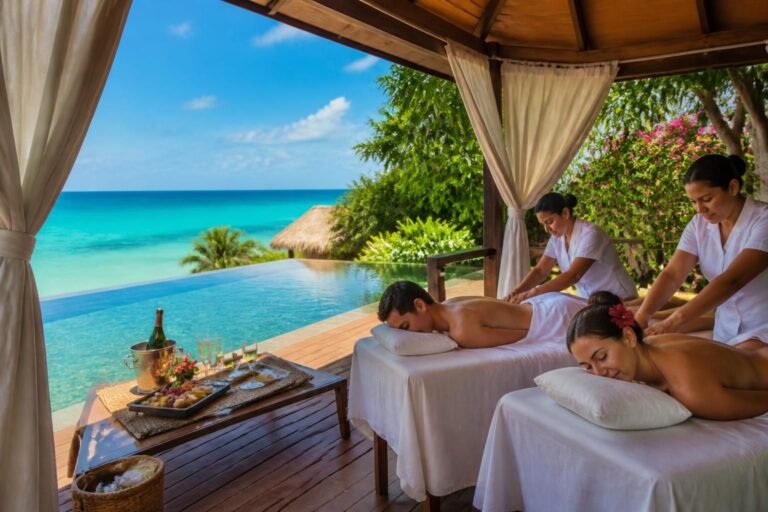
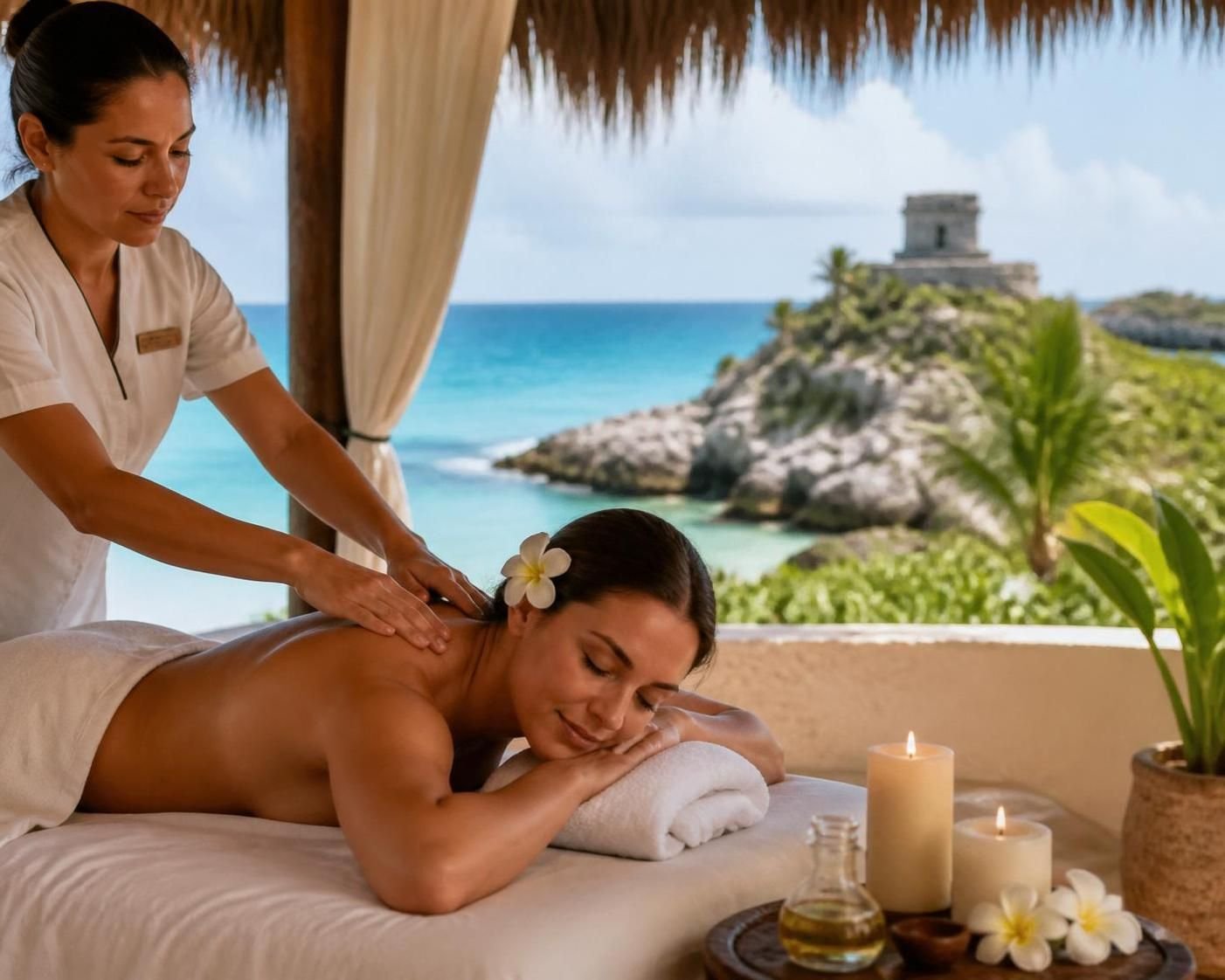
From a personal perspective, clients often describe how leaving behind the pressures of work and daily obligations allows the brain to reset. This mental detoxification leads to a rapid reduction in physical symptoms such as elevated blood pressure and muscle tension. It is common that after a vacation, people feel lighter, more relaxed, and better equipped to manage challenges. For instance, many travelers who indulge in spa massages in the Riviera Maya report not just physical relaxation but a deeper emotional release, enhancing their stress relief journey.
How Mindfulness Enhances Vacation Benefits
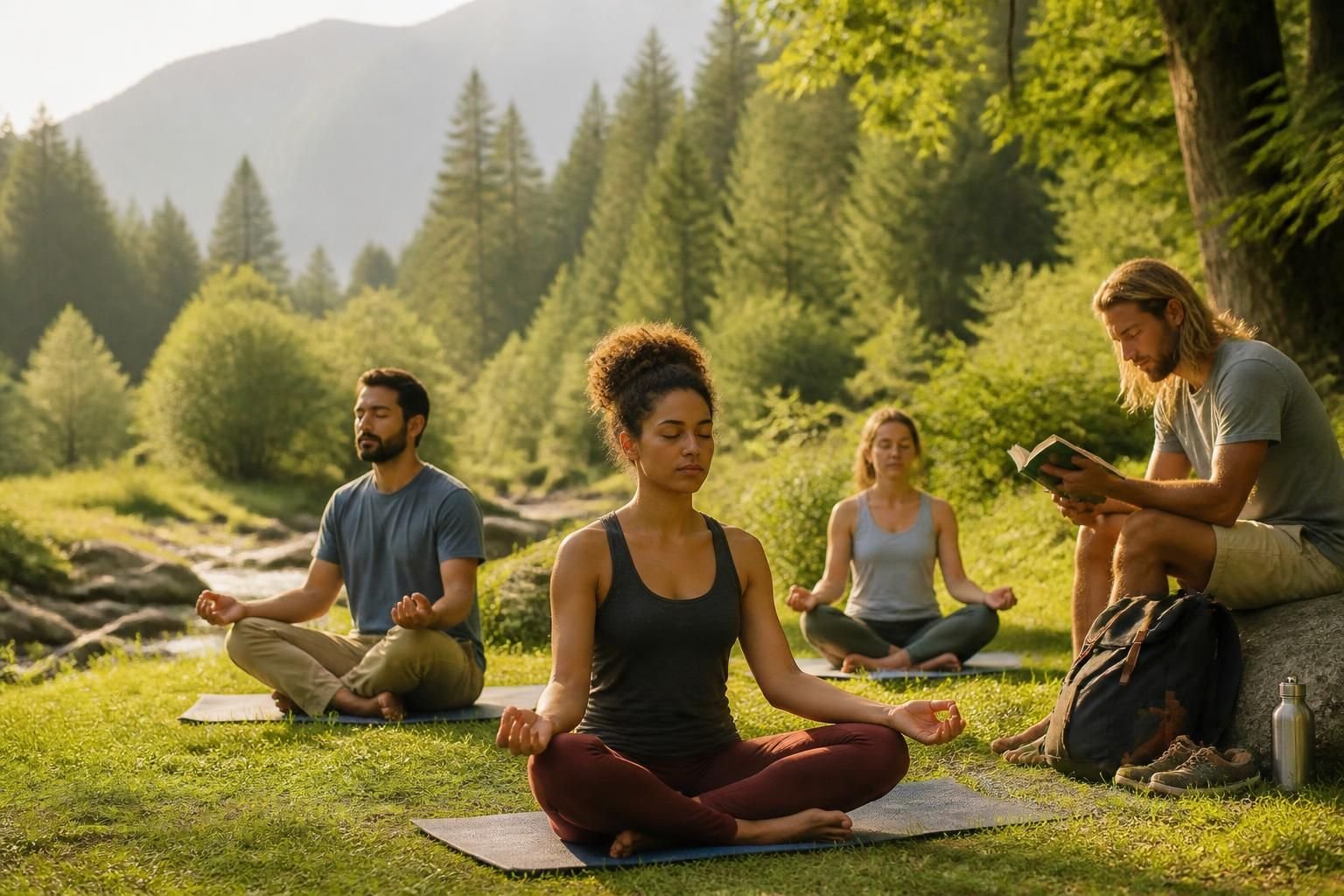
Introducing mindfulness practices during your vacation amplifies its positive impact on mental health. Mindfulness—being fully present in the moment—encourages deeper relaxation and heightened self-awareness. Engaging in morning wellness rituals, such as those inspired by sunrise wellness traditions in Mexico, can invigorate your day with vibrant energy and purposeful calm, further lowering stress.
When you stay mindful during your time off, it prevents the usual vacation stress many experience due to over-scheduling or the pressure to make the most out of every moment. Incorporate scheduled wellness breaks during your travels to remain centered and stress-free, as detailed in resources like how to avoid vacation stress with scheduled wellness breaks.
Stress relief through vacation is not just about escaping; it’s about strategic self-care that refreshes your body and mind.
Improving Cardiovascular and Sleep Health Through Regular Vacations
Vacations serve as a protective shield for your heart and sleep cycles, two pillars that have outsized importance in sustaining mental and physical health. Chronic workplace stress has been widely linked to heart disease. Studies show men who never take time off are more prone to heart attacks, while women who enjoy at least one or two vacations per year dramatically reduce their risk of developing cardiovascular issues.
One case study involves a group of corporate executives who introduced regular wellness retreats and vacation days, including massages and meditation sessions, and subsequently exhibited improved heart health markers and decreased anxiety levels. These interventions highlight how vacating your routine supports optimal physical conditions that underpin emotional health.
Healing Sleep Patterns on Vacation
Sleep disturbances frequently stem from burnout and the constant hum of stress. Vacations break this vicious cycle, enabling the body to fall naturally into healthier sleep-wake rhythms. Without alarms and deadlines, you can enjoy deeper, less interrupted sleep, restoring energy and enhancing mental clarity. This respite in sleep quality often extends weeks beyond the vacation itself, meaning the mental wellness benefits endure.
For travelers concerned about jet lag, simple recovery tips and mindfulness meals can facilitate fast adjustment and maintain the restfulness gained during your holiday.
Exploring wellness vacation packages in the Riviera Maya can integrate restful nights with revitalizing activities, offering a holistic approach to the rejuvenation process.
Emotional Health Benefits: Boosting Mood, Creativity, and Relationships on Vacation
Vacation is a potent stimulus for emotional health, helping to alleviate depression and anxiety symptoms. Changing your physical environment challenges your brain to adapt and refresh, freeing it from habitual stress patterns. Time spent in natural settings—such as cenote meditation experiences—fosters deep relaxation and promotes emotional balance, fundamentally enhancing mental wellness.
Moreover, stepping away from daily distractions rekindles your creative spark. Upon returning home, many individuals report increased productivity and original problem-solving abilities. This cognitive reset can open new doors in personal and professional arenas.
Vacations also cultivate stronger interpersonal bonds. Whether it’s family, couples, or solo travelers, shared experiences create meaningful memories and deepen connections. Techniques like private couples massages or family-friendly gentle massages offer ways to nurture these bonds while prioritizing relaxation and self-care.
- Emotional refreshment through novel experiences.
- Renewed creative thinking and productivity.
- Deepened personal relationships and social bonds.
- Enhanced mental clarity and focus.
Exploring options such as wellness retreats for couples in Mexico provides couples with opportunities to reconnect and fully recharge together in peaceful surroundings.
Building a Sustainable Self-Care Routine for Long-Term Mental Wellness
Vacation is often the catalyst that ignites a sustainable self-care lifestyle. Experiencing quality relaxation and mindfulness during time off demonstrates the importance of prioritizing your well-being throughout the year. The lessons learned from a rejuvenating escape can be integrated into daily routines, from wellness rituals to physical activities like swimming or hiking experienced on vacation.
Additionally, vacations help illuminate the necessity of work-life balance by reminding you that detaching from work responsibilities is not a luxury but a crucial health practice. Recognizing this can prevent burnout and promote emotional health. Individuals returning from wellness corporate retreats frequently express a renewed commitment to self-care and better workplace engagement.
Here is a table displaying the long-term mental health benefits observed from regular vacations:
| Benefit | Description | Impact on Mental Wellness |
|---|---|---|
| Stress Reduction | Lowers cortisol levels and anxiety | Long-lasting calm, better mood regulation |
| Improved Sleep | Restores natural circadian rhythms | Increased energy and cognitive function |
| Heart Health | Reduces risk of cardiovascular disease | Enhances physical and emotional resilience |
| Emotional Refreshment | Breaks stress patterns through new experiences | Improves mental clarity, reduces depression symptoms |
| Stronger Relationships | Shared experiences build connections | Fosters social support and emotional stability |
Engaging with vacation wellness communities or solo travel adventures in the Riviera Maya further supports these goals by combining exploration with intentional care.
Practical Tips to Maximize Mental Wellness on Your Vacation
To truly harness the mental health benefits of vacation, you need to plan with self-care and mindfulness in mind. Avoid the trap of overscheduling or focusing solely on sightseeing. Instead, incorporate moments dedicated to relaxation, meditation, and gentle physical activity.
Here are some actionable strategies to optimize your vacation experience:
- Schedule Wellness Breaks: Include spa sessions, such as a wellness vacation package in Riviera Maya that blends massage with relaxation techniques.
- Practice Morning Rituals: Start your day with mindfulness exercises inspired by sunrise wellness routines in Mexico.
- Engage in Nature-Based Activities: Spend time in calming natural environments such as cenotes for meditation or gentle hikes.
- Disconnect Digitally: Limit screen time to enhance presence and emotional engagement.
- Allow Flexibility: Avoid tight itineraries to reduce vacation-related stress and embrace spontaneity.
By following these principles, vacation transforms from a fleeting escape into a profound boost for your mental health and overall well-being.
How long do the mental health benefits of a vacation last?
The positive impact on mental wellness can last several weeks beyond the vacation itself, especially when mindfulness and relaxation continue post-trip.
Can a short vacation really reduce stress?
Yes, even brief breaks of a few days have been scientifically proven to lower stress hormones and improve emotional health.
What types of activities best enhance mental well-being during vacation?
Activities that combine relaxation, mindfulness, nature immersion, and light physical exercise are most effective for emotional health.
Is solo travel beneficial for mental health?
Absolutely. Solo travel fosters self-connection, independence, and mindfulness, contributing significantly to mental wellness.
How can I avoid feeling tired or stressed during vacation?
Incorporating scheduled wellness breaks, maintaining a flexible itinerary, and balancing activity with rest can minimize vacation-related stress.