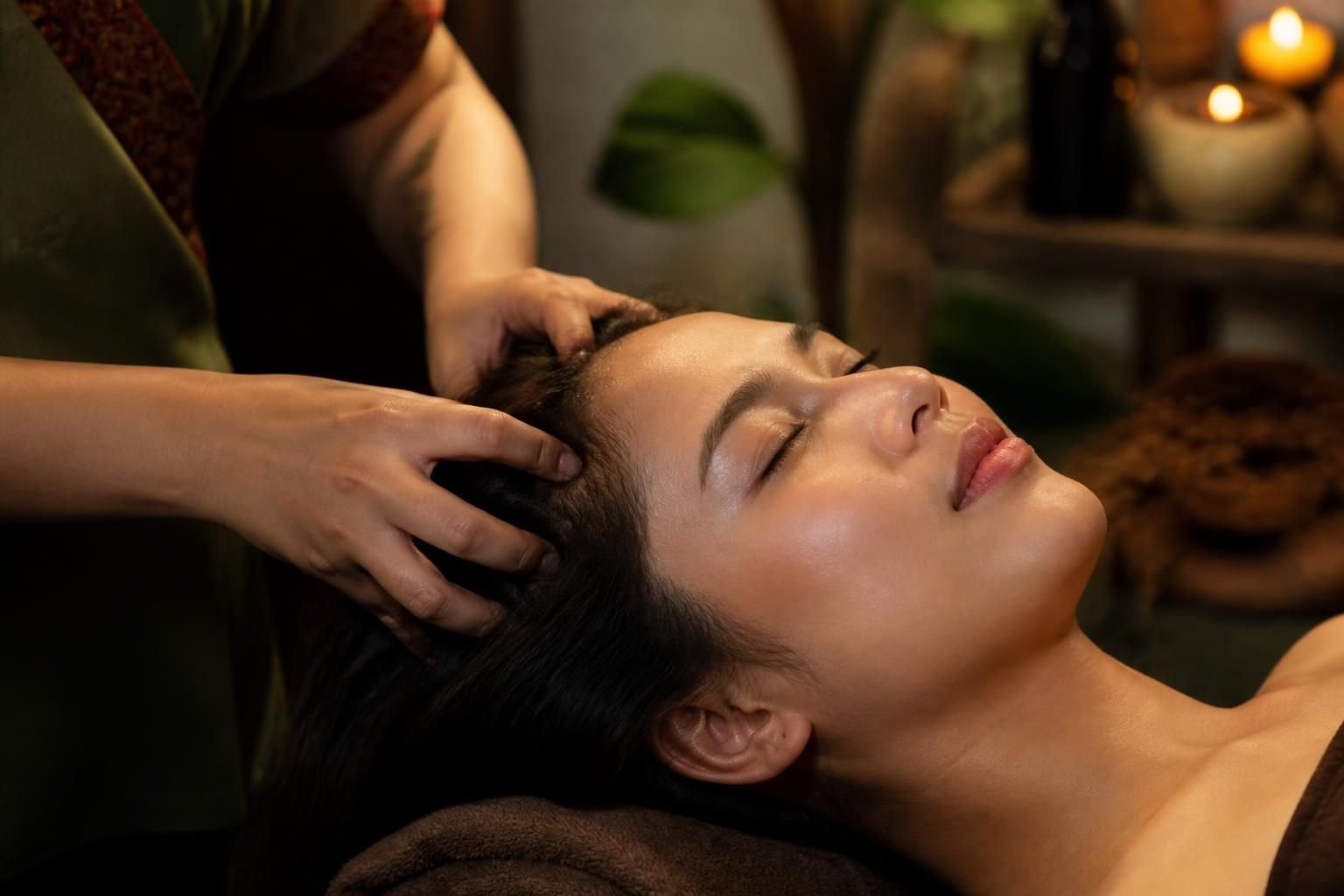

In today’s fast-paced world, finding moments of true relaxation is more essential than ever. Scalp massage, with its ancient roots and modern-day appeal, offers an invaluable tool for stress relief and wellbeing. This article delves into the ultimate scalp massage techniques designed to soothe tension, enhance circulation, and promote a profound sense of calm. From expert-guided step-by-step methods to the latest trends in self-care tools like gua sha combs, discover how simple, deliberate touch can transform your daily routine into a sanctuary of tranquility and healing.
Unlocking the secrets of scalp massage not only addresses physical discomfort but also nurtures mental clarity and emotional balance. As more wellness enthusiasts turn toward holistic approaches, scalp massage stands out as a powerful yet accessible practice. Whether you’re a seasoned spa-goer in the Riviera Maya or exploring self-care at home, understanding how to properly engage pressure points and apply calming massage techniques is key to maximizing stress relief benefits. Prepare to immerse yourself in an experience that refreshes the mind, invigorates the scalp, and fosters healthy hair growth in 2026 and beyond.
How scalp massage offers unparalleled stress relief and relaxation benefits
Stress accumulates subtly within the muscles of the head, neck, and scalp, often manifesting as persistent headaches, tension, or mental fatigue. A deep understanding of how scalp massage works reveals why it’s one of the most effective natural remedies for diminishing stress and invoking relaxation. By stimulating blood flow and oxygen delivery to sensitive nerve endings and hair follicles, scalp massage alleviates built-up tension that can contribute to feelings of anxiety and physical discomfort.
Scientific studies emphasize that gentle manual stimulation activates the parasympathetic nervous system, the branch responsible for the body’s ‘rest and digest’ responses. This slows the heart rate, reduces cortisol—the stress hormone—levels, and enhances the secretion of serotonin and dopamine, neurotransmitters associated with happiness and calmness. Many users report experiencing a meditative state after even brief sessions, underscoring the profound neurochemical effects scalp massage can generate.
In practical terms, the pressure points located around the temples, crown, and nape of the neck are critical zones to focus on during a session. These areas tend to harbor muscle tightness and tension due to prolonged periods of stress or poor posture. Targeted circular motions followed by gentle prolonged holds on these points yield notable tension release, helping to dissolve headaches associated with stress.
The relaxation benefits seamlessly extend beyond temporary comfort. Regular scalp massage complements holistic wellness by improving sleep quality, reducing anxiety symptoms, and nurturing a sense of well-being that endures throughout the day. As part of a self-care regimen, these sessions contribute to resetting both body and mind, creating a sanctuary from overwhelming pressures.
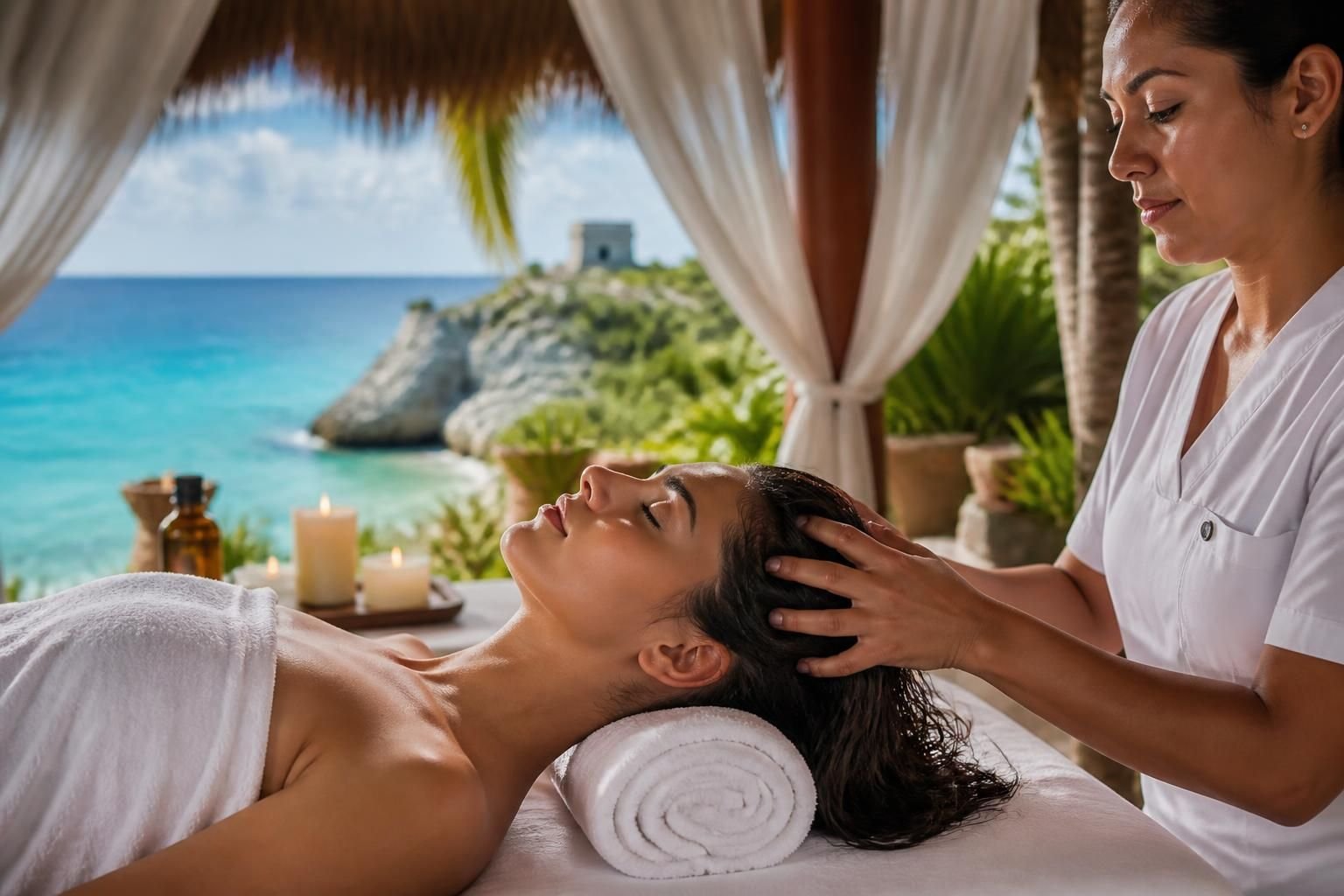
For those in Riviera Maya or other spa-rich locales, embracing expert scalp massage techniques harmonizes perfectly with the locally inspired wellness culture. Discovering how to integrate such practices into your routine unlocks lasting calm, balancing the rhythm of modern life with the ancient art of healing touch.
Mastering gua sha comb techniques for amplified scalp massage and stress relief
Gua sha therapy, originating from Traditional Chinese Medicine, has seen a resurgence as an efficacious self-care technique, particularly for scalp massage. The use of a gua sha comb, especially crafted from sandalwood like the KentDO scalp & body massage comb, elevates traditional massage approaches by adding both tactile precision and sensory enhancement.
This practice involves gently scraping the gua sha comb along the scalp in slow, controlled movements, targeting pressure points that release tension and stimulate circulation. The natural grain and smoothness of sandalwood provide a cooling, grounding sensation that plastic tools cannot replicate. The aromatic properties of sandalwood intensify relaxation by activating the olfactory system, which is closely linked to emotional centers in the brain.
Executing this technique correctly involves warming the comb in your hands beforehand to prevent any initial discomfort, then commencing with focused massage at the temples. Progressing to the crown, the comb is moved with medium pressure applied in circular or sweeping strokes to encourage blood flow. Concluding at the nape of the neck employs slower, elongated movements that soothe neck muscles often knotted from stress.
Incorporating lightweight oils such as jojoba or argan can further enhance the experience by reducing friction and providing additional hydration to the scalp. This combination of tactile massage and aromatherapy nurtures an immersive relaxation session unprecedented in simple manual massaging methods.
Everything from the design of the gua sha comb to the choice of massage oils contributes to a seamless interface between wellness science and sensory delight, making gua sha comb massage a must-try for anyone pursuing profound stress relief and self-care in 2026.
For a detailed exploration of gua sha techniques tailored to the scalp and hair health, you may visit specialized wellness resources such as cranial massage therapy insights from Riviera Maya experts.
Quick 5-minute scalp massage routine for effective relaxation on the go
Incorporating scalp massage into a busy lifestyle can be effortless and rewarding. A simple 5-minute routine offers immediate relief from tension and mental overload, fitting perfectly into a morning energizing ritual or evening wind-down. This quick massage employs core principles of effective pressure point stimulation and rhythmic movement that anyone can master.
Start by warming your fingers or a preferred gua sha comb to ensure soothing contact with the scalp. Begin with the temples, using small, gentle circular motions. These soft pulses alleviate tension headaches and invoke instant calming. After one to two minutes in this zone, transition to the crown, increasing pressure to medium intensity as comfortable. Slow, circular strokes here amplify blood flow.
End the session at the nape of the neck with long, deliberate movements that encourage muscular tension release from the head down through the shoulders. This final phase encourages parasympathetic activation, reducing stress signals and promoting a natural relaxation cascade.
This routine ranks as a perfect example of how brief, focused self-care can foster substantial wellness benefits. It requires no professional tools and can be performed anywhere, enhancing its accessibility and appeal.
For those seeking expert tips on safe and professional at-home massage experiences in unique destinations like Mexico, further guidance can be found in articles such as expert-approved advice for in-home massage bookings.
Choosing the best tools and products to enhance scalp massage relaxation
The right tools can dramatically influence the quality and impact of scalp massage. Among available options, natural material tools stand out in delivering a nourishing and calming experience. Sandalwood gua sha combs, as noted earlier, offer an unmatched combination of smoothness, durability, and aromatic benefits.
| Feature | Sandalwood Comb | Plastic Comb |
|---|---|---|
| Material | Natural sandalwood | Plastic |
| Effect on scalp | Gentle, soothing | Static and harsh |
| Aroma | Natural calming scent | None |
| Durability | Long-lasting | Short lifespan |
While silicone scalp massagers and lightweight electric head massage devices are gaining popularity, they cannot entirely replace the intimacy and bespoke feel of manual gua sha tools. The tactile feedback afforded by natural tools allows users to modulate pressure precisely, safeguarding against overstimulation, particularly for sensitive scalps.
Additionally, partnering scalp massage with complementary elements such as essential oils, gentle music, or meditation creates an immersive wellness ritual that exceeds the benefits of isolated scalp stimulation. Crafting a consistent environment promotes psychological conditioning where your body anticipates relaxation, making each session increasingly effective.
Detailed step-by-step guide for effective and calming scalp massage at home
Navigating the optimal scalp massage routine requires attention to technique, environment, and consistency. Begin by situating yourself in a quiet, comfortable space free from distractions. This physical calmness facilitates mental relaxation, amplifying the overall experience.
Follow these steps for a comprehensive scalp massage focusing on tension release and stress relief:
- Take several deep breaths to settle your mind and relax shoulder muscles.
- Place your fingertips or gua sha comb gently on the temples and begin small, circular pressure motions.
- Gradually move upward towards the crown, maintaining steady pressure but avoiding discomfort.
- Slowly glide the comb or fingers down the back of the scalp towards the nape, using long, fluid strokes.
- Pause briefly applying gentle pressure on any particularly tight areas or pressure points noticed.
- Repeat the sequence for 5–10 minutes to maximize relaxation benefits.
Introducing soft background music or scents such as lavender or chamomile elevates the session, replicating a spa-like atmosphere in your own home. Through regular practice, this mindful self-care regimen becomes a sanctuary against everyday stressors.
By mastering these techniques and integrating proper tools, you transform a routine massage into a powerful wellness ritual. This practice aligns well with the broader principles of self-care and mindful relaxation that dominate the 2026 wellness landscape.
Does scalp massage really promote hair growth?
Yes, regular scalp massage improves blood circulation and nourishes hair follicles, which can lead to healthier and stronger hair growth over time.
How often should I perform a scalp massage for optimal stress relief?
A scalp massage of 5 to 10 minutes, performed three to four times a week, strikes a good balance between relaxation and practicality without overwhelming your daily routine.
Can I use oils during gua sha comb scalp massage?
Absolutely. Using lightweight oils like jojoba or argan oil reduces friction, hydrates the scalp, and enhances the calming effects of the massage.
Is scalp massage safe for sensitive scalps?
Yes, as long as gentle pressure and slow, controlled movements are applied. Avoid harsh tools and aggressive rubbing to prevent irritation.
What are the key pressure points to focus on for tension release?
The temples, crown, and nape of the neck are critical areas where tension commonly builds and where focused massage yields the greatest stress relief and relaxation benefits.