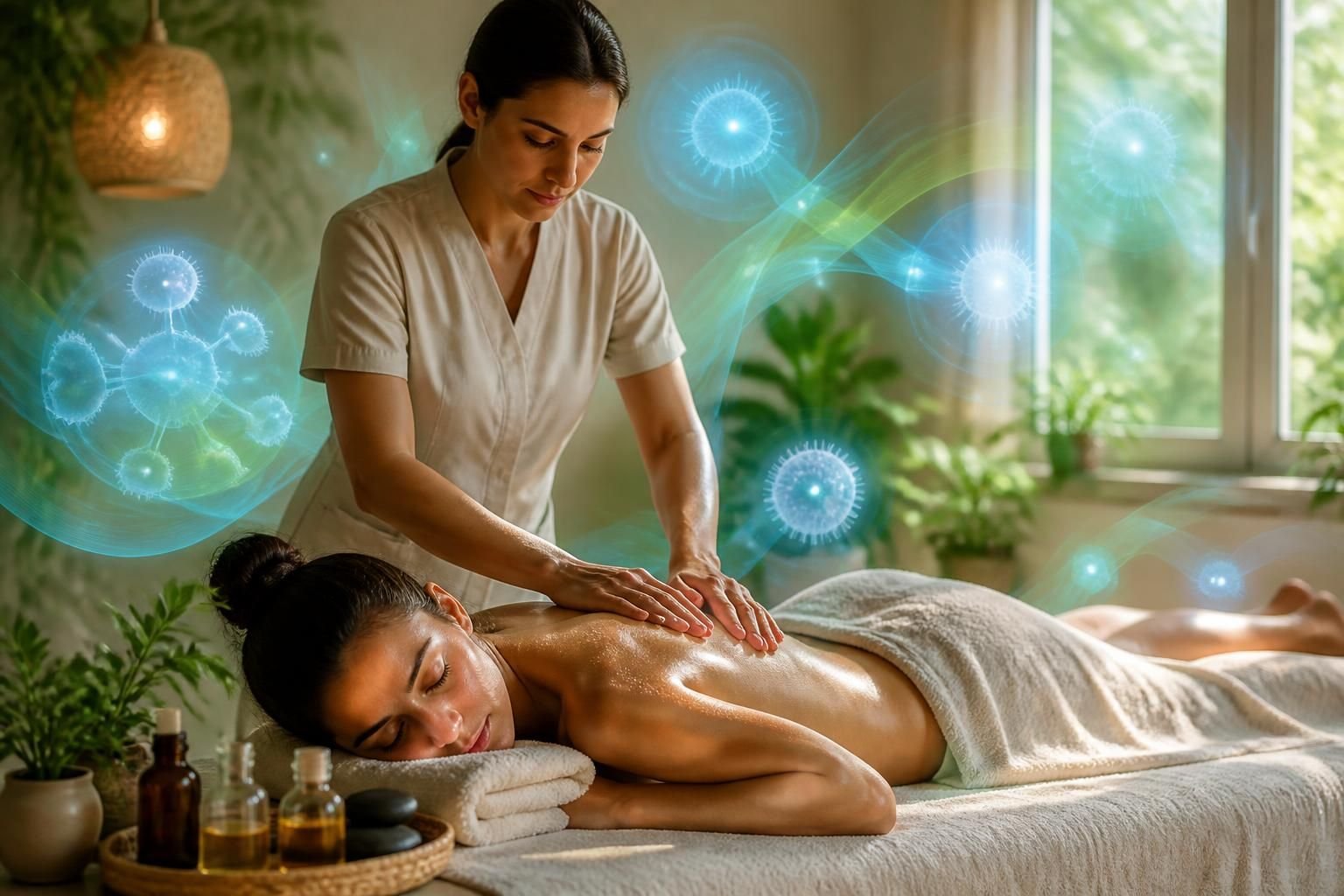

In today’s fast-paced world, maintaining a strong immune system has never been more critical. While many turn to nutrition, exercise, and sleep to bolster their health, an often overlooked yet powerful ally lies in massage therapy. This natural approach not only promotes relaxation and stress reduction but also actively enhances the immune system through improved circulation and lymphatic function. As an expert in spa massage in the Riviera Maya, I have witnessed how regular massage sessions transform wellness routines, providing robust immune support that is both gentle and effective.
Understanding the intricate connection between massage and immune health reveals how each session serves as more than a moment of indulgence—it’s a vital investment in your body’s defense mechanisms. Whether you are a stressed professional, recovering from illness, or simply aiming for long-term vitality, massage therapy offers unique benefits that complement traditional health strategies. By improving nervous system balance, reducing inflammation, and promoting detoxification, massage naturally equips your body to confront challenges and flourish.
How Massage Therapy Actively Enhances Immune System Function
The immune system depends heavily on the efficient flow of blood and lymph, the regulation of stress hormones, and a well-balanced nervous system. Problems like chronic stress, muscle tension, and poor circulation impair immune defenses, contributing to an increased risk of illness and prolonged recovery times. Massage therapy directly addresses these issues, creating a fertile internal environment for immune cells to thrive.
One of the primary ways massage supports immunity is through stimulating the lymphatic system. Unlike the cardiovascular system, the lymphatic system lacks a dedicated pump and depends largely on muscle movement and external pressures to circulate lymph fluid. Therapeutic massage techniques, such as lymphatic drainage, encourage lymph flow, which facilitates the removal of toxins, cellular waste, and pathogens. By boosting lymph circulation, massage enables immune cells to patrol the body more effectively, accelerating responses to infections and supporting detoxification.
Many clients share stories of noticeable improvements in their overall health and resilience after incorporating lymphatic drainage massage into their wellness routine. For example, individuals experiencing fluid retention or seasonal allergies have reported reduced symptoms following consistent treatments, highlighting massage therapy’s role in natural immune support.
Furthermore, massage therapy significantly reduces the body’s cortisol levels, a stress hormone that, when chronically elevated, suppresses immune activity and fuels inflammation. The calming effect of massage not only diminishes muscular tension but also rebalances the autonomic nervous system by activating the parasympathetic “rest and digest” response. This shift results in enhanced relaxation, improved sleep quality, and a calmer mental state, all of which are crucial for strengthening immune defenses.
Clinical studies have shown that a single massage session can lower cortisol and elevate serotonin and dopamine, the body’s natural mood stabilizers, creating a biochemical environment conducive to stronger immunity. When adopted regularly, massage therapy can become an essential pillar of a holistic immune-boosting lifestyle.
The Role of Improved Circulation and Oxygen Delivery in Immune Boosting Massage
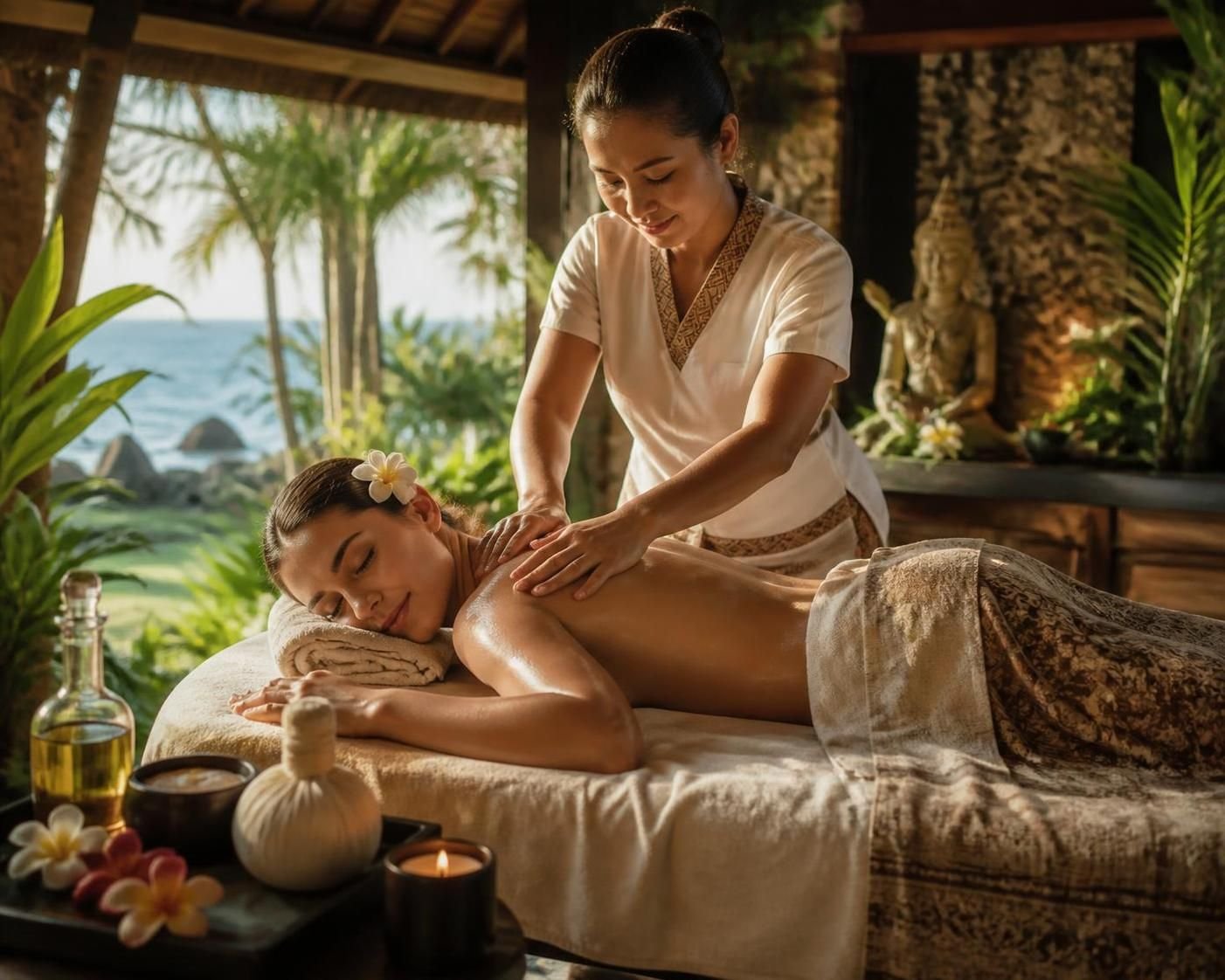
Massage therapy profoundly enhances blood circulation, facilitating the efficient delivery of oxygen and essential nutrients to muscles and organs. Enhanced circulation also accelerates the transport of white blood cells—critical components of the immune system—which patrol the bloodstream to detect and neutralize harmful pathogens.
Improved blood flow supports tissue repair, reduces inflammation, and enhances metabolic activity, all of which are necessary for robust immune responses. For example, patients recovering from injury or chronic inflammation often report faster healing times and reduced discomfort after integrating regular deep tissue or therapeutic massage into their care plan.
One noteworthy case involved a client suffering from autoimmune-related inflammation. After months of combined medical treatment and consistent massage therapy focusing on both relaxation and targeted muscle work, the inflammation markers decreased, and the patient experienced enhanced mobility and reduced fatigue. Such outcomes showcase the powerful synergy massage offers when integrated into comprehensive health strategies.
Moreover, better circulation supports detoxification processes, allowing the kidneys, liver, and lymphatic system to efficiently eliminate metabolic waste and toxins from the body. This balanced internal system leaves the immune system freer to focus on its core role: defending against infections and promoting health.
Below is a table summarizing the key benefits of improved circulation due to massage therapy:
| Effect of Increased Circulation | Immune System Benefit |
|---|---|
| Enhanced white blood cell mobility | Improved detection and elimination of pathogens |
| Better oxygen delivery to tissues | Faster tissue repair and reduced fatigue |
| Accelerated waste removal | Less toxic buildup supports immune efficiency |
| Reduction in muscle tension and inflammation | Lowers chronic stress on the immune system |
The relationship between circulation and immune health is a cornerstone of why massage is more than a luxury—it’s a necessary component of natural wellness maintenance.
Stress Reduction Through Massage: The Natural Path to Immune Resilience
In the Riviera Maya, where a hustling lifestyle meets stunning natural beauty, many find themselves vulnerable to chronic stress—a silent enemy that undermines the immune system. Stress triggers persistent release of cortisol, which directly hampers the function of immune cells, increases systemic inflammation, and disrupts sleep. Massage therapy emerges as a compelling, natural solution to this dilemma.
Regular massage sessions have been clinically proven to lower cortisol levels. By releasing muscular tightness and calming the nervous system, massage shifts the body from a state of tension to one of deep relaxation. This helps restore balance between the sympathetic (fight-or-flight) and parasympathetic nervous systems, creating an environment in which the immune system can operate at peak efficiency.
Stress reduction through massage also encourages better sleep, a vital factor in immune health. When well-rested, the body produces cytokines—proteins essential for regulating immune responses, including fighting infections and inflammation. Many clients report enhanced sleep quality and deeper rest following massage, reinforcing its role as a natural sleep aid.
For those eager to explore practical steps for integrating massage into a daily wellness routine, resources like morning yoga and massage routines offer excellent guidance. This fusion enhances energy, calms the mind, and strengthens immunity from the start of each day.
Who Gains the Most from Immune-Boosting Massage Therapy?
Massage therapy’s immune benefits extend across varied populations, each enjoying tailored effects that align with their specific health challenges or goals. Understanding who benefits the most can illuminate why massage should be embraced as part of a strategic wellness plan.
- Busy professionals: High-stress careers often leave immune defenses compromised. Regular massage helps counterbalance these effects by reducing stress and improving circulation.
- Seniors: Aging naturally weakens the immune system. Gentle therapeutic massage supports improved lymphatic drainage and mobility, enhancing overall vitality.
- Individuals recovering from illness: Massage accelerates healing by promoting blood flow and detoxification, supporting immune restoration.
- People with chronic fatigue or pain: By reducing muscle tension and inflammation, massage helps alleviate symptoms and boosts the immune response.
- Anyone prioritizing natural wellness: Massage complements nutrition, exercise, and rest to maintain a balanced, resilient immune system.
Alongside these benefits, massage treatments such as those provided at AHC Wellness Clinic in Mississauga offer personalized care. Techniques like deep tissue, lymphatic drainage, and Tuina massage are customized to support immune health effectively, promoting long-term wellness rather than just temporary relief. These professional services exemplify how experts blend tradition and science to elevate natural health strategies.
For those interested in exploring the myriad ways massage can assist with specific conditions, including chronic fatigue, the article massage for chronic fatigue: discover relief provides an in-depth look at techniques and benefits that go beyond relaxation.
Integrating Massage into a Holistic Immune Support Routine
To harness the full potential of massage therapy for immune boosting, it’s essential to consider it part of a holistic wellness lifestyle. This approach includes balanced nutrition, regular physical activity, quality sleep, and mindful stress-management practices. When combined, these elements create a synergy that profoundly enhances immune resilience.
Massage acts as a catalyst within this framework, addressing physical blockages, easing mental tension, and regulating internal systems. For example, consistent massage lowers inflammatory markers, reducing the chronic low-grade inflammation that is widely linked to autoimmune diseases and metabolic disorders.
Outlined below are key lifestyle elements that, aligned with regular massage therapy, can amplify immune function naturally:
- Balanced diet rich in antioxidants and vitamins: Foods like berries, green leafy vegetables, and nuts provide essential nutrients that support immune cells.
- Regular exercise: Moderate activity increases circulation and strengthens respiratory function, working hand-in-hand with massage.
- Consistent quality sleep: Sleep allows the immune system to repair and regenerate, making massage’s influence on sleep especially valuable.
- Mindfulness and relaxation techniques: Practices such as meditation and yoga complement massage’s stress-reduction effects.
- Hydration and detoxification: Supporting kidney and lymphatic health enhances massage’s detoxifying benefits.
Adopting this integrative wellness model ensures that massage therapy delivers maximum immune system support, nourishing the body’s defenses in a truly natural and sustainable way.
For a deeper dive into specialized massage traditions that can amplify these benefits, consider exploring the healing heritage of Mexican folk medicine through this insightful resource. It reveals how centuries-old practices continue to play a key role in contemporary holistic health.
Can regular massage prevent colds and flu?
While massage therapy boosts immune function by reducing stress and enhancing circulation, it should complement other preventive measures like vaccination and healthy lifestyle habits. It helps the body respond better to infections but does not guarantee prevention.
How often should I get massages to see immune benefits?
Most people begin to notice immune system improvements with regular sessions every 1-2 weeks. Consistency is key, as ongoing massage helps maintain lower stress levels and better circulation over time.
Are certain massage techniques better for boosting immunity?
Techniques such as lymphatic drainage, therapeutic, and deep tissue massage are particularly effective. Each targets circulation, detoxification, and nervous system balance, essential factors for immune health.
Is massage safe for people with autoimmune conditions?
Massage can be safe and beneficial when tailored to individual needs, especially by trained professionals. It’s best to consult with a healthcare provider before starting therapy to ensure it complements your medical treatment plan.
Can massage improve sleep to indirectly boost immunity?
Yes, by promoting relaxation and reducing muscle tension, massage improves sleep quality. Better sleep supports immune functions like the production of infection-fighting cytokines.