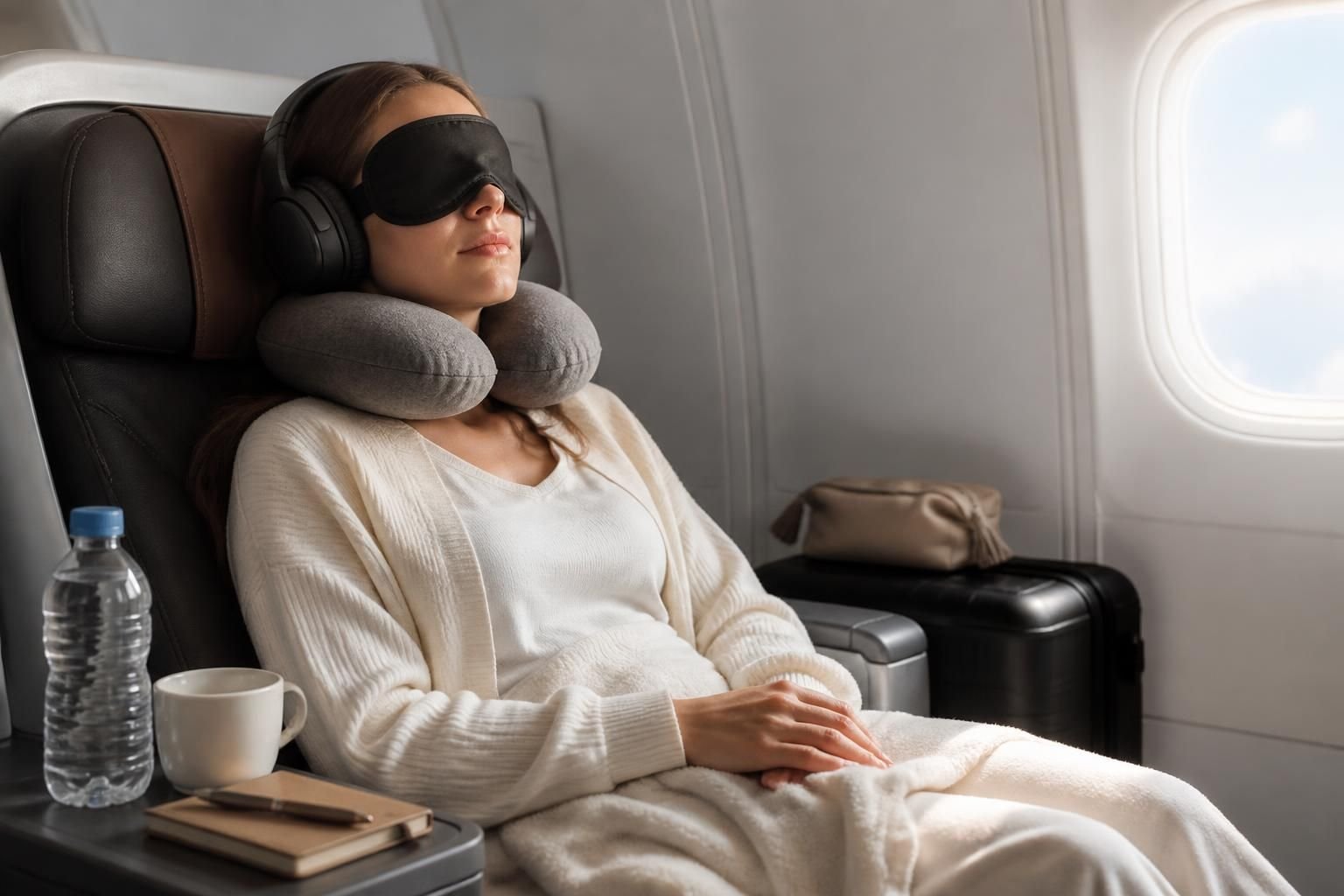

Traveling presents both exciting opportunities and unique challenges, especially when it comes to maintaining a healthy sleep routine. Amid different time zones, unfamiliar environments, and hectic schedules, travelers often struggle to get the restful sleep their bodies need. Without proper rest, the enjoyment and productivity of any journey can significantly diminish, affecting physical and mental wellbeing. This article explores practical travel tips and expert advice designed to help you achieve better rest and a more consistent sleep routine no matter where your travels take you.
Understanding the science behind travel-related sleep disruptions and integrating effective travel sleep hacks can transform your experience. From mastering jet lag prevention to creating a personalized sleep environment, these strategies support your body’s natural rhythms, enhancing daily energy levels and overall trip satisfaction. Embracing healthy sleep habits on the go not only boosts mood and concentration but also fortifies your immune system during extended travel periods.
In brief:
- Travel fatigue and jet lag disrupt sleep by affecting your circadian rhythm and physical state.
- Adapting your sleep hygiene through consistent routines and sleep cues is essential for restful travel.
- Smart scheduling, dietary moderation, and hydration contribute to a more effective sleep routine on the go.
- Creating a calm and comfortable sleep environment mitigates the first-night effect in new locations.
- Integrating wellness activities and gentle massages can enhance relaxation and improve sleep quality while traveling.
Understanding Travel-Induced Sleep Disruptions and How to Combat Them
Travel can profoundly impact your sleep cycle through several mechanisms, primarily travel fatigue and jet lag. Travel fatigue arises from the physical and emotional stress associated with the journey itself. This fatigue encompasses exhaustion, headaches, sleep loss, and discomfort. Factors contributing to travel fatigue include the anxiety linked to packing and logistics, long transportation hours, motion sickness, and the adverse effects of airplane cabin pressure such as dehydration and digestive issues.
For example, many travelers report difficulty sleeping upright during flights or trains, and poor seating conditions can exacerbate discomfort. The accumulation of such stressors during travel not only disrupts sleep but can also intensify existing health problems, making it crucial to address these issues proactively.
Jet lag, a common challenge for those crossing three or more time zones, occurs when the body’s circadian rhythm remains synchronized to the home time zone rather than the destination. The resulting symptoms include difficulty falling asleep, daytime drowsiness, impaired concentration, and gastrointestinal disturbances. Jet lag typically resolves in several days but can linger up to weeks for frequent international travelers.
Traveling east generally causes more pronounced jet lag symptoms than traveling west, making strategic planning essential when itinerary permits. Awareness of this can guide travelers to employ targeted jet lag prevention tactics such as timed light exposure or melatonin supplements.
In addition to circadian disruptions, altered schedules and environmental changes can disturb the sleep routine. Guests frequently experience the “first-night effect”—the tendency for sleep to be lighter and more fragmented in new surroundings. This phenomenon might be an evolutionary safety mechanism, keeping part of the brain alert in unfamiliar environments. Although usually temporary, the effect can be compounded by noisy or poorly equipped accommodations.
Changes in diet and exercise routines—a common occurrence during vacations or business trips—also influence sleep patterns. Excess alcohol or caffeine intake, heavy meals close to bedtime, and decreased physical activity contribute to poorer sleep quality, underscoring the importance of mindful habits during travel.
The good news is that travelers can take meaningful steps to mitigate these disruptions. Awareness paired with deliberate strategies enhances adaptation and preserves sleep quality, enabling travelers to arrive refreshed and ready to engage fully in their adventures.
Establishing a Consistent Sleep Routine for Better Rest on the Go
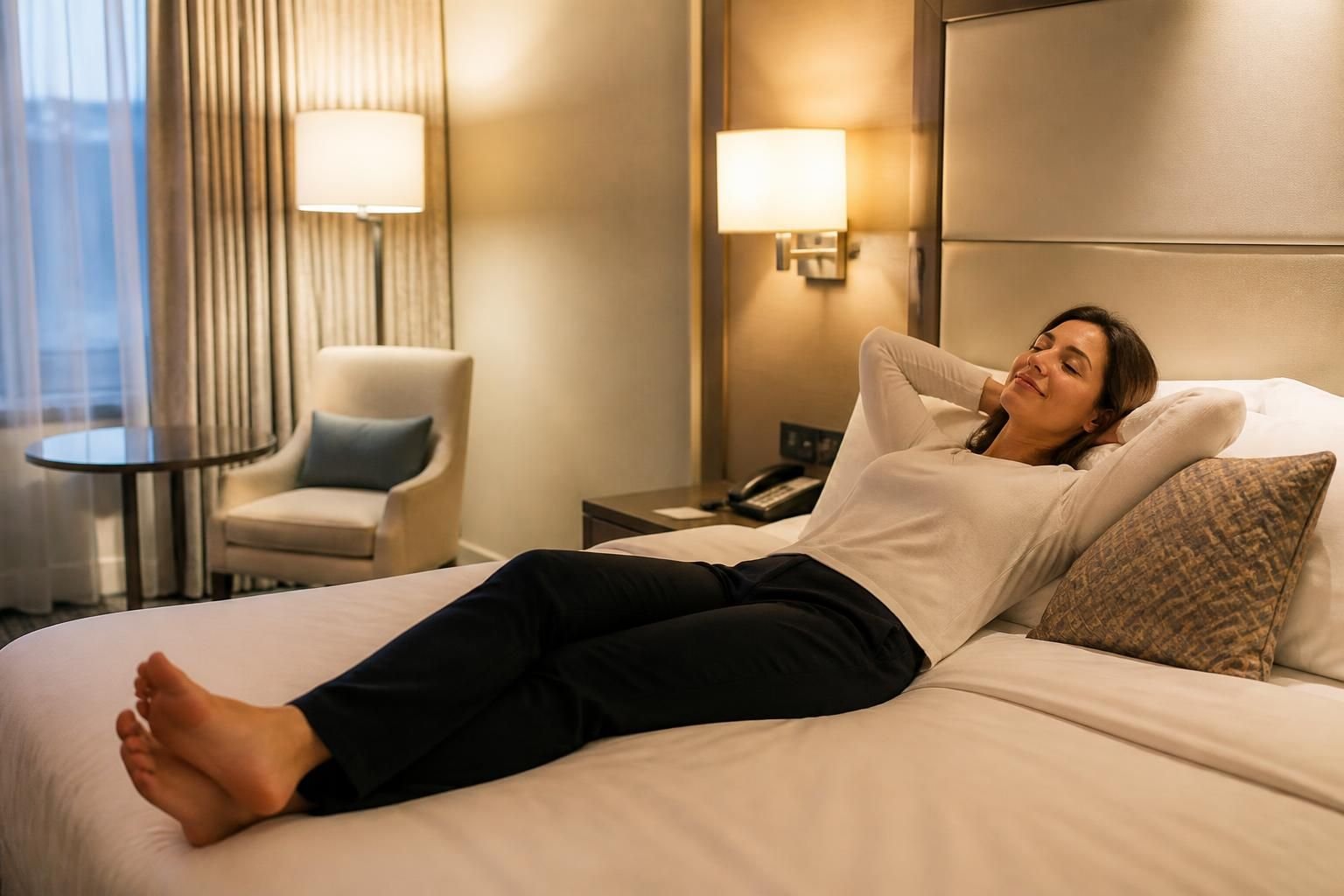
Maintaining a consistent sleep routine during travel can often feel impossible but is one of the most effective methods to ensure better rest. Your internal clock thrives on predictability, so replicating elements of your at-home bedtime rituals offers significant benefits while on the move.
Start by setting a regular bedtime and wake time aligned with your typical schedule as closely as possible. While this requires discipline amid changing environments, it helps signal to your body when it’s time to wind down and prepare for sleep. Incorporating familiar activities, such as reading a book, gentle stretching, or listening to calming music, further cues your body that it’s time for rest.
Travelers benefit greatly from implementing healthy sleep hygiene practices that include minimizing exposure to screens at least an hour before bedtime, avoiding caffeine and alcohol near sleep time, and keeping the sleep environment cool and dark. For example, packing a sleep mask or using a portable white noise device can create a more consistent and soothing environment. These simple adjustments promote melatonin production and help you fall asleep faster and enjoy deeper, more restorative sleep cycles.
Scheduling mindfulness or relaxation sessions can also lower stress and improve sleep quality. Some travelers find that gentle massage techniques, such as scalp or lymphatic drainage massages, aid relaxation and relieve tension accumulated during travel. Discovering such stress-relief methods enhances not just the quality of sleep but overall wellness. For more insights on incorporating relaxation into your travel routine, explore effective scalp massage techniques for stress relief.
The key lies in treating your sleep routine not as a rigid obligation but as a comforting ritual that honors your body’s needs despite the unpredictability of travel schedules.
Crafting the Ideal Sleep Environment to Enhance Restful Travel
Creating a sleep environment conducive to rest becomes especially critical when away from home, as unfamiliar settings often hinder deep sleep. Several factors influence how suited a location is for quality sleep, including lighting, noise levels, bed comfort, room temperature, and air quality.
Effective travelers come prepared by carrying travel essentials that replicate their home sleep environment. Lightweight blackout curtains or eye masks block disruptive light, while earplugs or white noise apps counteract unwanted sounds. Selecting accommodations mindful of noise insulation or requesting quiet rooms can also reduce environmental disturbances.
Comfortable bedding plays a pivotal role. A firm yet cushioned mattress and supportive pillows can prevent aches and restless tossing. When possible, consider upgrading your hotel bedding experience by booking a room known for superior mattress quality or requesting a mattress topper to enhance softness.
Maintaining an optimal temperature is often overlooked but crucial, as cooler rooms typically facilitate faster sleep onset and higher sleep quality. Portable fans or climate control via hotel room thermostats can help achieve this balance.
Air quality impacts respiratory comfort and sleep depth. Consider using a compact air purifier or choosing lodging with good ventilation, especially if traveling to urban or wildfire-affected areas. For instance, during wildfire season, it’s vital to keep rooms sealed and air filtered to avoid toxic particles that can disturb rest.
For travelers seeking to combine wellness with sleep environment optimization, many resorts now provide in-room massage services to promote relaxation upon arrival, helping overcome the first-night effect and jet lag fatigue. Those interested in this holistic approach can find valuable guidance on booking private massages for ultimate relaxation at their destination.
Personalizing your sleep environment not only enhances nightly rest but also supports recovery from travel stresses, setting the foundation for days full of energy and focus.
Essential Travel Sleep Hacks and Nutritional Tips for Better Rest on the Go
Beyond routines and environments, smart lifestyle choices substantially impact how well you sleep during travel. Amid fluctuating schedules and limited amenities, adopting travel sleep hacks involving nutrition, hydration, and daily activity can dramatically improve rest quality.
Hydration is critical—dry airplane cabins increase fluid loss, which can exacerbate fatigue and interfere with sleep. Drinking ample water before, during, and after flights helps maintain bodily balance and reduces symptoms such as headaches and irritability, which can impair rest.
Nutrition plays a decisive role. Opting for light, balanced meals instead of heavy or processed foods promotes digestive ease at night. Moreover, limiting alcohol and caffeine intake is essential, as these substances disrupt deep sleep phases and exacerbate jet lag severity.
Regular physical activity maintains healthy circadian rhythms and promotes sleepiness in the evening. Even when travel schedules are tight, incorporating light exercise like walking, yoga, or stretching can elevate mood and optimize sleep patterns. However, avoid exercising too close to bedtime, as this may overstimulate the body and delay sleep onset.
Short naps can serve as effective mini-resets, especially following long travel days. Keeping naps brief—ideally 10 to 30 minutes—prevents interference with nighttime sleep while reducing daytime sleepiness. Understanding how to integrate these naps strategically is an important travel sleep hack for maintaining alertness.
Here is a brief table summarizing key nutritional and lifestyle strategies to support better sleep while traveling:
| Strategy | Recommended Practice | Impact on Sleep |
|---|---|---|
| Hydration | Drink ≥8 glasses of water daily, especially during flights | Reduces fatigue, headaches, and promotes restorative sleep |
| Nutrition | Choose light meals; limit alcohol/caffeine near bedtime | Improves digestion and stabilizes sleep cycles |
| Exercise | Engage in moderate physical activity during the day | Enhances circadian rhythm and sleep quality |
| Napping | Take 10-30 minute naps strategically during daytime | Boosts alertness without disrupting nighttime sleep |
Travelers interested in holistic wellness can also incorporate gentle massage options for different ages during vacations, which support relaxation and rejuvenation for the whole family. For further details, see our insights on gentle massage options during family travel.
Adapting to Different Time Zones and Preventing Jet Lag for a Restful Trip
Flight-induced time zone changes challenge the body’s internal clock, often leading to jet lag. However, by proactively aligning your habits to local time upon departure or arrival, you can minimize symptoms and re-establish a healthy sleep rhythm faster.
One effective approach is to gradually shift your sleep and wake times closer to your destination’s schedule before traveling. If that’s not possible, upon arrival, get plenty of natural sunlight during the day to recalibrate your circadian clock and avoid unnecessary napping which can prolong jet lag.
Additionally, controlling exposure to light in the evening by using blue light-blocking glasses or dimming indoor lighting supports melatonin production essential for falling asleep. Some travelers benefit from short-term melatonin supplementation, but this should be discussed with a healthcare provider to ensure safe use.
Maintaining good sleep hygiene and adopting travel sleep hacks such as using cooling blankets or wearable sleep aids can support temperature regulation and comfort, significantly improving sleep onset and depth during adjustment periods.
Here are practical steps to manage time zone changes and jet lag:
- Shift sleep schedules gradually before travel when possible.
- Seek natural daylight in the morning at your destination.
- Use sleep masks and earplugs to block environmental distractions.
- Avoid heavy meals and caffeine close to bedtime.
- Consider relaxation therapies like massage to ease stress and promote sleep.
Implementing these methods ensures that your trip is marked by vitality and clear-headedness rather than exhaustion and disorientation. With appropriate adjustments, arriving early to a crucial business meeting or embracing a vacation day with vigor becomes much more achievable.
What are the best travel sleep hacks to reduce jet lag?
Gradually adjusting sleep times before travel, maximizing sunlight exposure, avoiding caffeine and alcohol before bedtime, using sleep masks and earplugs, and incorporating relaxation techniques such as massages can greatly reduce jet lag symptoms.
How can I create a better sleep environment in unfamiliar hotel rooms?
Bring tools like eye masks, earplugs, or white noise machines, choose accommodations known for comfort and quiet, set room temperature to a cool, comfortable level, and request bedding upgrades when possible to improve your sleep environment.
Is it helpful to maintain my home sleep routine while traveling?
Yes, sticking to familiar pre-sleep activities and consistent bedtimes helps reinforce your body’s natural rhythm, making it easier to fall asleep and achieve healthy sleep during travel.
How does diet influence sleep quality while traveling?
Eating light meals, avoiding heavy, spicy foods, and limiting alcohol and caffeine intake support digestion and prevent sleep disturbances, leading to improved sleep quality on the go.
Can massages really enhance sleep quality during travel?
Massage therapies relieve muscle tension, reduce stress hormones, and promote relaxation, which collectively improve the quality of sleep. Options tailored for travelers, including gentle massages for all ages, can be especially beneficial.