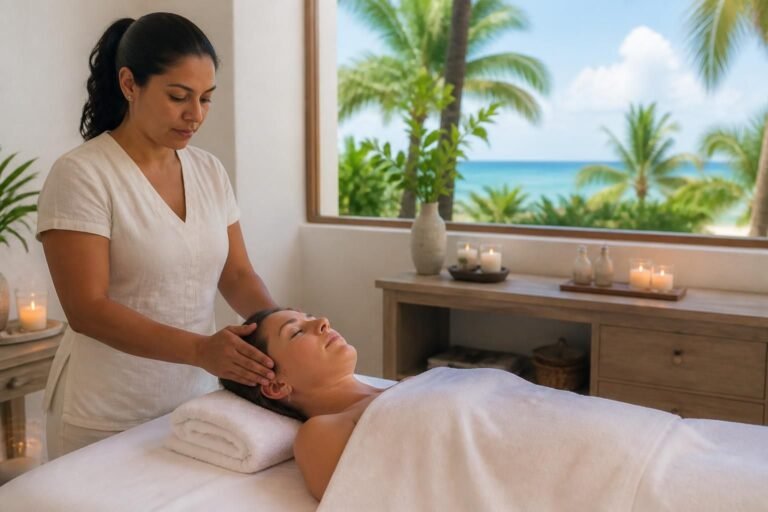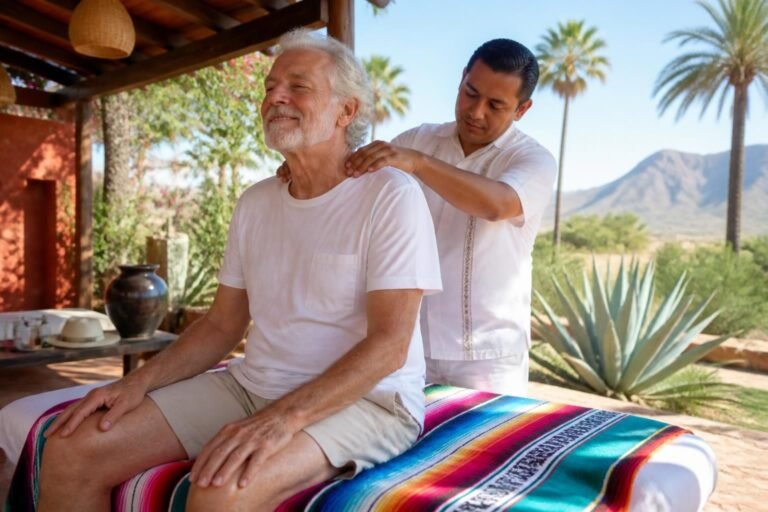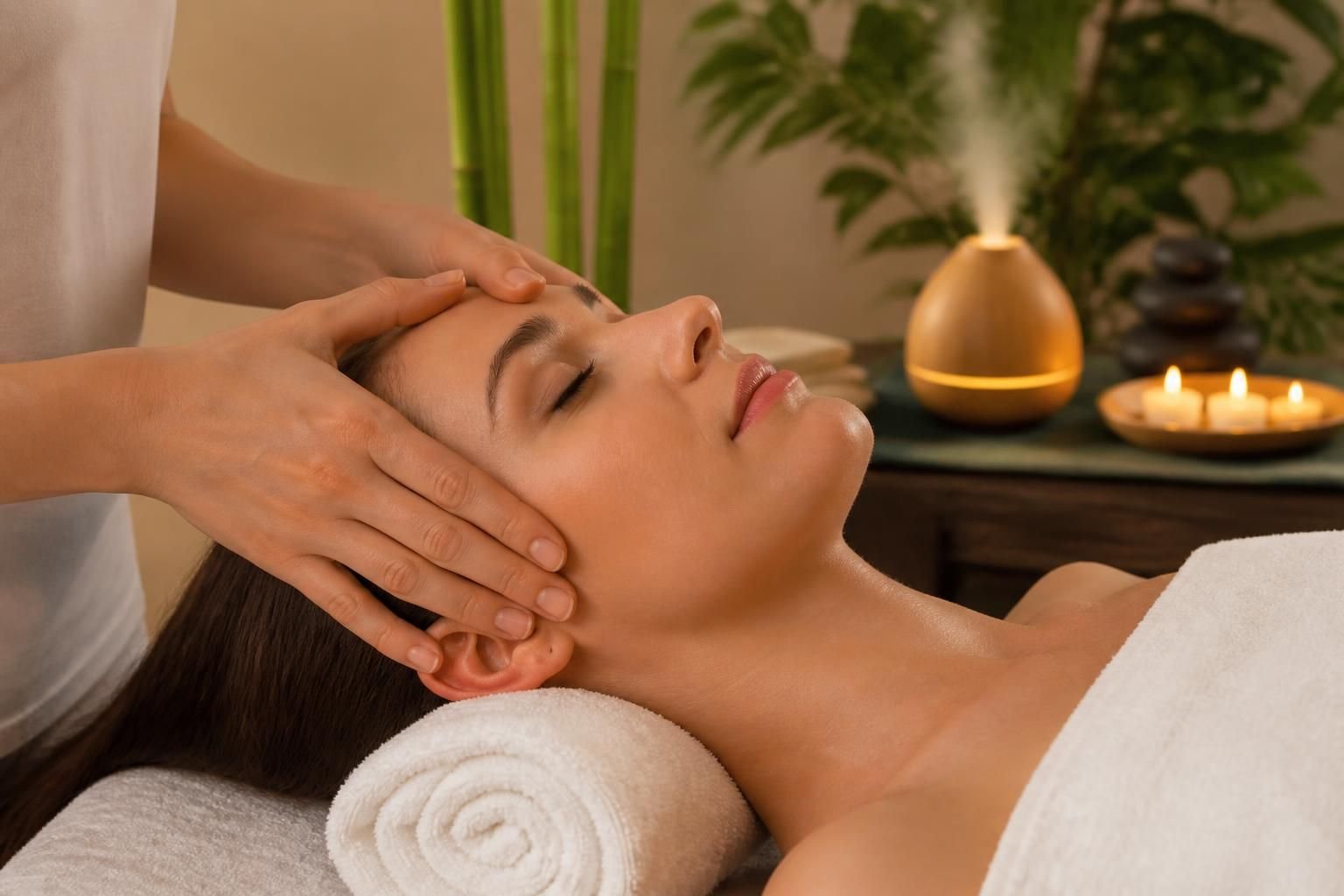

Migraine sufferers often face relentless pain, sensitivity to light, and nausea that disrupt their daily lives. While traditional medications offer relief, many seek natural alternatives that not only alleviate symptoms but also minimize dependency on pharmaceuticals. Massage therapy emerges as a significant avenue for natural relief, targeting both the muscular and neurological components of migraines. Through expert techniques in the Riviera Maya, where wellness culture thrives, therapeutic massage becomes a potent tool for managing migraine pain and promoting overall relaxation.
Understanding the intricate nature of migraines is essential. These are not just simple headaches but complex neurological episodes involving disrupted blood flow, nerve hypersensitivity, and chemical imbalances in the brain. Skilled massage therapists blend science with intuition, employing methods that reduce muscle tension, encourage stress reduction, and enhance circulation— all critical for migraine relief. If you are battling chronic headaches, exploring these natural strategies may offer lasting benefits without side effects.
How Massage Therapy Alleviates Migraine Pain Naturally
Massage therapy influences migraine relief by addressing underlying physical and neurological triggers. It differentiates from mere relaxation techniques by targeting the root causes of headache treatment, particularly muscular tightness and stress. Migraines frequently relate to tension and spasms in the neck, shoulders, and scalp regions. By releasing this tension through precise massage strokes, clients experience significant reductions in both frequency and severity of migraine episodes.
Muscle Tension Reduction: Tightness in the upper trapezius, sternocleidomastoid, and suboccipital muscles often triggers migraines. Targeted massage therapy relaxes these muscles, relieving the pressure on associated nerves and diminishing pain signals.
Stress Reduction: Stress is a well-known trigger for migraines. Through activating the parasympathetic nervous system, massage induces deep relaxation, lowers cortisol levels, and counteracts stress-induced chemical changes that can precipitate headaches.
Circulation Improvement: Enhanced blood flow to the brain and neck tissues improves oxygenation and nutrient delivery, crucial for preventing and alleviating migraine attacks.
Endorphin Release: Like physical exercise, therapeutic massage stimulates the release of endorphins, natural painkillers that interrupt pain signaling pathways, creating a natural analgesic effect.
One client recounts, “Before discovering massage, my migraines felt like an unavoidable sentence. Now, these treatments give me control and real relief.” This testimonial underscores how massage therapy moves beyond relaxation into effective pain relief embedded in neurological science.
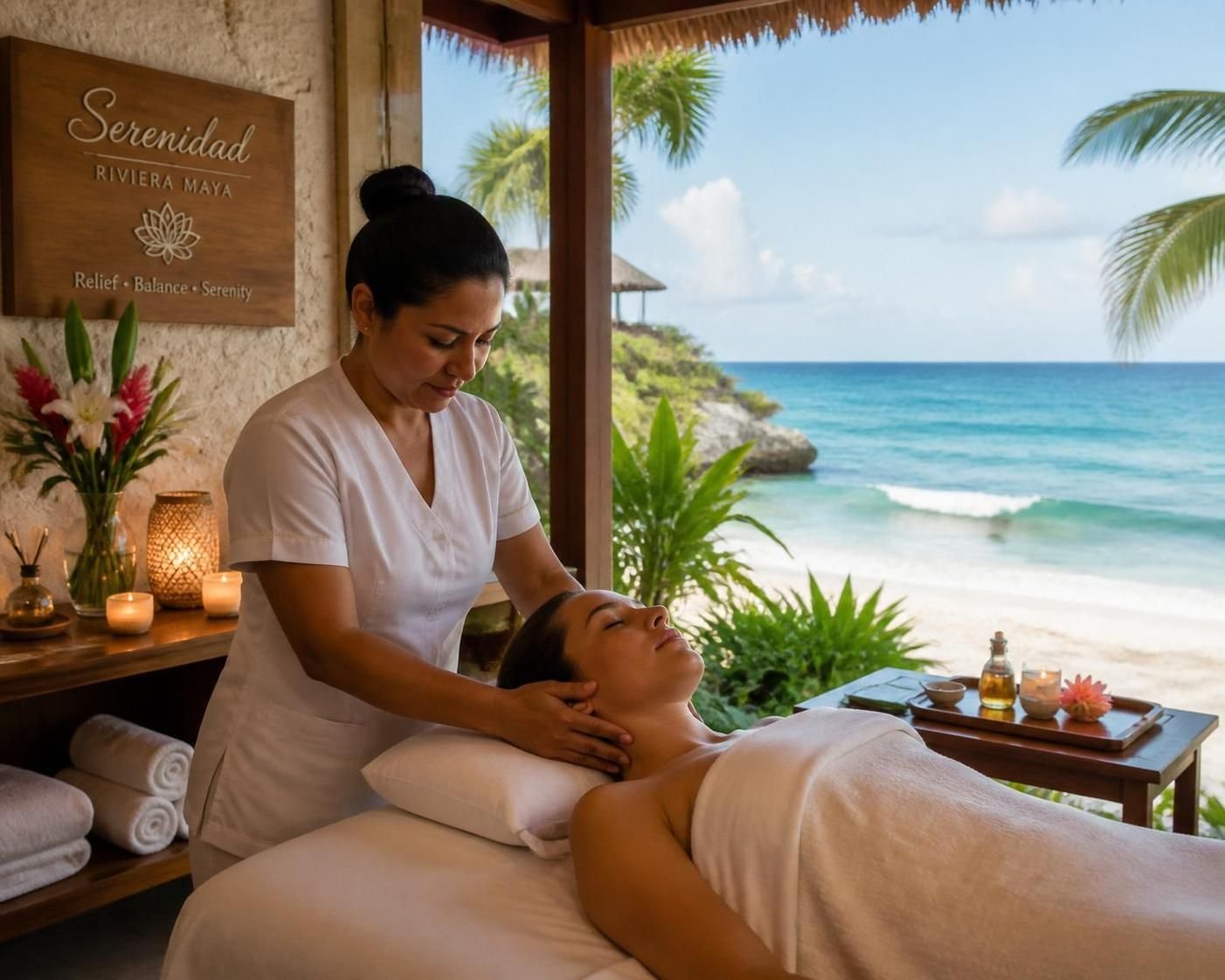
Most Effective Massage Techniques to Combat Migraines
Decades of experience in the field have identified massage techniques especially suited to migraine relief. Each method targets pain differently, making it crucial to select the right approach according to the individual’s migraine type and sensitivity.
Trigger Point Therapy
This method involves applying sustained pressure on hyperirritable spots within muscle fibers, commonly found in the neck and upper shoulders. For migraine sufferers, trigger point therapy often addresses knots in the sternocleidomastoid (SCM) muscle, which can refer pain to the forehead and behind the eyes.
By focusing on these points, tension pathways that lead to migraine symptoms are disrupted, providing both immediate relief and longer-term reduction in episode intensity.
Swedish Massage
When deep pressure is intolerable, especially during an active migraine, Swedish massage offers gentle, flowing strokes that promote overall relaxation and reduce anxiety. This technique is effective in improving sleep quality, which is an essential aspect of migraine prevention.
Deep Tissue Massage
Between migraine attacks, deep tissue massage focuses on chronic muscle tension, particularly in neck and shoulder areas. Addressing postural imbalances and muscle adhesions through these deeper manipulations helps prevent migraines by resetting muscle memory to a more relaxed state.
Craniosacral Therapy
This gentle, non-invasive technique targets the craniosacral system involving the membranes and cerebrospinal fluid surrounding the brain and spinal cord. It is often well-tolerated by clients with vestibular or highly sensitive migraines. Its light touch helps regulate nervous system function and reduces migraine-associated dizziness and vertigo.
Indian Head Massage with Aromatherapy Integration
By combining rhythmic pressure on head, neck, and shoulders with essential oils, this treatment not only alleviates muscular tension but also enhances relaxation through olfactory stimulation. Studies show that aromatherapy massage improves pain severity and quality of life in acute migraine sufferers.
| Technique | Best For | Pressure Level | When to Use | Key Benefits |
|---|---|---|---|---|
| Trigger Point Therapy | Tension-related migraines | Moderate to firm | Between attacks or early onset | Releases muscle knots referring pain to head |
| Swedish Massage | Stress-induced migraines | Gentle to moderate | During or between attacks | Promotes relaxation, anxiety reduction, better sleep |
| Deep Tissue Massage | Prevention and chronic tension | Firm to deep | Between attacks | Corrects posture, releases chronic muscle tightness |
| Craniosacral Therapy | Vestibular migraine, sensitive clients | Very light | During or between attacks | Regulates cerebrospinal fluid, reduces vertigo |
| Indian Head Massage | Stress and acute migraines | Gentle to moderate | Early onset or between attacks | Improves circulation, relaxes head and neck muscles |
Choosing the most effective massage technique depends on the migraine phase and individual tolerance levels. An experienced therapist in the Riviera Maya will customize treatment accordingly, ensuring maximum therapeutic benefit.
Targeting Key Areas for Lasting Migraine Relief through Massage
Successful headache treatment with massage requires focusing on specific anatomical regions displaying the highest tension and influence on migraine pathways. The therapies prioritize these areas to unlock relief and prevent recurrence.
The Head and Scalp
The suboccipital muscles located at the base of the skull are often tightly contracted in migraine sufferers. Releasing tension here with gentle circular or sustained pressure often yields rapid symptom improvement. Similarly, massaging the temporalis muscle on the temples alleviates stress that accumulates during migraine onset.
The Neck and Shoulders
Because cervical nerves connect directly with the migraine-generating trigeminal nerve, reducing neck tension is crucial. Muscles like the trapezius, levator scapulae, and sternocleidomastoid commonly harbor trigger points that refer pain to the head.
Massaging these muscles in a way that unwinds their chronic tightness has been described by clients as akin to untangling tightly coiled Christmas lights. This imagery perfectly captures the liberation from pain that expert massage provides.
Face and Jaw
Undiagnosed jaw clenching can perpetuate a cycle of muscle tension that aggravates migraines. Gentle massage of the masseter and the temporomandibular joint (TMJ) region often eases this hidden trigger, further amplifying relief.
Effective Pressure Points for Migraines
Incorporating pressure point therapy adds an energetic dimension to therapeutic massage. Here are some essential points well-regarded for headache relief:
- GB20 (Gates of Consciousness): At the base of the skull, in the hollows beside the neck muscles.
- LI4 (Union Valley): The web between thumb and index finger, effective but avoided during pregnancy.
- Yintang (Third Eye Point): Between the eyebrows, known for calming the nervous system.
- Taiyang (Temple Region): In the temples’ depressions, a hotspot for migraine pain reduction.
Applying gentle, steady pressure while encouraging slow, deep breaths can significantly ease migraine symptoms.
Integrating Professional and Self-Massage Techniques for Sustainable Relief
Long-lasting migraine relief combines skilled massage with at-home self-care. Clients are empowered with self-massage routines to apply at the first signs of migraine or for maintaining muscle health between sessions.
- Suboccipital Release: Lying on your back with a tennis ball placed under the base of your skull, gently nodding to release tight spots.
- Temple Massage: Circular fingertip motions on temples paired with deep breathing.
- Jaw and Face Massage: Massaging along the jawline and TMJ area, sometimes combined with warm compresses.
- Neck and Shoulder Self-Massage: Using hands or massage tools to knead tight areas in the trapezius and shoulder muscles.
Professional guidance ensures these techniques are executed safely and effectively, avoiding discomfort while maximizing benefits. For enthusiasts eager to explore advanced options, investing in quality massage devices can amplify natural pain relief and ease daily tension.
To explore specialized massage services that align with migraine relief, consider the benefits of cranial massage therapy in Tulum or experience the relaxing power of acupressure massage in Playa del Carmen. Both locations offer expert practitioners adept at migraine-focused therapeutic massage tailored to individual neurological and muscular needs.
Personalized Massage Protocols: Timing and Frequency for Optimal Migraine Relief
Maximizing pain relief from therapeutic massage depends on timing treatments appropriately during different migraine phases.
Between Migraines: Prevention Focus
Regular massage sessions, ideally 2-3 times per week initially tapering to monthly maintenance, provide deep tissue muscle reset and trigger point management, helping to reduce migraine frequency and severity.
During Prodrome (Early Symptoms)
Implementing gentle massage techniques as soon as early symptoms arise helps to mitigate escalation. Sessions of 30-45 minutes focus on suboccipital release and craniosacral therapy, typically using light touch to avoid aggravation.
During Active Migraine Attacks
While aggressive treatment is contraindicated, gentle scalp massage, pressure point stimulation, and craniosacral holds for 15-30 minutes can relieve discomfort without triggering increased pain. Creating a calm, dark environment with minimal stimuli complements this approach.
Understanding this nuanced approach empowers clients and therapists to adapt the protocol dynamically while emphasizing safety and comfort during acute phases.
Key Benefits and Practical Considerations of Massage for Migraine Management
Therapeutic massage stands as a valuable component of a holistic migraine relief strategy, emphasizing natural relief and reducing medication reliance. Some of the primary advantages include:
- Non-invasive pain relief: Massage avoids side effects common to medications, supporting safe long-term management.
- Stress reduction: Regular sessions curb the cascade of stress hormones that commonly trigger migraines.
- Enhanced sleep quality: Sleep improvement through relaxation contributes to fewer migraine episodes.
- Improved posture: Addressing muscular imbalances helps prevent tension buildup that leads to headaches.
- Empowerment through self-care: Clients retain control by learning self-massage and relaxation techniques reducing dependency on external treatments.
Approaching migraine relief holistically through massage can transform the often desperate search for effective headache treatment into a manageable lifestyle choice centered on health and wellbeing.
Which massage techniques are best for migraine relief?
Trigger point therapy and Swedish massage are highly effective. Craniosacral and Indian head massage suit sensitive individuals or during migraine attacks.
Can massage therapy prevent migraines?
Yes, regular massage focusing on deep tissue work and trigger point release helps reduce the frequency and intensity of migraines.
Is massage safe during a migraine attack?
Gentle techniques like light scalp and temple massage, craniosacral therapy can ease pain, but pressure should be minimal and sessions brief.
What self-massage techniques help with migraines?
Suboccipital release with a tennis ball, gentle temple circles, jaw massage, and trapezius kneading provide rapid relief when done correctly.
Should massage be combined with other therapies for migraines?
Integrating massage with acupuncture, physical therapy, hydration, and stress management maximizes natural relief and overall health.