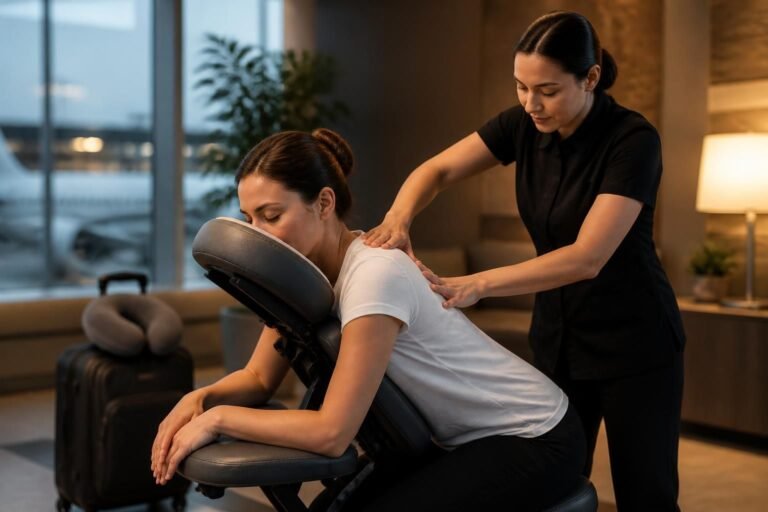
In the vibrant heart of Mexico’s Riviera Maya, a growing number of new moms are turning towards postnatal massage as a vital part of their postpartum care. Beyond a luxury, postnatal massage offers a comprehensive wellness approach that aids in muscle recovery, alleviates stress, and nurtures maternal health during one of life’s most transformative phases. This therapeutic practice harnesses traditional techniques enriched by modern understanding, offering profound relaxation and physical healing specially designed for new moms adjusting to the demands of motherhood and the physical aftermath of childbirth. As maternal wellness gains prominence in healthcare circles across Mexico, the integration of postnatal massage highlights a promising fusion of cultural heritage and medical science.
Mexico’s unique cultural landscape is gradually recognizing the importance of comprehensive postpartum healing practices. New moms face the simultaneous challenges of physical recovery and emotional adjustment, making stress relief and proper body restoration essential. The physical toll after delivery — including sore muscles, hormonal fluctuations, and sleep deprivation — demands targeted therapies that support healing while providing essential relaxation. Postnatal massage practitioners here cater thoughtfully to these needs, adapting massages that focus on hormonal balancing, improved lactation, swelling reduction, and tension relief, all tailored to the postpartum body’s dynamic state. This rise in popularity reflects a broader move toward empowering maternal health through nurturing, holistic care, ensuring new mothers in Mexico feel supported both physically and emotionally as they embrace their new roles.
What sets postnatal massage apart in Mexico is its integrative approach. Alongside traditional massage strokes, specialists incorporate herbal compresses, lymphatic drainage techniques, and gentle scar tissue work, especially relevant for mothers recovering from cesarean sections. Each session is not just about relief but also about rebuilding strength and fostering a deep connection between mind and body. The relaxing environment common in Riviera Maya spas enhances this experience, creating a sanctuary where physical recovery coincides with mental tranquility. This fusion makes postnatal massage an indispensable part of postpartum care in Mexico, offering new moms the well-rounded support they deserve during the demanding yet beautiful postpartum journey.
Below, we explore the many dimensions of postnatal massage and its specific benefits for new moms in Mexico — from healing hormonal imbalances and easing muscle tension, to promoting better sleep and encouraging mother-baby bonding. This detailed examination aims to offer both information and motivation for mothers considering this therapeutic option and for healthcare professionals championing maternal wellness within a culturally rich context.
Whether it is your first child or you are supporting a loved one through the postpartum phase, understanding the value and science behind these massages encourages a new standard of care that aligns traditional wisdom with modern maternal health needs. Dive into these insights and discover why postnatal massage continues to flourish as a key pillar of postpartum recovery in Mexico’s captivating Riviera Maya.
Key Points:
- Postnatal massage is a vital part of postpartum care, focusing on physical recovery and stress relief for new moms.
- Its benefits include enhanced muscle recovery, hormonal regulation, improved sleep, and better breastfeeding support.
- Specialized techniques like lymphatic drainage and scar tissue massage are tailored for both vaginal and cesarean deliveries.
- In Mexico, cultural traditions merge with modern wellness practices, enriching the healing experience.
- Choosing a certified therapist with expertise in maternal health is crucial for safe and effective care.
Why Postnatal Massage Is Essential for New Moms in Mexico’s Riviera Maya
Giving birth is one of life’s most profound biological and emotional experiences, often leaving new moms both exhilarated and physically exhausted. In the Riviera Maya, a region known for its serene beaches and holistic healing culture, postnatal massage has emerged as a crucial therapy responding to the unique demands of postpartum care.
The physical stresses after delivery—including muscle strain in the lower back and shoulders, soreness from breastfeeding postures, and managing fatigue—can strain the body considerably. Postnatal massage aims to alleviate this strain through targeted muscle relaxation techniques that improve blood circulation and accelerate recovery. The massage also plays a significant role in stress relief, helping new mothers counter postpartum anxiety and exhaustion by promoting deep mental relaxation and emotional wellness.
Swedish massage techniques are commonly integrated, utilizing a series of gentle strokes such as effleurage and petrissage that soothe muscle tension and enhance lymphatic flow. These strokes promote elimination of excess fluids, minimizing swelling in extremities—a common postpartum complaint. The application of warmth through oils or herbal compresses native to Mexican traditional medicine enhances circulation and imparts a calming effect, providing both physical comfort and mental peace.
Another vital advantage of postnatal massage in Mexico is its positive impact on breastfeeding. By stimulating the production of prolactin—the hormone responsible for milk supply—massage sessions can help mothers facing breastfeeding challenges. Additionally, breast massage reduces pain and engorgement, making feeding more comfortable and boosting bonding between mother and child. This contributes to emotional well-being, nurturing the maternal-infant connection in these critical early months.
Postnatal massage also supports hormone regulation, counteracting the imbalance caused by the steep drop in pregnancy hormones and fluctuations linked to lactation. Hormonal stability is linked to improved mood and sleep quality, both essential for new moms managing the demands of newborn care. Anecdotal evidence from local practitioners suggests mothers report feelings of enhanced relaxation, less anxiety, and improved energy after just a few massage sessions.
In the cultural tapestry of Mexico, wellness rituals have long celebrated the importance of postpartum restoration. Today, many spas along the Riviera Maya incorporate these traditions, blending them with evidence-based massage therapy to create a comprehensive postpartum program. A commitment to maternal health through such integrative care is reshaping postpartum recovery, making postnatal massage a cornerstone of new mom wellness in this region.
Timing and Safety: When and How New Moms Can Begin Postnatal Massage in Mexico
Starting postnatal massage at the right time is critical to ensuring safety and maximizing benefits. In Mexico, new mothers typically consult with their healthcare providers to determine the appropriate moment based on their individual birth experiences.
For mothers who had a vaginal delivery without complications, massage can generally begin within 4 to 5 days postpartum. This early intervention can accelerate muscle recovery, reduce swelling, and offer much-needed relaxation in the initial days of motherhood. However, caution is exercised to avoid direct pressure on sensitive abdominal areas until healing progresses.
Cesarean births require a more cautious timeline. Medical experts in Mexico recommend waiting at least 6 weeks for the incision and internal tissues to heal sufficiently before beginning massage therapy on or around the abdomen. Scar tissue massages are then introduced gradually to improve tissue flexibility and reduce adhesions, always guided by a doctor’s clearance.
Regardless of delivery type, postnatal massage sessions prioritize gentle techniques adapted to the mother’s comfort level and physical readiness. This individual approach ensures the body’s healing process is supported without overstressing sensitive areas. In Mexico’s clinical and spa settings, therapists often collaborate with obstetricians and midwives for tailored postpartum care plans.
Precautions also extend to the types of oils and products used during massage. Therapists choose natural, hypoallergenic oils that align with skin sensitivities, keeping in mind the safety of both mother and breastfeeding infant. Oils such as mustard and herbal blends are favorites, known not only for their warming properties but also for their cultural significance in promoting healing.
This careful approach is vital given the high importance placed on maternal health in Mexico’s healthcare agenda for 2026. The balance between traditional practices and modern safety protocols exemplifies how postnatal massage supports a woman’s body through a well-informed, holistic healing journey.
Key safety considerations include:
- Obtaining medical clearance, especially after cesarean delivery or complicated births.
- Avoiding direct pressure on the abdomen until fully healed.
- Using oils that are safe and non-irritating for both mother and baby.
- Practicing gentle lymphatic massage techniques for swelling rather than deep tissue pressure.
- Listening to the body’s cues to adjust or reschedule sessions as needed.
Specialized Postnatal Massage Techniques Tailored for Maternal Wellness
Postnatal massage employs a variety of techniques designed to address the unique physical and emotional needs of new moms in Mexico. Skilled therapists blend traditional practices with modern massage science to provide a deeply restorative experience.
Swedish Massage remains one of the most popular base techniques due to its gentle strokes that promote relaxation and muscle recovery. Techniques like effleurage (long, sweeping strokes) and petrissage (kneading muscles) release tension especially in the back, shoulders, and legs—areas heavily burdened from childbirth and infant care.
Jamu Massage is a unique practice in Riviera Maya spas that incorporates healing herbs native to Mexico and volcanic stone compresses. This treatment supports abdominal muscle tightening and helps new moms regain core strength faster. Volcanic stones provide warmth that enhances blood flow and deeply relaxes muscles, accelerating healing.
Foot Reflexology targets specific acupressure points on the feet corresponding to different organs and glands. This helps stimulate the body’s natural healing mechanisms and promotes overall wellness, including improved digestion and hormonal balance—critical aspects for postpartum mothers.
Herbal Baths often follow massage sessions as a traditional method to soothe veins, reduce postpartum odors, and refresh the body. Infused with native roots and spices, these baths serve both physical cleansing and mental relaxation purposes.
Acupressure focuses on applying subtle, strategic pressure to points that alleviate discomforts such as back pain, edema, and mood fluctuations. This technique is especially valued in Mexico’s holistic postpartum care for its non-invasive approach.
Each of these techniques is carefully selected and combined based on the new mom’s recovery stage and individual needs. Therapists emphasize communication, frequently checking comfort levels and adapting pressure to ensure a safe and effective session.
| Massage Technique | Main Benefits | Typical Use Case |
|---|---|---|
| Swedish Massage | Relaxes muscles, improves circulation, promotes stress relief | General postpartum recovery and muscle tension |
| Jamu Massage | Strengthens abdominal muscles, accelerates core recovery | Post-birth abdominal support, especially in traditional Mexican spas |
| Foot Reflexology | Stimulates organ function and hormonal balance | Overall wellness and hormone regulation |
| Herbal Baths | Soothes veins, removes postpartum odors, refreshes the body | Post-massage relaxation and cleansing |
| Acupressure | Reduces pain and swelling, balances mood | Targeted relief for back pain and emotional support |
Integrating Postnatal Massage into Holistic Postpartum Care for Enhanced Bonding
The postpartum period is not only about physical recovery but also about nurturing mental and emotional wellness. Postnatal massage plays a crucial role in supporting new moms’ mental health, which significantly impacts maternal-infant bonding — a cornerstone of early childhood development.
Massage-induced relaxation lowers cortisol, the stress hormone, while boosting serotonin and dopamine levels, which improve mood and promote a feeling of well-being. These hormonal shifts help reduce postpartum depression risk and create a more positive, calm mindset conducive to engaging fully with the newborn.
Moreover, postnatal massage encourages better sleep quality—a rare but vital commodity for new moms. Improved rest enhances mood stability, sharpens focus, and increases energy, enabling mothers to meet their babies’ needs more attentively. The resulting state of wellness nurtures the physical and emotional closeness essential for bonding.
Hands-on therapies also provide an intimate, nurturing touch that can mirror the affection required in mother-baby interactions. This physical care reciprocates the bonding experience and can empower new mothers to feel more confident and comfortable in their bodies, encouraging positive self-image during postpartum transitions.
In many Mexican communities, traditional postpartum rituals emphasize the shared care of mother and child. Postnatal massage is increasingly viewed as an extension of these practices—a means of honoring the body and building emotional resilience during a critical juncture of maternal health.
A particularly compelling aspect is involving partners in the postpartum care routine through gentle massage techniques aimed at relaxation and pain relief. This shared experience strengthens familial bonds and supports the mother’s well-being through empathetic physical connection.
How to Choose the Right Postnatal Massage Therapist in Mexico for Optimal Recovery
Finding a qualified postnatal massage therapist in Mexico is a crucial step toward a safe and effective postpartum recovery. Expertise in maternal health and understanding of the postpartum body’s specific requirements are non-negotiable for ensuring comfort and therapeutic success.
Look for therapists certified in prenatal and postnatal massage, preferably with additional training in lymphatic drainage, scar tissue management, and perinatal aromatherapy. These credentials guarantee specialized knowledge tailored to new moms’ needs, especially important for mothers recovering from cesarean sections or complicated deliveries.
Many reputable spas in the Riviera Maya advertise their therapists’ qualifications and experience on their websites or social media channels. Personal recommendations and reviews can also guide your choice, providing insight into the therapist’s ability to customize treatments and create a calming environment.
When booking, ask about the therapist’s approach to postpartum care, techniques used, and how they modify pressure and session duration to accommodate healing stages. A good therapist prioritizes open communication and tailors every massage to address both physical ailments and emotional well-being, recognizing the holistic nature of postpartum recovery.
Equally important is the environment. Prioritize spas or studios that maintain strict hygiene standards, have appropriate equipment—such as supportive tables designed for postpartum bodies—and offer a tranquil setting that enhances relaxation and wellness.
To illustrate, a mother named Ana in Tulum shared her experience: after struggling with back pain and anxiety post-delivery, she found relief only after connecting with a therapist specializing in postnatal massage. The therapist’s knowledge of her cesarean scar limitations and gentle, attentive care helped Ana regain not only physical mobility but also confidence in her new role as a mother.
Choosing the right therapist thus becomes a personalized journey—a partnership that supports recovery, nurtures wellness, and honors the profound transition into motherhood.
When is it safe to begin postnatal massage after giving birth?
For uncomplicated vaginal deliveries, postnatal massage can usually start within a few days after birth. For cesarean sections, therapists recommend waiting about 6 weeks and receiving medical clearance before beginning abdominal massage or scar tissue work.
What are the main benefits of postnatal massage for new moms?
Postnatal massage reduces muscle tension, helps regulate hormones, decreases swelling, improves sleep quality, supports lactation, and promotes overall mental and physical wellness during postpartum recovery.
Can postnatal massage help with breastfeeding difficulties?
Yes, by stimulating prolactin production and reducing breast tension and pain, postnatal massage can ease breastfeeding challenges, making feeding more comfortable and enhancing bonding between mother and baby.
How do I find a qualified postnatal massage therapist in Mexico?
Seek therapists with certification in prenatal/postnatal massage and additional training in lymphatic drainage or scar tissue massage. Check for reviews, ask about their experience with postpartum clients, and ensure the spa maintains a clean, comfortable environment.
Are there any risks associated with postnatal massage?
Risks are minimal when massage is conducted by a trained professional following medical clearance. However, new mothers with complications such as preeclampsia, infections, or recent surgery should consult their healthcare provider before starting massage therapy.