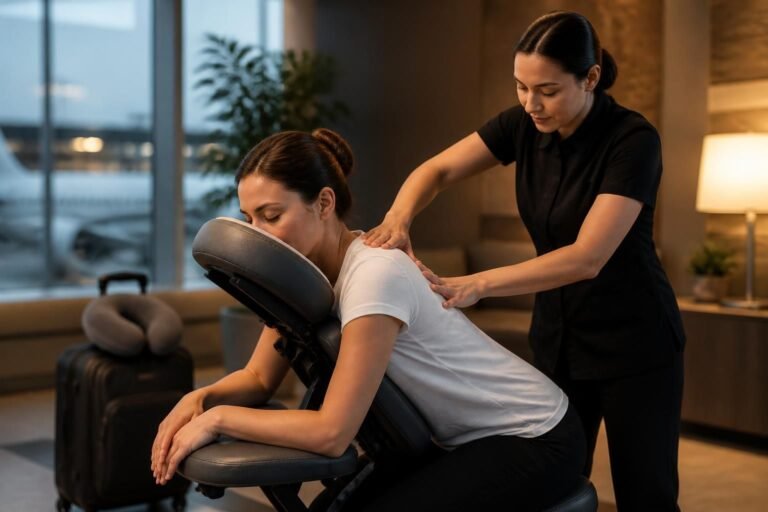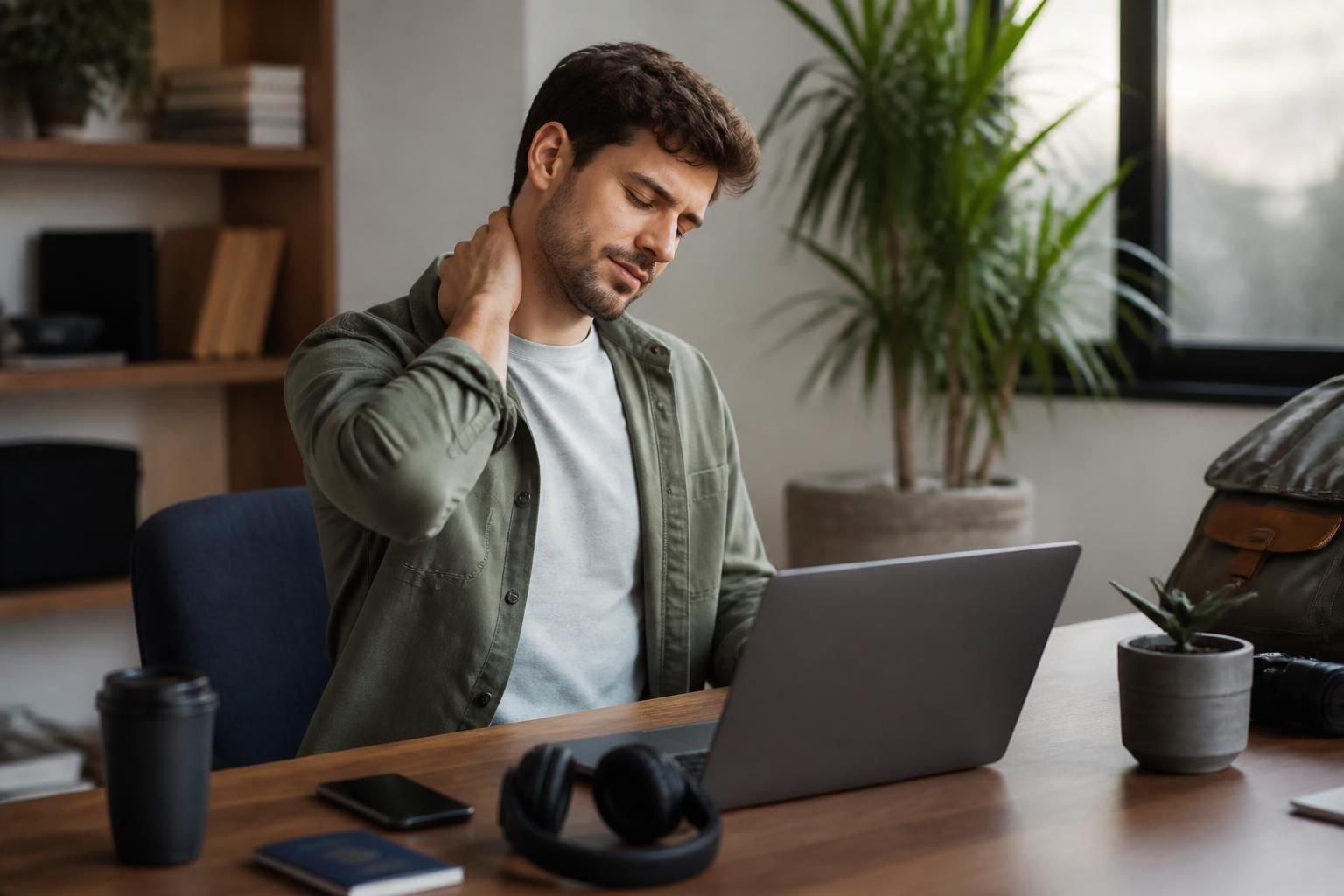

Neck tension has become a common woe for many, especially for digital nomads whose lifestyles often tether them to their screens and laptops for long periods. The persistent discomfort is more than just a nuisance—it can hamper productivity, cloud concentration, and dampen overall well-being. Tackling neck pain requires more than passive remedies; it calls for proactive, effective techniques that integrate the expertise of therapeutic massage with smart self-care habits. Whether you are hustling in a bustling cafe in Tulum or working from a serene beachfront villa in Playa del Carmen, the right knowledge about neck tension relief can dramatically enhance your travel wellness and daily comfort.
As modern digital nomads seek balance in work and health, innovative approaches to muscle relaxation and ergonomics have emerged, promoting not just momentary relief but long-term resilience against the strains of screen-heavy routines. Expert massage therapists in the Riviera Maya leverage specific techniques that unlock the intricate interplay of muscles and fascia in the neck, releasing tension points that accumulate through hours of static posture. These professional insights translate into practical tips anyone can apply, whether through a quick self-massage or a tailored professional session. In this dynamic landscape of remote work, embracing these strategies is essential to maintaining peak performance and alleviating stress in the fast-paced 2026 digital nomad lifestyle.
From understanding the anatomical roots of neck tension to mastering the best massage techniques and integrating supportive tools into your self-care regimen, this comprehensive guide delivers effective relief tips for digital nomads. These methods not only release physical discomfort but also foster mental clarity, making every day smoother and more enjoyable. Dive into this exploration to rediscover freedom from neck pain and embrace a more balanced, pain-free life on the road.
Key points to remember:
- Neck tension for digital nomads is often caused by prolonged screen time and poor posture, demanding tailored massage and ergonomic strategies.
- Therapeutic massage expertly targets deep muscle knots and fascia restrictions, providing both immediate pain relief and long-term benefits.
- Self-care routines including gentle neck stretches and hydration, amplify the effects of massage for sustained muscle relaxation.
- Integrating ergonomics into your workspace and travel setups prevents future neck strain and supports spinal health.
- Utilizing specialized tools and professional sessions enhances stress relief and complements daily habits for optimal neck health.
Understanding Neck Tension: The Hidden Challenges Faced by Digital Nomads
Digital nomads embody a lifestyle of freedom and flexibility, yet they often grapple with the consequences of their rigorous work habits. Neck tension is a pervasive concern, intricately linked to the demands of constant mobility paired with extended hours hunched over devices. Unlike a straightforward injury, neck pain in this community results from accumulated stresses in muscle fibers and connective tissues, aggravated by repetitive postural strains. Grasping how these factors intertwine is crucial to adopting effective relief strategies.
The anatomy of the neck is a marvel of complexity. It hosts a delicate balance among vertebrae, nerves, muscles, and connective tissues, all cooperating to support the head’s weight and facilitate movement. Key muscles such as the sternocleidomastoid (SCM), levator scapulae, and scalenes often bear the brunt of sustained poor posture and screen-induced ‘tech neck.’ For digital nomads, who routinely pivot from co-working spaces to cafes and airplanes, these muscles can become chronically tight or develop painful trigger points.
One compelling reason neck pain feels so persistent is the phenomenon of forward head posture, a common byproduct of tech-centric lifestyles. When the head shifts forward, muscles at the back of the neck must exert additional effort to maintain balance, effectively increasing the perceived weight several times over. Consider a head forward by just two inches: this seemingly minor displacement amplifies the strain on cervical muscles dramatically, eliciting chronic fatigue and discomfort.
Examples abound from everyday life—an intrepid traveler working late into the night on a laptop at an airport lounge, or someone attending back-to-back virtual meetings with minimal breaks. These scenarios generate continuous micro-traumas within the muscle tissues. Over time, muscle fibers constrict, circulation decreases, and inflammation may develop, further intensifying the sensation of neck pain. Without intervention, these stressors can culminate in headaches, restricted range of motion, and diminished work efficiency, profoundly impacting a nomad’s quality of life.
Beyond physical factors, mental stress also accentuates neck tension. The nervous system responds to psychological pressures by tightening muscles, creating a feedback loop where stress exacerbates pain, and pain fuels further anxiety. Skilled massage therapy offers more than muscle relaxation; it serves as a vital tool in calming this nervous system response, promoting holistic regeneration for both body and mind—a necessity for those balancing the demands of travel and work.
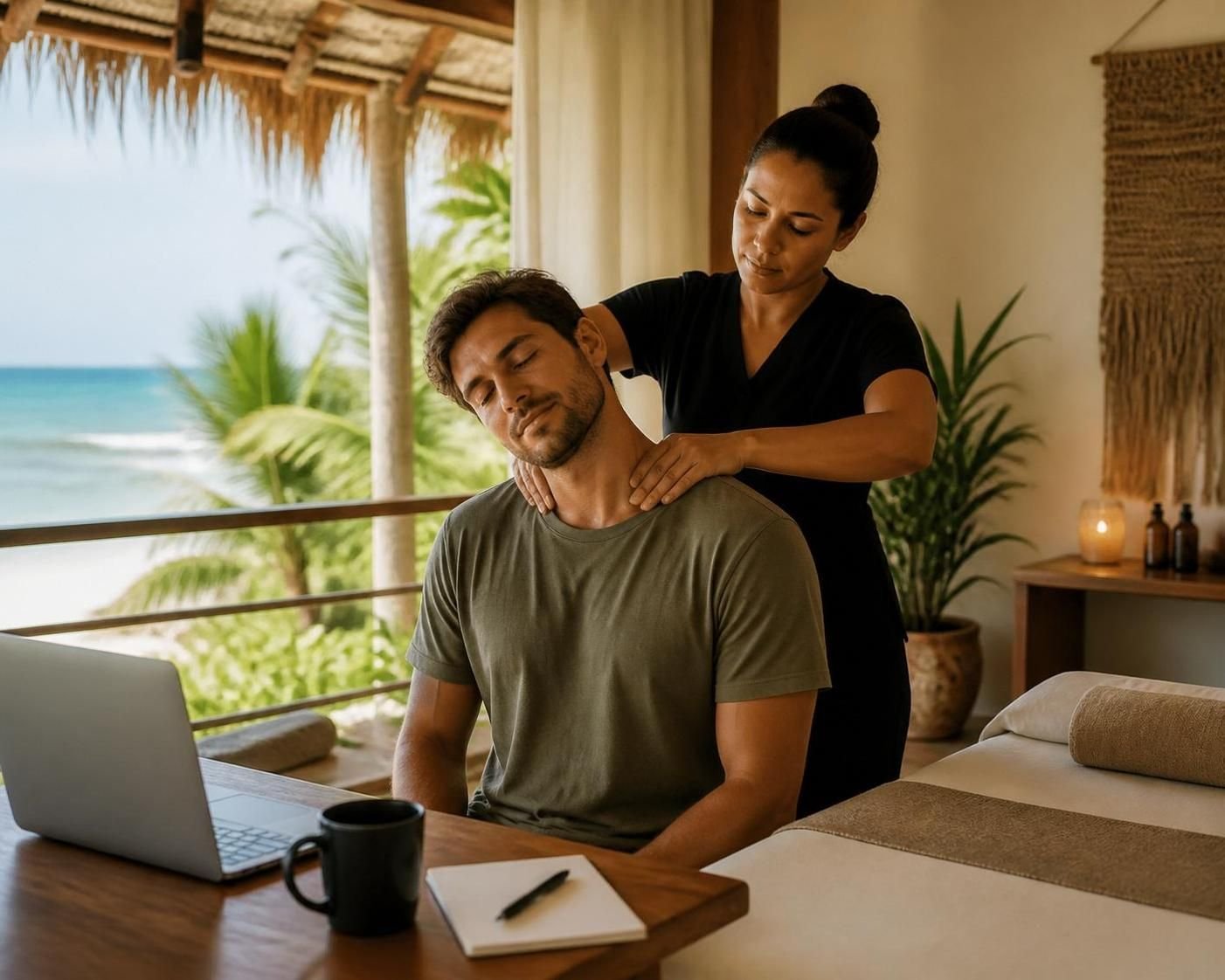
Mastering Therapeutic Massage Techniques to Alleviate Neck Pain
To effectively combat neck tension, mastering fundamental massage techniques is essential. Professional therapists in the Riviera Maya utilize specific maneuvers designed to address different muscle layers and pain triggers. Understanding these approaches empowers digital nomads with the ability to select suitable treatments and enhance their communication during sessions, optimizing outcomes for stress relief and muscle relaxation.
Effleurage: Initiating Relaxation Through Gentle Gliding Strokes
Effleurage is often the first step in a therapeutic neck massage. This method involves long, smooth strokes performed with the palms, gently warming tissue and encouraging blood flow. For a digital nomad grappling with the effects of prolonged screen exposure, this technique serves as a calming introduction that prepares deeper muscle layers for subsequent work.
Petrissage: Deep Muscle Kneading to Release Knots
Following effleurage, therapists engage in petrissage—a technique akin to kneading dough. By lifting and squeezing muscle groups, this approach dissolves small knots and flushes metabolic waste from the tissues. For travelers who carry tension across their trapezius and levator scapulae muscles, petrissage provides critical relief, enhancing flexibility and diminishing discomfort.
Trigger Point Therapy: Targeting Painful Knots with Precision
Identifying and treating trigger points is crucial for those enduring stubborn neck pain. This therapy involves applying focused, sustained pressure on localized knots until muscles release. While momentarily intense, the resulting relief can be transformative, alleviating both localized pain and referred discomfort such as headaches prevalent among remote workers.
Myofascial Release: Loosening Fascia for Comprehensive Comfort
Myofascial release targets the connective tissue that envelops muscles, often restricted by chronic stress or injury. Gentle, sustained pressure and stretching ‘unstick’ these layers, allowing muscles underneath to move freely and decreasing pain that superficial massage alone might not address. This technique is particularly useful for digital nomads who often experience sustained tension throughout the upper body due to irregular movement patterns.
Deep Tissue Methods: Tackling Chronic Neck Tension
Unlike generalized massage with light pressure, deep tissue massage uses slow and deliberate strokes to access the deepest muscle layers and connective tissues. Ideal for chronic neck tension and mobility issues, this approach breaks down adhesions and promotes long-lasting relief. Many nomads find that incorporating sessions focused on deep tissue methods significantly improves their range of motion and reduces muscle stiffness accumulated during travel.
By familiarizing themselves with these techniques, digital nomads can better appreciate professional sessions and even apply modified versions at home or in travel-friendly environments. For a deeper dive into therapeutic modalities, exploring resources such as this comprehensive guide to deep tissue massage for travelers reveals the nuances that maximize muscle healing and relaxation.
Ergonomic Strategies and Self-Care to Prevent and Alleviate Neck Tension
Massage provides invaluable relief, yet equally important are ergonomic adjustments and daily self-care habits that sustain neck health for digital nomads. Implementing structured practices to manage posture and encourage muscle relaxation complements massage therapy and helps prevent the recurrence of neck pain.
Optimizing Your Workspace for Neck Health
Whether working from a co-working space or a beachside bungalow, ergonomics significantly reduces neck tension. Positioning monitors at eye level prevents forward head posture, while adjustable chairs that support spinal curves ensure balanced muscle engagement. Taking short, frequent breaks to stand and stretch interrupts static positions that strain the neck and shoulders.
Daily Neck and Shoulder Stretches
Simple but effective stretches target muscles frequently taxed by digital work:
- Side Neck Stretch: Gently tilt your head towards one shoulder, holding for 15–20 seconds to stretch the levator scapulae and upper trapezius.
- Chin Tucks: Tuck your chin slightly towards your neck to strengthen deep neck flexors and correct forward head posture.
- Shoulder Rolls: Rotate shoulders backward and forward to release tension in the trapezius and surrounding muscles.
- Chest Opener (Doorway Stretch): Using a doorway, stretch the chest muscles to reduce rounding of shoulders and relieve neck strain.
Hydration and Mindful Movement
Keeping well-hydrated supports muscle elasticity and joint lubrication, aiding recovery. Mindful, intentional movement interrupts habitual postures, helping muscles reset into balanced positions. This approach encourages ongoing muscle relaxation beyond massage sessions.
Incorporating at-Home Tools and Massage Accessories
Digital nomads can extend relief efforts through tools such as foam rollers, massage balls, and portable neck massagers. Techniques like placing a tennis ball inside a sock to apply pressure along the neck and upper back foster self-managed tension relief. When selecting oils or lotions, those infused with calming botanicals like lavender or enhancements such as CBD can elevate relaxation during self-massage.
These self-care practices align well with professional guidance and exemplify a proactive stance toward travel wellness. For digital nomads eager for convenience, embracing mobile massage experiences adds a layer of luxury and efficacy, as described in this insightful overview of mobile massage services in the Riviera Maya.
Travel Wellness: Integrating Massage and Lifestyle for Long-Term Relief
Effective management of neck tension among digital nomads demands the fusion of therapeutic touch, smart travel practices, and a holistic lifestyle mindset. Integrating these elements creates a resilient framework to not only address pain but enhance overall well-being during frequent relocations.
Customized Massage Plans for Recurrent Travelers
Frequent travelers in the Riviera Maya region can benefit from tailored massage plans that prioritize their unique needs—focusing on common tension zones aggravated by travel, including the neck, shoulders, and upper back. Consistent sessions build on muscle health incrementally, fostering a sense of rejuvenation even amidst fluctuating schedules and environments.
Balancing Activity and Rest for Muscle Recovery
Incorporating periods of rest, alongside active recovery methods such as yoga or swimming, supports tissue repair and maintains flexibility. This balance is crucial for digital nomads who might otherwise face cumulative muscle fatigue and stiffness from constant movement and new workstations.
Adapting Sleep Environments for Neck Support
Restful sleep profoundly impacts neck health. Investing in travel-friendly neck pillows that maintain the neck’s natural curve, and adjusting sleeping positions can greatly reduce morning stiffness. Understanding how different surfaces and pillow heights affect muscle tension helps digital nomads optimize this vital recovery phase.
The Role of Stress Relief Beyond Physical Pain
Massage serves a dual purpose by addressing the psychological aspects of neck tension. The ritual of a calming massage reduces anxiety, lowers cortisol levels, and invokes a parasympathetic relaxation response. For digital nomads, balancing travel stress with therapeutic downtime is key to sustaining productivity and mental clarity.
| Aspect | Recommended Practice | Benefit |
|---|---|---|
| Posture Support | Ergonomic workstation setup | Reduces muscle strain and prevents tech neck |
| Muscle Maintenance | Regular therapeutic massage | Breaks knots and improves circulation |
| Daily Care | Stretching and hydration | Promotes muscle flexibility and recovery |
| Travel Comfort | Supportive travel pillows and rest routines | Maintains spinal alignment for quality sleep |
| Stress Management | Mindfulness and massage therapy | Enhances mental clarity and reduces tension |
Expert FAQs on Neck Tension and Massage Relief for Digital Nomads
How often should digital nomads get professional neck massages for chronic tension?
Consistency is key. Many find that sessions every 1 to 2 weeks initially provide significant relief. As muscle health improves, extending intervals to monthly sessions can maintain benefits while accommodating nomadic schedules.
Is neck massage painful, and how can I communicate pressure preferences effectively?
A good massage may cause therapeutic discomfort but should never be sharp or unbearable. Open communication with your therapist is essential. Express your preferences clearly, and don’t hesitate to ask for lighter or firmer pressure to ensure safe and effective treatment.
Can self-massage and ergonomic adjustments replace professional massage sessions?
While self-care and ergonomic improvements are vital for day-to-day management, they cannot fully substitute professional massage expertise. Licensed therapists offer tailored techniques and deeper muscle work that self-care tools cannot replicate.
How does massage help with headaches related to neck tension?
Massage targets trigger points within neck and shoulder muscles that often refer pain to the head, alleviating tension headaches. Regular therapy reduces muscle tightness, lowering the frequency and intensity of headaches experienced by many digital nomads.
What are the best massage techniques for tech neck?
Myofascial release, deep tissue massage, and trigger point therapy are highly effective. These techniques address fascia restrictions, muscle knots, and chronic tension caused by prolonged forward head posture typical in tech neck cases.
Massage for neck tension not only calms muscle pain but invigorates the spirit, equipping digital nomads with the relief and resilience needed to thrive in varied and demanding environments.